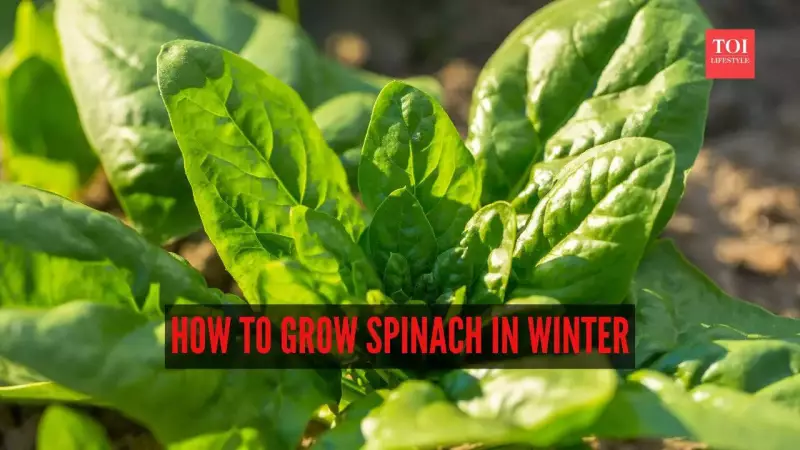
As the winter chill sets in, it's the perfect time to turn your attention to one of the healthiest and most rewarding cool-season crops: spinach, or palak. This leafy green not only thrives in cooler temperatures but also develops a sweeter, more robust flavour. With minimal care and the right techniques, you can enjoy a continuous harvest of fresh spinach from your garden, raised beds, or even containers throughout the winter months.
Ideal Conditions for Winter Spinach Cultivation
Spinach is a quintessential cool-season crop, preferring temperatures between 10-20°C. The key to a successful winter harvest is timing your planting correctly. Experts recommend sowing seeds 4 to 8 weeks before the first expected frost. This allows the young plants to establish themselves before facing the harshest cold. In regions with mild winters, spinach can be grown year-round. Interestingly, light frost is beneficial, as it enhances the natural sweetness of the leaves.
Step-by-Step Guide to Planting and Care
Choosing the right location is crucial. Select a spot that receives at least 4-6 hours of direct sunlight daily. Since winter sun is less intense, full exposure is necessary for healthy leaf production. If you're using pots, place them in a location shielded from strong winds to prevent damage, while ensuring good air circulation to avoid fungal diseases.

Soil preparation forms the foundation of a healthy crop. Spinach flourishes in loose, well-drained soil with a pH of 6.5 to 7.0. Before planting, enrich the soil by mixing in generous amounts of compost or well-rotted manure. This ensures fertility and good nutrient retention. Proper drainage is especially vital in winter to prevent root rot.
Sowing, Watering, and Winter Protection
For sowing, plant the seeds about ½ inch deep, spacing them 2-4 inches apart in rows that are 12-18 inches apart. Cover the seeds gently with soil and water them well. Germination typically takes 5 to 14 days, depending on soil temperature. Keep the soil consistently moist during this period.
Watering needs are specific: the soil should be kept damp but never waterlogged. Applying a layer of mulch using straw, leaf litter, or compost is a game-changer in winter. Mulch helps retain soil moisture, suppresses weeds, and, most importantly, moderates soil temperature, protecting the roots from sudden cold snaps.
While spinach is naturally hardy, providing extra protection ensures a more vigorous crop. Using row covers or garden fleece is an excellent way to shield plants from extreme cold and frost, while still allowing light penetration.
Ensuring a Continuous Harvest
Once seedlings reach 2-3 inches in height, it's time to thin them out. Maintain a final spacing of 4-6 inches between plants to allow for proper leaf development and air circulation. To guarantee a non-stop supply of fresh palak, practice succession planting. Simply sow a new batch of seeds every 2-3 weeks.
Your patience pays off in about 45 to 60 days when the leaves are ready for harvest. For the best flavour and texture, pick the leaves while they are young and about 4-6 inches long. Use the "cut and come again" method: harvest the outer, mature leaves and allow the inner, younger leaves to continue growing. This technique encourages the plant to produce more foliage, extending your harvest window.
In conclusion, growing spinach in winter is a straightforward and highly satisfying endeavour for any home gardener. By following these guidelines on timing, soil preparation, spacing, and protection, you can enjoy multiple harvests of this nutritious green, right from your backyard or balcony, all season long.