7 Iconic Indian Sweets Named After Their Birthplaces: A Culinary Journey
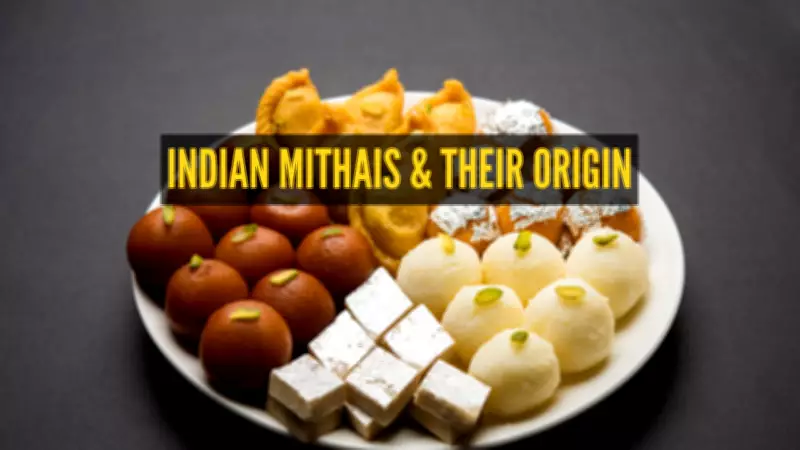
Indian sweets, or mithais, are deeply intertwined with festivals, celebrations, and cultural traditions across the country. However, beyond their delightful tastes, many of these treats carry fascinating histories tied directly to their places of origin. From the royal kitchens of Mysore to the temple towns of Tamil Nadu, these desserts are not just culinary delights but also pieces of regional heritage. Let's explore seven popular Indian mithais that are named after their birthplaces, each with unique characteristics that make them stand out.
Agra ka Petha (Uttar Pradesh)
One of the most renowned sweets from India, Agra ka Petha is synonymous with the historic city of Agra. This translucent sweet is crafted from ash gourd, which is meticulously simmered in sugar syrup to achieve its signature light and juicy texture. While modern variations have introduced flavors like pineapple and kesar, the classic version remains unbeatable for its mild sweetness and delicate consistency. It's a must-try for anyone visiting the region, often enjoyed as a souvenir or festive treat.
Dharwad Peda (Karnataka)
Hailing from the city of Dharwad in Karnataka, this iconic sweet is celebrated for its deep caramel color and distinct grainy texture. Made by slowly cooking milk solids with sugar and ghee, Dharwad Peda offers a rich, melt-in-the-mouth experience. Its preparation requires patience and skill, resulting in a dessert that is both flavorful and aromatic, often served during special occasions and religious ceremonies in the state.

Mysore Pak (Karnataka)
Originating from the royal kitchens of Mysore in present-day Karnataka, Mysore Pak is a beloved Indian sweet famous for its rich ghee aroma and melt-in-the-mouth texture. The recipe is deceptively simple, using just gram flour, sugar, and generous amounts of ghee. The secret lies in the slow cooking process and careful technique, which can yield either a porous, crumbly bite or a denser consistency. This sweet has become a symbol of Karnataka's culinary excellence, enjoyed nationwide.
Tirunelveli Halwa (Tamil Nadu)
Also known as Iruttu Kadai Halwa, this legendary sweet from Tamil Nadu is a masterpiece of traditional cooking. Loaded with ghee, it boasts a glossy finish and a uniquely chewy texture. According to legends, it originated in the temple town of Tirunelveli, where it is made from wheat milk extracted from soaked samba wheat. The mixture is slow-cooked for hours with sugar and ample ghee, a process that gives it a signature translucence and stretch, making it a festive favorite.
Mathura Peda (Uttar Pradesh)
In North India, Mathura Peda is a classic sweet native to the birthplace of Lord Krishna. Known for its rich khoya flavor and slightly grainy texture, it is traditionally made with khoya (reduced milk solids), sugar or boora (coarse sugar), and ghee. This sweet holds cultural significance, often associated with religious offerings and celebrations in Mathura and beyond, embodying the region's culinary traditions.
Bikaneri Ghewar (Rajasthan)
An iconic festive treat from Rajasthan, Bikaneri Ghewar is renowned for its honeycomb-textured disc shape. Popular during festivals like Teej and Raksha Bandhan, it is crafted by pouring a thin flour batter into hot ghee or oil, creating a porous, lace-like structure. Once fried, it is dunked in sugar syrup and often layered with rabri (sweetened condensed milk), nuts, and silver varq. This dessert showcases Rajasthan's expertise in creating visually stunning and delicious sweets.
Bal Mithai (Almora, Uttarakhand)
One of Uttarakhand's most iconic sweets, Bal Mithai is closely associated with the hill town of Almora and is often called the chocolate of the hills. Made with roasted khoya coated with tiny sugar balls, it offers a unique fudgy taste and texture. This sweet reflects the mountainous region's culinary creativity, providing a delightful treat that is both rustic and indulgent, perfect for cold weather or as a souvenir from the hills.

These seven mithais not only satisfy sweet cravings but also tell stories of their origins, highlighting India's diverse culinary landscape. Each sweet, from Agra ka Petha to Bal Mithai, represents a blend of local ingredients, traditional techniques, and cultural heritage, making them timeless favorites across generations.