As we step into 2026, a sparkling clean home is a universal resolution. However, true cleanliness goes beyond visible surfaces. A report highlights that many common household items, touched daily, become silent breeding grounds for bacteria, viruses, and grime, potentially leading to illnesses. Identifying and properly cleaning these overlooked objects is a crucial step towards a healthier living environment.
The Hidden Germ Hotspots in Your Home
Our daily routine involves touching numerous surfaces, but we often neglect to clean the very items we handle the most. These objects, due to frequent contact, moisture, or porous materials, can harbour dangerous pathogens like E. coli and Salmonella. The key to effective home hygiene is targeting these specific hotspots with the correct cleaning methods.
1. The Kitchen Sponge: A Germ Paradise
Kitchen sponges top the list as one of the dirtiest items in any household. Their constantly damp and porous structure creates an ideal environment for germs to multiply. To properly disinfect a sponge, you can microwave it while damp for one full minute. Alternatively, soaking it in boiling water or a solution of diluted bleach daily will kill the bacteria effectively.

2. Your Mobile Phone: A Portable Contaminant
Mobile phones are constantly in our hands and placed on various surfaces, collecting bacteria throughout the day. They can transfer germs that cause skin and stomach issues. Clean your phone regularly using a soft microfiber cloth lightly dampened with 70% isopropyl alcohol. Be careful to avoid getting excess moisture into the charging ports or speakers.
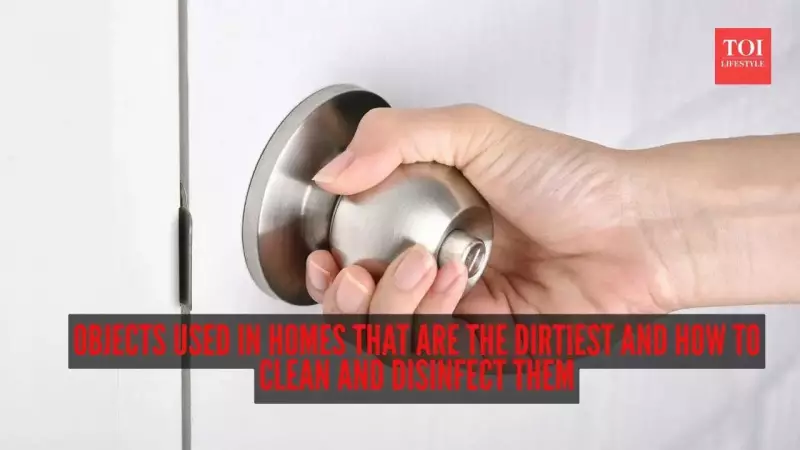
3. Door Handles and Knobs: High-Traffic Danger Zones
Touched countless times by different people, door handles are prime spots for germ transfer. Germs can survive on these metal or plastic surfaces for many hours. Make it a habit to wipe down all door handles and knobs daily using disinfectant wipes or a cloth dipped in a diluted bleach or alcohol-based solution. This is especially important during the cold and flu season.
Overlooked Items That Need Your Attention
4. Television Remote Controls
Remote controls are handled frequently, often while eating, but are rarely cleaned. They can harbour bacteria, food particles, and viruses. First, remove the batteries. Then, clean the entire surface using alcohol wipes or cotton swabs dipped in a disinfectant. Ensure you clean between the buttons thoroughly without letting liquid seep inside the device.
5. Bathroom Taps and Sink Handles
The bathroom faucet is used before and after washing hands, which can ironically spread bacteria. The constant moisture in the area further promotes microbial growth. Clean bathroom taps and sink handles daily using a disinfectant spray or a natural cleaner like vinegar to break down grime and kill germs.
6. Cutting Boards
Cutting boards, particularly wooden ones, develop tiny grooves from knife cuts where bacteria from raw meat and vegetables can hide. Wash them thoroughly with hot, soapy water immediately after use. For deeper cleaning, use a bleach solution or vinegar. Always allow them to air dry completely before storing to prevent moisture retention.
7. Light Switches
Light switches are touched incessantly but are almost never included in regular cleaning routines. Bacteria can live on plastic switch plates for several days. Clean them carefully with disinfectant wipes or an alcohol-based solution, ensuring no liquid enters the electrical fixture behind the plate.
8. Refrigerator Handles
Refrigerator handles are frequently touched with unclean hands during food preparation, making them highly contaminated. This constant handling can easily lead to cross-contamination of food items. Wipe down the refrigerator handle every day with disinfectant wipes or a mild bleach solution, especially after handling raw ingredients like meat or eggs.
A truly clean home requires vigilance beyond the obvious. By incorporating the regular cleaning and disinfection of these eight frequently used items into your routine, you can significantly reduce hidden germs and create a safer, healthier environment for you and your family in the new year.