From Staples to Spectacle: The Urban Reinvention of Survival Foods
What was once consumed purely out of necessity is now making a dramatic return as a form of curated curiosity in India's bustling urban centers. This significant shift narrates a compelling story of cultural transformation, where meals historically marked by deprivation are being reimagined and acquiring new value through an urban lens.
The Evolution of Survival Cuisine
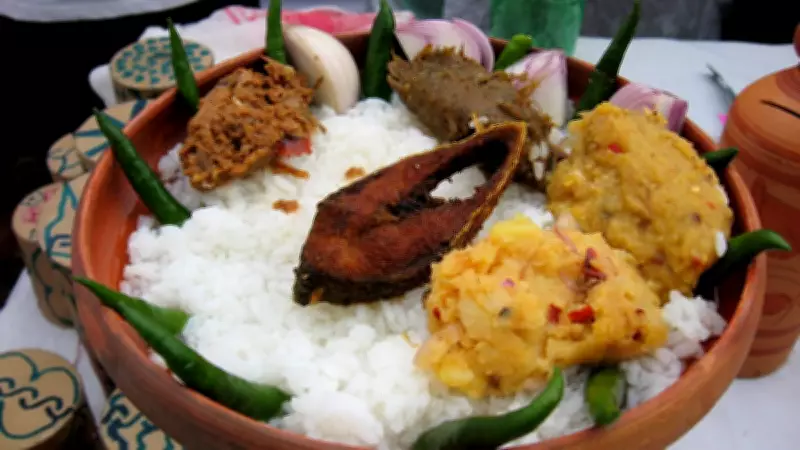
Traditional survival foods, which were staples during times of scarcity or for economically disadvantaged communities, are undergoing a remarkable urban makeover. Dishes that were once associated with basic sustenance are now being presented as exotic, artisanal, or nostalgic culinary experiences. This transformation is not merely about food; it is a reflection of changing social dynamics and urban aesthetics.
The journey from necessity to novelty highlights how urban consumers are seeking authenticity and connection to heritage, even as they reinterpret it through a contemporary framework. The urban gaze, with its emphasis on presentation, storytelling, and experience, is turning these humble foods into spectacles that command attention and premium pricing.

Cultural Transformation on the Plate
This shift tells a deeper story of cultural transformation in India. As urbanization accelerates, there is a growing fascination with rural and traditional lifestyles, albeit often romanticized. Survival foods become symbols of this curiosity, allowing urban dwellers to engage with a perceived simpler past while enjoying the comforts of modern life.
The meal once marked by deprivation now carries layers of meaning:
- Nostalgia: Evoking memories of childhood or ancestral roots.
- Authenticity: Offering a taste of "real" or "unadulterated" cuisine.
- Innovation: Chefs and food entrepreneurs creatively reinvent these dishes with gourmet twists.
- Social Statement: Consuming such foods can be seen as a nod to sustainability or ethical eating.
This cultural phenomenon is reshaping food trends, with restaurants, cafes, and food festivals increasingly featuring survival foods as centerpieces. The urban makeover involves meticulous curation—from sourcing ingredients to plating techniques—that elevates these items from mere sustenance to experiential dining.
Implications for Urban Society
The urban reinvention of survival foods raises important questions about appropriation, accessibility, and economic disparity. While these foods gain popularity among affluent urbanites, their original consumers may still rely on them out of necessity. This duality underscores the complex interplay between tradition and modernity in India's evolving food landscape.
Moreover, this trend is driving innovation in the food industry, with startups and established brands exploring ways to commercialize these once-overlooked staples. It also fosters a greater appreciation for regional cuisines and indigenous ingredients, contributing to biodiversity and culinary diversity.
In conclusion, the transformation of survival foods from staples to spectacle is a vivid illustration of how urban India is renegotiating its relationship with tradition. It is a story of cultural adaptation, where the past is not just preserved but reinvented to suit contemporary tastes and values, offering a fascinating glimpse into the dynamics of food and identity in a rapidly changing society.