Have you ever taken a bite of yesterday's perfectly good rice or a piece of cut fruit, only to find it carries a strange, stale, or 'cold' flavour? The food isn't spoiled, but it tastes unmistakably like your refrigerator. This common kitchen mystery often leads to unnecessary deep cleaning, but the real culprit lies in the science of air, moisture, and how our food interacts with its chilly environment.
The Invisible Culprit: How Air and Moisture Spread Smells
Your refrigerator is far from a static, sealed box. Cold air constantly circulates inside, acting as a carrier for odours. Strong-smelling items like cooked food, onions, cheese, or leftover curries release aromatic compounds that don't stay put. This circulating air ensures that any uncovered or loosely covered food slowly absorbs these surrounding smells.
Moisture plays a critical, often overlooked role. Refrigerators cool the air but do not dry it out completely. Steam from warm dishes, uncovered liquids, and even vegetables increases humidity. This humidity helps odour molecules travel more easily and adhere to food surfaces. Furthermore, as cold air dries out the exposed surface of food, moisture evaporates, creating a subtle pull that draws surrounding smells into the food itself.

Your storage containers can be silent accomplices. Plastic containers are porous and can absorb and retain odours even after washing. Glass, on the other hand, is non-porous and does not hold onto smells, making it a superior long-term choice for keeping flavours pure.
Practical Solutions: Neutralise, Don't Mask
The solution is not to cover up bad smells with perfumed sprays or aggressive chemical cleaners, which often create a worse, lingering cocktail of scents. The goal is a neutral-smelling fridge. Start by resetting the air inside your appliance. Once in a while, take everything out and leave the door open for a few minutes to let the stale, odour-laden air escape.
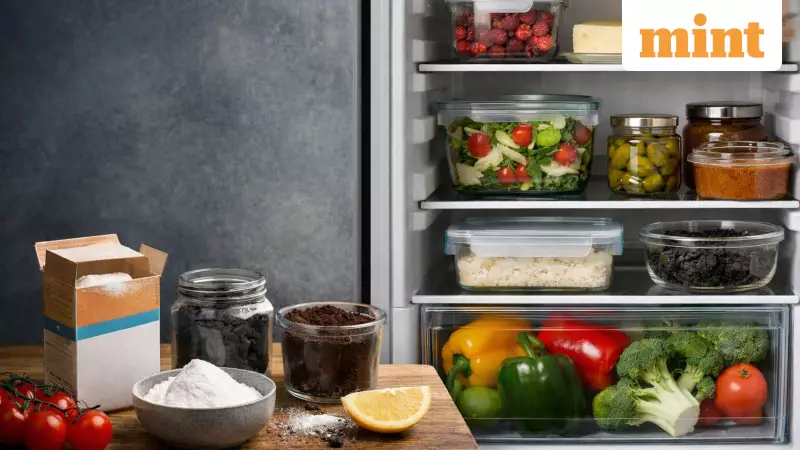
Effective odour absorbers work by neutralising smells, not masking them. Baking soda is a classic, effective choice for this reason. An open box can absorb a wide range of odours. Activated charcoal performs a similar function and can last longer. Even completely dry coffee grounds can help absorb unwanted smells.
Smart Habits for Lasting Freshness
Ultimately, prevention through smart storage habits is more powerful than any cleaning spree. Always use airtight containers and prefer glass over plastic when possible. Ensure lids are sealed properly—'almost closed' is not closed. Wrap cut fruits and vegetables tightly, and always seal strong-smelling foods, even if they are inside a container.
One simple habit makes a significant difference: always allow hot food to cool to room temperature before refrigerating. Placing a hot dish inside creates steam, which increases humidity and accelerates the spread of odours. For cleaning, a solution of warm water and a little vinegar is sufficient and won't leave a perfumed residue.
The mark of a well-managed refrigerator isn't a 'fresh' or 'clean' scent. It should smell like nothing at all. When your food starts tasting like the fridge, remember, the issue is typically exposure and air circulation, not spoilage. A few small changes in how you store and manage your fridge's environment can ensure your food always tastes the way it should.