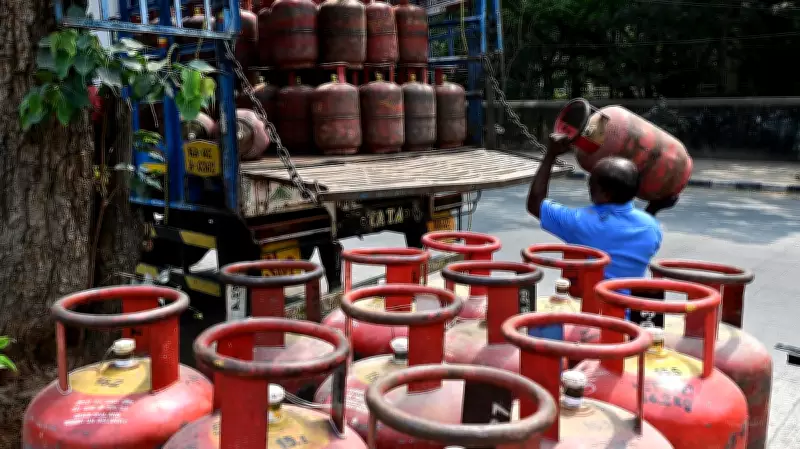
Bengaluru's Food Industry Confronts Escalating Gas Crisis
The bustling food scene in Bengaluru is facing a significant challenge as commercial LPG cylinder prices surge towards the Rs 5,000 mark, prompting widespread concern among restaurant owners and eatery operators. This sharp increase in fuel costs is compelling many establishments to reevaluate their pricing strategies, with a growing number considering passing the additional expenses onto consumers through higher menu prices.
Rising Costs Threaten Profit Margins
In recent weeks, the price of commercial LPG cylinders in Bengaluru has climbed dramatically, nearing Rs 5,000 per cylinder. This escalation is placing immense pressure on the city's food and beverage sector, which relies heavily on gas for cooking operations. Restaurant owners report that the soaring costs are eroding their already thin profit margins, making it increasingly difficult to sustain business without adjustments.
Many eateries are now contemplating implementing a 'gas surcharge' or directly increasing the prices of dishes to cope with the financial strain. This move, while potentially unpopular with customers, is seen as a necessary step to maintain viability in a competitive market. The situation highlights the broader economic pressures affecting small and medium enterprises in urban centers.

Impact on Local Businesses and Consumers
The gas price hike is not limited to high-end restaurants; it affects a wide range of food establishments, from street vendors to mid-range cafes and fine-dining venues. As operators grapple with these rising operational costs, consumers may soon notice changes in their dining experiences. Increased menu prices could lead to reduced foot traffic or altered spending habits, potentially impacting the overall vibrancy of Bengaluru's culinary landscape.
Industry experts suggest that this crisis underscores the need for more stable energy policies and support mechanisms for the hospitality sector. Without intervention, the cumulative effect of such price surges could have long-term repercussions on employment and economic activity within the city's food industry.
Looking Ahead: Strategies and Solutions
In response to the gas crisis, some Bengaluru eateries are exploring alternative measures to mitigate costs. These include:
- Optimizing kitchen efficiency to reduce gas consumption.
- Negotiating bulk purchase agreements with suppliers.
- Diversifying menus to include less gas-intensive dishes.
However, these strategies may offer only temporary relief. The broader issue of fluctuating fuel prices requires attention from policymakers to ensure the sustainability of the food service sector. As Bengaluru continues to grow as a major metropolitan hub, addressing such economic challenges will be crucial for supporting local businesses and preserving the city's diverse food culture.