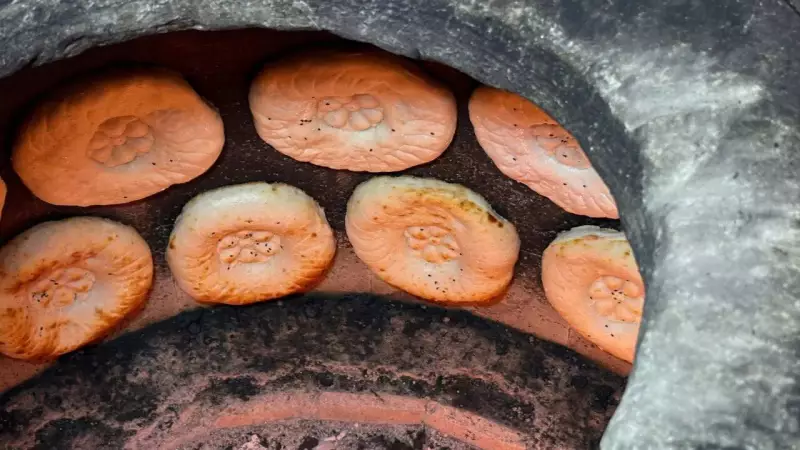
The iconic, smoky aroma and charred, spiced crust of tandoori cuisine have long been synonymous with the traditional clay tandoor oven. However, for modern urban dwellers, especially those living in apartments, the classic tandoor presents significant challenges. It relies on charcoal or wood, fuels that generate substantial smoke, carbon monoxide, and harmful particulate matter, contributing to air pollution and posing health risks in residential areas. Beyond pollution, the tandoor is often impractical due to space constraints, high maintenance, and infrequent use.
Four Practical Kitchen Methods to Mimic a Tandoor's Heat
Food science and modern kitchen technology reveal that the essence of tandoori cooking lies not in the equipment itself, but in achieving high, dry heat. Fortunately, several common appliances can replicate this environment effectively, using cleaner electricity or gas instead of solid fuels. Here are four excellent alternatives:
Oven Grill or Broiler: This method provides intense radiant heat from above, ideal for direct charring. It works perfectly for dishes like chicken tikka, paneer tikka, fish fillets, seekh kebabs, and cauliflower florets.

Cast-Iron Grill Pans or Skillets: Known for their superior heat retention, these pans are excellent for creating a beautiful sear. Use them for prawns, boneless chicken pieces, mushrooms, sliced eggplant, peppers, and kebab patties.
Convection Oven: The circulating hot air in a convection oven ensures even cooking and browning. It is well-suited for larger items like whole chicken legs, tandoori aloo (potatoes), stuffed mushrooms, vegetable platters, and thick fish cutlets.
Air Fryer: This appliance heats and focuses air in an enclosed space, efficiently producing crispy exteriors. It is recommended for smaller portions such as chicken wings, paneer cutlets, tofu, broccoli, baby corn, and soy kebabs.
Unlocking the Authentic Tandoori Flavour and Aroma
The sensory appeal of tandoori food—its flavour, texture, and smell—stems from specific chemical reactions at high temperatures and the interplay of spices, fats, and proteins. These can be achieved through clever cooking techniques rather than a specific oven.
Yoghurt Marinade: The lactic acid in yoghurt tenderises protein, helping spices adhere deeply to meat, paneer, or vegetables.
Oil-Spice Blends: Fat helps release the fat-soluble flavour compounds in spices like paprika, cumin, and coriander during the cooking process.
High Heat for the Maillard Reaction: This crucial reaction between amino acids and sugars creates the complex, charred flavours and browned surfaces characteristic of tandoori food.
Smoked Spices & Techniques: Using ingredients like smoked paprika or chilli powder can impart a wood-smoked aroma. For a more direct approach, you can briefly expose cooked food to smoke from heated spices without filling your kitchen with smoke.
Essential Tips for Perfect Home-Style Tandoori Cooking
Successfully incorporating tandoori dishes into your home cooking routine hinges on technique and a few key considerations for your domestic appliances.
Adequate Pre-heating: Always ensure your oven, grill, or pan is at maximum temperature before adding food. This prevents steaming and ensures immediate searing.
Allow Space for Airflow: Do not overcrowd the cooking surface. Space between items allows moisture to evaporate and promotes even browning.
Master Portion Control: Slice ingredients to a uniform thickness suitable for your chosen cooking method to avoid undercooked centres or burnt edges.
Rotate for Even Cooking: Turn or rotate food halfway through cooking to compensate for any irregular heat distribution in grills or ovens.
Monitor Marinades Closely: Yoghurt and spice mixtures can darken very quickly under high heat. Keep a close eye to prevent burning.
Ensure Proper Ventilation: Use your kitchen extractor fan or open a window to manage any smoke or aromas from high-temperature cooking.

By combining these methods and tips, you can enjoy the vibrant flavours of tandoori cuisine at home without the traditional oven's drawbacks—pollution, space requirements, and upkeep. This approach aligns with contemporary, sustainable living while satisfying culinary traditions.
Disclaimer: This article is intended for general informational purposes only. Cooking methods and results may vary depending on individual appliances, ingredients and conditions. Readers are advised to follow standard kitchen safety practices and use their own judgment when preparing food at home.