

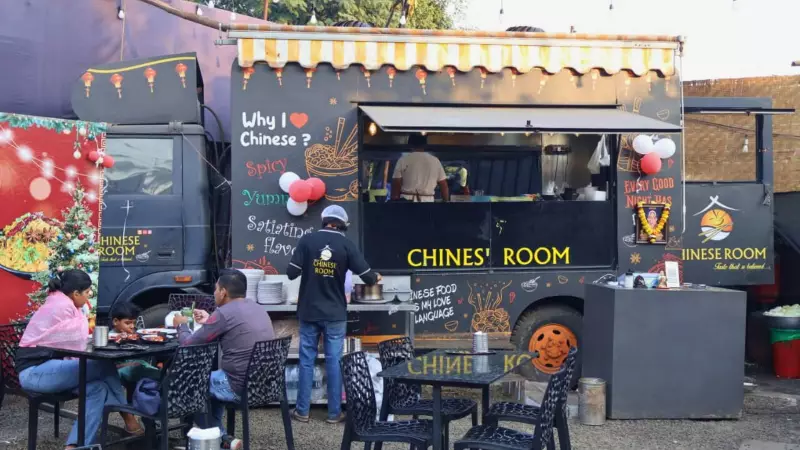
As 2025 draws to a close, Pune's vibrant food culture is poised for a significant evolution in the coming year. A clear trend is emerging: mobile food outlets, particularly food trucks, are rapidly claiming space from traditional cafes and casual eateries, while a parallel demand for health-conscious dining is reshaping menus across the city. The defining factor for success in 2026, however, is expected to be affordability.
The Rise of the Food Truck Economy
Gone are the days when food trucks were a rare novelty. On weekday evenings in bustling areas like Paud Road, Baner, and Viman Nagar, they have become a staple part of the daily food routine. From college students grabbing a bite after class to office-goers picking up dinner, these mobile kitchens are now a regular fixture.
This expansion is most visible in trucks serving American-style comfort food like burgers and wraps. For young entrepreneurs, these vehicles represent the most practical entry into the competitive food sector. Vivek Vanarse (22), a media student, and Sairaj Patil (22), a web developer, are preparing to launch their own truck. They highlight the financial barriers of traditional restaurants. "Restaurants are financially out of reach, and cafés come with heavy investments and uncertainty," they explain. The mobility of a food truck offers a sustainable advantage, allowing them to adapt to different crowds and locations.

Customers are enthusiastically driving this shift. Shravnee Date, a 20-year-old student, prefers food trucks for their specialized menus and unique identity. "Each truck has its own speciality. Many bring in new cuisines, and the people running them are fellow food lovers, which makes the experience better," she says.
Beyond Late-Night Bites: A Cultural Shift
The appeal of food trucks is broadening beyond the typical late-night youth crowd. Vendors are now directly competing with established restaurants. Ketan Phatak, who runs a Chinese food truck on DP Road—a stretch known for its hotels—made a deliberate choice to set up there. "DP Road already has many well-known hotels. I wanted to bring something different," he states. His customer base now includes families and friend groups, challenging old stereotypes.
Operators point to a broader cultural change fuelling this trend. Increased exposure to global food cultures, a heightened demand for hygiene, and a preference for informal dining experiences have altered consumer expectations. Food trucks successfully bridge the gap between the accessibility of street food and the presentation standards of a café, all while keeping costs relatively lower.
The Wellness Wave: Salads, Smoothies, and Mindful Eating
Parallel to the food truck boom is a surging demand for nutritious and wholesome meals. Punekars are increasingly seeking food that is both healthy and flavourful. Cafés and eateries are responding with offerings like wholesome salads, smoothie bowls, and millet-based meals. Plant-forward plates are thriving, catering to office workers, students, and fitness enthusiasts.
"People are more aware of what they put on their plate now. I'd rather spend Rs 350–Rs 450 on a filling salad bowl that leaves me energetic than grab a heavy meal on the go," says Meera Joshi, a BBA student. This shift is not just about counting calories; it's tied to wider trends of mindful eating, sustainability, and a preference for locally sourced ingredients. Across Pune, highly processed snacks and sugary drinks are being swapped for whole-food options and artisanal beverages.
Regulatory Hurdles and the Affordability Challenge
Despite the optimistic growth, significant challenges loom. The regulatory framework has not kept pace with the expansion of mobile food vending. Licensing processes remain complex and inconsistently enforced, creating a grey zone for many operators. Snehal Shemte, owner and chef of Delight Street Café near FC Road, notes, "Getting licences is difficult, and uneven enforcement affects even those trying to comply."

Furthermore, rising operational costs—from rents to kitchen inputs—threaten to push dish prices upward in 2026, especially in premium outlets. A restaurateur in Pimple Saudagar highlights that excise duties and licensing fees are already squeezing profit margins, forcing chefs to walk a fine line between maintaining quality and ensuring affordability. As the city's food scene diversifies, navigating these economic and regulatory pressures will be the ultimate test for vendors aiming to capture the hearts and wallets of Pune's discerning food lovers.





