Odisha's Pakhala Bhaat: A Summer Staple and Cultural Icon
Rice, a fundamental staple across India, transforms in myriad ways from region to region, adapting to local tastes and climatic needs. Beyond its versatile culinary applications, even the water from cooked rice holds nutritional value, serving as a soothing, mucilaginous drink that supports gut health. When enhanced with black salt, it alleviates digestive issues like indigestion, flatulence, and mild acidity. Among these diverse preparations, one unique dish stands out for its summer appeal and health benefits: fermented rice, known in Odisha as Pakhala Bhaat. This article delves into the details of Pakhala and explores five similar fermented rice dishes enjoyed in other Indian states.
What is Pakhala Bhaat?
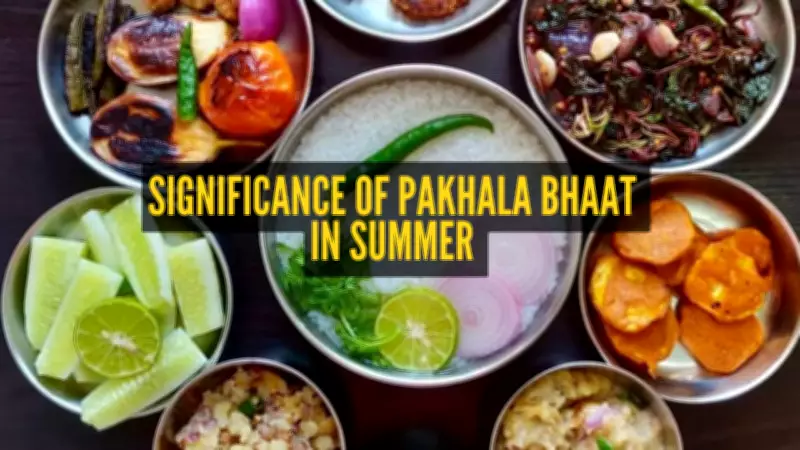
Pakhala Bhaat is a traditional Odia dish made by soaking cooked rice in water and allowing it to ferment overnight. This process yields a mildly tangy, probiotic-rich meal renowned for its cooling properties, making it ideal for combating the intense summer heat. Typically served with accompaniments such as fried vegetables, mashed potatoes (aloo bharta), green chillies, pickles, or fried fish, Pakhala is not only easy to prepare but also promotes digestion, enhances gut health, and helps maintain hydration levels during hot weather.
The Cultural and Nutritional Importance of Pakhala
Pakhala holds such a cherished place in Odia culture that it is celebrated annually on Pakhala Dibasa, highlighting its deep-rooted significance. In a recent milestone, the Odisha government, under Chief Minister Mohan Charan Majhi, actively promoted Pakhala Bhaat by setting a Guinness World Record on March 20, 2026. The event at Panthanivas in Bhubaneswar featured the largest serving of Pakhala, preparing an impressive 1,174 kilograms of the dish. This massive preparation was distributed to over 2,000 individuals from underprivileged communities, accompanied by a showcase of approximately 326 varieties of Odia dishes, underscoring the state's commitment to boosting its global culinary profile.

Similar Fermented Rice Dishes Across Indian States
While Pakhala is Odisha's signature fermented rice dish, other Indian states with extreme summer climates have developed their own versions to help beat the heat. Here are five notable examples:

- Panta Bhat, West Bengal: Often considered a cousin to Odisha's Pakhala, Panta Bhat involves soaking rice overnight and serving it with mustard oil, onions, green chillies, and sometimes fried fish or mashed vegetables. It holds cultural significance, traditionally enjoyed on Poila Boishakh, the Bengali New Year.
- Poita Bhat, Assam: A staple during Assam's summer afternoons, Poita Bhat is made by fermenting leftover rice in water overnight. Rich in probiotics, it is typically served with onions, green chillies, mustard oil, salt, and mashed potatoes (aloo pitika). In traditional settings, it may also be paired with fermented fish, fried fish, or local chutneys.
- Pazhaya Sadam, Tamil Nadu: This traditional breakfast or lunch dish features overnight-soaked fermented rice mixed with curd or buttermilk. It is commonly served with raw shallots, green chillies, salt, and accompaniments like pickle or chutney. Many households enhance it with sides such as fried vegetables or mor milagai (sun-dried curd chillies).
- Chaddannam, Andhra Pradesh: A classic fermented rice preparation, Chaddannam uses leftover cooked rice soaked in water overnight and combined with buttermilk or curd. It is served with raw onions, green chillies, and a pinch of salt, often paired with spicy pickles, chutneys, or traditional sides like avakaya (mango pickle) for added flavor.
- Ganji Annam, Telangana: This humble dish from Telangana features cooked rice served with ganji, the nutrient-rich starch water from rice. Enjoyed plain or mixed with buttermilk, it is particularly refreshing in hot weather. Common pairings include raw onions, green chillies, pickles, or simple chutneys, with rural variations often incorporating mashed vegetables for extra taste.
These fermented rice dishes not only offer a delicious way to stay cool during summer but also provide significant health benefits through their probiotic content and hydrating properties. Their enduring popularity across India reflects the rich culinary diversity and adaptive traditions of the subcontinent.