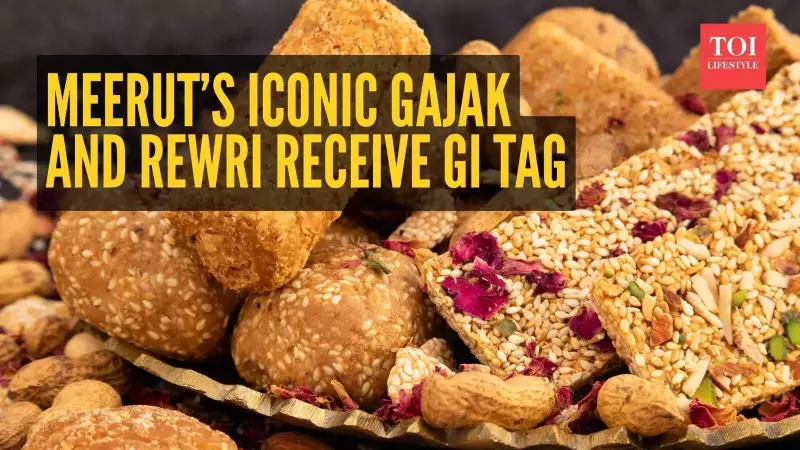
The winter air in Meerut carries a distinct, sweet aroma, one that has defined the city's cold season for generations. This signature scent comes from Gajak and Rewri, the crunchy, sesame and jaggery-based confections that are a beloved part of the local culture. In a landmark moment for this culinary heritage, Meerut's Gajak and Rewri have been officially awarded the Geographical Indication (GI) Tag. This recognition formally declares that these iconic sweets belong uniquely to Meerut, safeguarding their identity on the global stage.
A Sweet Milestone for Local Economy and Identity
For the local producers and artisans, this is far more than just a certificate. It is a validation of their craft and a potential economic game-changer. Varun Gupta, President of the Meerut Rewri Gajak Vyapari Welfare Association, highlighted the scale of this tradition, noting that the livelihoods of over 10,000 people are directly tied to this seasonal industry. The GI tag acts as a shield against imitation, ensuring that only sweets made in Meerut can carry this prestigious label.
The business, which operates from Navratri until early February, is substantial. Reports estimate the seasonal trade to be worth between Rs 50 to Rs 60 crore, involving around 35 firms in the city. Sameer Thapar, General Secretary of the association and owner of Bengal Sweet House, pointed out a significant digital advantage. Now, anyone across the world searching for 'Gajak' or 'Rewri' online will immediately associate these treats with Meerut, giving the city a powerful global identity in the digital marketplace.

The Accidental Invention That Became a 121-Year Legacy
The story of Meerut Rewri is as delightful as its taste, born from a happy kitchen accident. As per historical accounts, the tale dates back to 1904 at Lala Ramchandra's shop in Gudri Bazar. An artisan, while preparing Chikki, accidentally spilled hot, liquid jaggery into a container of white sesame seeds. While Lala Ramchandra was initially upset, he instructed the worker to try and create something from the mixture.
After several hours of experimentation, a new sweet was born. This innovation quickly gained popularity. By 1915, it had evolved into the Rewri known today, even earning admiration from British officers stationed in the area. Today, shops continue to sell these sweets under the Ramchandra name, keeping a 121-year-old legacy alive and thriving.
Why This GI Tag Matters for India's Culinary Heritage
A Geographical Indication Tag is a legal certification that a product possesses unique qualities and reputation derived strictly from its geographical origin. It is a tool that protects traditional knowledge, supports rural economies, and helps authentic products stand out in a crowded market.
For Meerut's Gajak and Rewri, the GI tag transforms them from local winter specialties to officially recognized ambassadors of Indian culinary heritage. It promises to boost trade, open doors to international buyers, and ensure that the traditional methods and unique taste that originated in Meerut over a century ago are preserved and celebrated for generations to come.