Ladakh Shuts Down Again as Agitation Continues Despite Sonam Wangchuk's Release
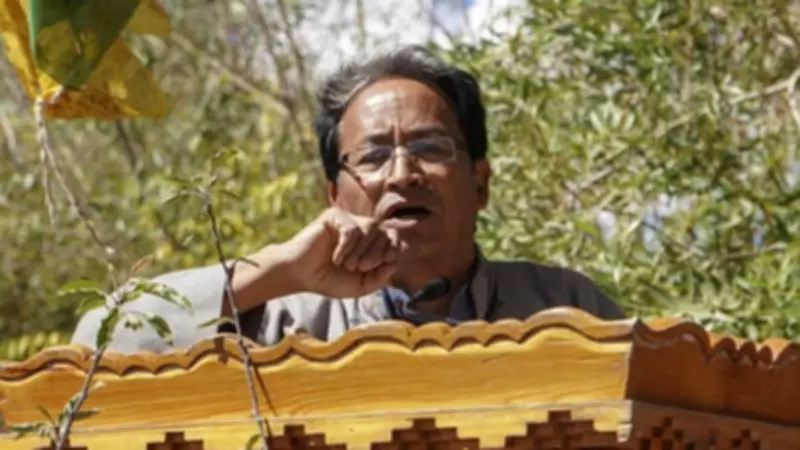
In a significant development, Ladakh has witnessed another widespread shutdown as agitation persists across the region, even after the recent release of prominent activist Sonam Wangchuk. While his release was welcomed by various Ladakhi groups, leaders have made it clear that this action does not address the underlying political issues fueling the protests.
Underlying Political Issues Remain Unresolved
Despite the positive step of Wangchuk's release, Ladakhi leaders have emphasized that the core political demands remain unmet. The agitation, which has seen protests in key areas like Leh and Kargil, continues to highlight calls for greater autonomy, statehood, or other political concessions. This ongoing unrest underscores the deep-seated grievances that have been simmering in the region for years.
Local groups have expressed that while Wangchuk's freedom is a relief, it is merely a temporary reprieve. They argue that without substantive political reforms, the agitation is likely to persist, affecting daily life and economic activities in Ladakh.
Impact on Daily Life and Regional Unity
The shutdown has led to disruptions in transportation, business operations, and public services across Ladakh. Schools, markets, and government offices have been affected, with residents expressing mixed feelings of hope and frustration. The unity among Ladakhi communities in Leh and Kargil has been notable, as they stand together in their demands for political recognition and rights.
Observers note that this agitation reflects broader trends in regional politics, where local identities and aspirations are increasingly vocal in seeking redress from central authorities. The situation in Ladakh is being closely monitored as it could have implications for similar movements in other parts of India.
Future Outlook and Potential Resolutions
As the agitation continues, there is growing pressure on policymakers to engage in dialogue with Ladakhi representatives. Experts suggest that a comprehensive political solution, rather than piecemeal measures, is essential to address the root causes of the unrest. The release of Sonam Wangchuk, while a step forward, is seen as insufficient without follow-up actions on governance and autonomy issues.
The ongoing protests in Ladakh serve as a reminder of the complex interplay between local demands and national policies. With the region's strategic importance and cultural significance, finding a balanced resolution remains a critical challenge for all stakeholders involved.