LPG Cylinder Shortage Hits Indian Kitchens Amid Global Tensions
The ongoing conflict in West Asia involving Iran, Israel, and the United States is now directly impacting Indian households and restaurants, causing significant disruptions in LPG supply chains. According to recent reports, cities including Mumbai, Bengaluru, and Kolkata are experiencing irregular cylinder deliveries, forcing both home cooks and commercial establishments to seek alternative cooking methods.
In response to the crisis, IRCTC has instructed operators of food plazas, refreshment rooms, and 'Jan Ahaars' to switch to microwave and induction cooking to maintain seamless catering services for railway passengers. This move highlights the severity of the situation that's affecting kitchens across the nation.
Five Daily Dishes Perfect for Pressure Cooking
During this LPG shortage, using a pressure cooker becomes not just convenient but essential for conserving gas. Here are five common Indian dishes that cook efficiently under pressure:

- Dal Tadka: This staple Indian lentil dish becomes remarkably energy-efficient when prepared in a pressure cooker. Whether using toor dal, moong dal, or masoor dal, the cooking time reduces dramatically compared to open-pot boiling. The pressure cooker method requires just a few whistles to achieve perfectly cooked lentils.
- Rice: Instead of traditional open-vessel cooking, pressure cooking rice can cut preparation time in half. For one cup of rice, add 1.5 cups of water and pressure cook on low-medium flame. The rice becomes ready in just 7-9 minutes after two whistles. Soaking rice for 30 minutes before cooking can further reduce both time and gas consumption.
- Rajma: Kidney beans typically require lengthy cooking, but a pressure cooker transforms this process. Pre-soaked rajma cooks to perfect tenderness in just 9-12 minutes with 3-4 whistles at medium flame, compared to the hour-long simmering needed with conventional methods.
- Kathal ki Sabzi: Jackfruit curry benefits tremendously from pressure cooking. While open-flame cooking might take 30-35 minutes, pressure cooking reduces this to 10-15 minutes maximum. This method not only saves gas but also results in softer, more tender kathal pieces.
- Lauki ki Sabzi: Bottle gourd curry, though commonly prepared in a kadhai, becomes 50% more efficient when cooked in a pressure cooker. The dish completes in just 10-12 minutes, significantly reducing LPG consumption compared to traditional methods.
Essential Hacks to Extend Your LPG Cylinder Life
Beyond pressure cooking, several practical techniques can help maximize your gas cylinder's duration during this shortage:
- Proper Flame Placement: Always ensure your cooking flame remains confined to the bottom of your vessel. Flames licking the sides indicate excessive heat that wastes LPG without contributing to cooking efficiency.
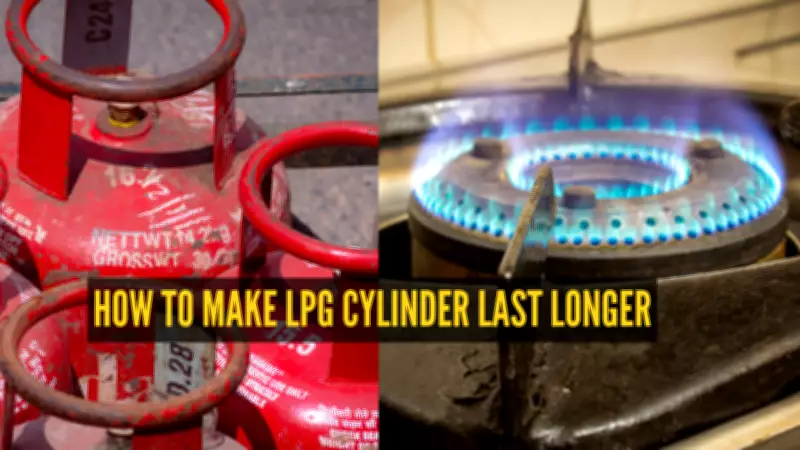
- Regular Burner Maintenance: A blue flame indicates optimal combustion, while red, orange, or yellow flames signal the need for cleaning. Clean your burner monthly using lukewarm water and baking soda for best results.
- Avoid Open Vessel Cooking: Cooking without lids significantly increases both cooking time and gas consumption. Covered cooking traps heat, builds steam, and reduces preparation time while maintaining dish moisture.
- Measure Ingredients Accurately: Precise measurement of water and liquids relative to solid ingredients prevents unnecessary evaporation time that wastes LPG. Proper ratios ensure efficient cooking from start to finish.
- Maintain Utensil Cleanliness: Clean utensil bottoms facilitate better heat transfer, making the cooking process more efficient and reducing LPG consumption with every use.
The pressure cooker emerges as the ultimate kitchen ally during this LPG crisis, offering reduced cooking times, lower gas consumption, and better nutrient preservation. As supply disruptions continue affecting Indian cities, adopting these cooking methods and conservation techniques becomes crucial for both household budgets and culinary continuity.