Sachin Tendulkar's 2012 Struggle: The Untold Story of Retirement Pressure
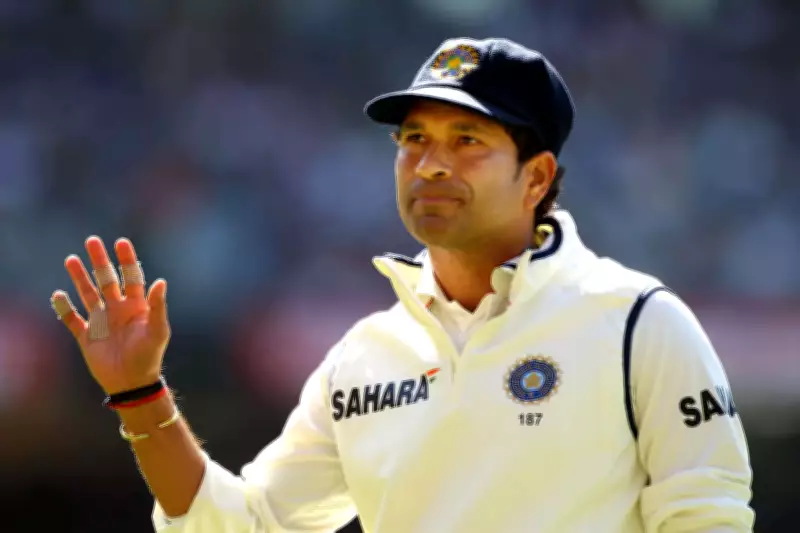
Widely regarded as the greatest batter in cricket history, Sachin Tendulkar dominated world cricket for over two decades with unparalleled consistency and skill. However, even for a legend of his monumental stature, the year 2012 emerged as one of the most challenging and difficult phases of his extraordinary career. This period followed closely after he achieved his lifelong dream of lifting the ICC Cricket World Cup trophy in 2011, creating a dramatic contrast between ultimate triumph and subsequent struggle.
The Downward Spiral After World Cup Glory
Just months after experiencing the pinnacle of cricketing success, Tendulkar suddenly found himself battling persistent poor form and mounting questions about his future in the sport. The situation intensified as India endured disastrous overseas tours in England and Australia, suffering back-to-back humiliating 4-0 series defeats in Test cricket. During these eight challenging Tests across both tours, Tendulkar managed to accumulate 560 runs with four half-centuries, but notably failed to reach the landmark hundred that the entire cricketing world was eagerly anticipating.
The pressure surrounding his elusive 100th international century grew heavier with each passing innings, creating an unprecedented psychological burden for the normally unflappable champion. When England visited India later that same year, conditions did not improve for the batting maestro. The hosts surprisingly lost the Test series on home soil, and Tendulkar's struggles reached new depths as he scored just 112 runs across four Tests at a dismal average of 18.6, raising fresh and serious concerns about his cricketing future.

The Last Pillar Standing
Compounding this difficult period was the retirement of several long-time teammates who had formed the legendary core of Indian batting. Sourav Ganguly, Rahul Dravid, and VVS Laxman had all bid farewell to international cricket, leaving Tendulkar as the solitary remaining pillar of an iconic generation that had defined Indian cricket for over a decade. This isolation amplified scrutiny on his performances and future decisions, with many observers believing the next major announcement might involve the man widely revered as the "God of Cricket."
The Frank Conversation That Changed Everything
It was during this uncertain and turbulent period that Sandeep Patil, then chairman of the BCCI selection committee, decided to initiate a frank and direct discussion with the 39-year-old legend. Patil recently revealed details of this pivotal conversation on Vickey Lalwani's podcast, providing unprecedented insight into one of cricket's most sensitive moments.
"I remember the final day of the Nagpur Test when we lost to England in 2012," Patil recalled. "My fellow selector Rajendra Singh Hans and I went to the Anti-Corruption Unit to seek proper permission to meet Sachin Tendulkar. After obtaining the team manager's authorization, we invited Tendulkar for a discussion. As chairman, I asked him directly about his future plans, explaining that the selection committee felt his contributions were no longer benefiting the team effectively."
Patil acknowledged the controversial nature of this approach, stating, "The entire country turned against me for having this conversation, but we never actually dropped him from the team. He subsequently announced his retirement from One Day Internationals first, followed by Test matches later."
Tendulkar's Initial Reaction and Subsequent Decision
The selection committee's direct approach reportedly took Tendulkar completely by surprise. "He was genuinely shocked and rightfully so," Patil explained. "He immediately asked 'Why?' I responded that the committee believed we needed to seriously consider his replacement, which further surprised him. He called me again to confirm, asking 'Are you serious?' I affirmed our position."

According to Patil's revelation, Tendulkar initially had no intention of stepping aside from international cricket. The batting icon clearly expressed his desire to continue playing after their meeting. However, within just one week of this conversation, Tendulkar made the dramatic announcement of his retirement from One Day Internationals, mere days before India was scheduled to face Pakistan in a crucial three-match series.
"Later, when he finally decided to retire, he called me personally and said, 'Sandy, I am announcing my retirement,'" Patil shared. "I feel genuine sadness that we had to take such a harsh decision, but look at the player who eventually came in as replacement – Ajinkya Rahane, who has served Indian cricket exceptionally well."
The Final Chapter and Lasting Legacy
Tendulkar continued in Test cricket for approximately one additional year following his ODI retirement, though the magical consistency that had defined his legendary career was noticeably absent. During the Border-Gavaskar Trophy in 2013, which India won convincingly 4-0 against Australia, Tendulkar scored 192 runs at an average of 32, with his highest score being 81.
A few months later, he stepped away from the Indian Premier League before eventually announcing his retirement from all international cricket after a farewell Test series against the West Indies at home. When the curtain finally fell on his extraordinary 24-year journey, Tendulkar departed the game with more than 34,000 international runs and the historic distinction of becoming the first cricketer ever to play 200 Test matches.
This remarkable career conclusion brought an end to what is universally regarded as one of the greatest sporting journeys cricket has ever witnessed, leaving behind a legacy that continues to inspire generations of cricketers and fans worldwide. The revelations about his 2012 struggles and the selection committee's intervention provide new perspective on how even the greatest champions face difficult transitions and challenging decisions at the twilight of their careers.