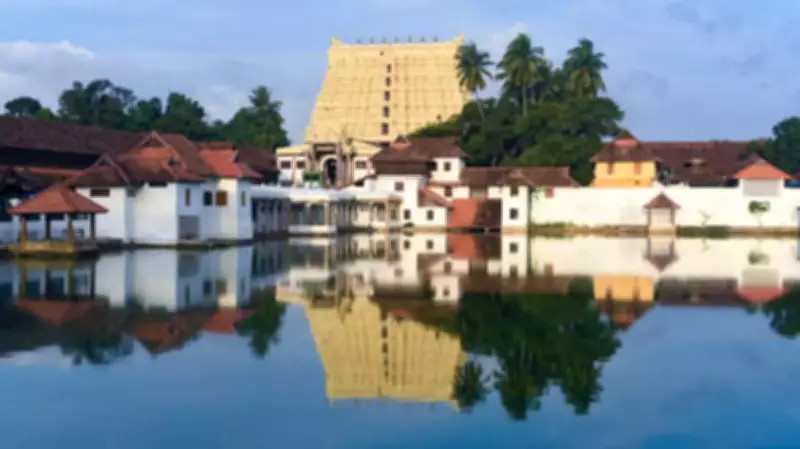
Unveiling the Hidden Mysteries of Padmanabhaswamy Temple
The Padmanabhaswamy Temple in Thiruvananthapuram, Kerala, stands as a magnificent testament to India's rich cultural and spiritual heritage. Renowned globally as the wealthiest temple, this sacred site continues to captivate visitors with its architectural splendor and profound mysteries. Beyond its opulent exterior lie fascinating secrets that few know about. Here are five astonishing facts that reveal the temple's unique character and historical significance.
The Idol Crafted from Sacred Herbs and Resins
Contrary to conventional temple idols made from stone, metal, or wood, the principal deity of Padmanabhaswamy Temple features an extraordinary construction. The 18-foot-long idol of Lord Vishnu in the Anantha Shayana posture is meticulously formed using a special amalgamation of herbs and resins, known as Katu-Sarkara-Yogam. This ancient formula contributes to the idol's preservation and spiritual potency. Additionally, the idol houses 12,008 Salagramas, sacred stones sourced from the Gandaki River in Nepal, enhancing its divine energy. Due to this delicate and sacred composition, traditional abhishekam rituals involving water, milk, or honey are strictly avoided to maintain its integrity.
The Equinox Phenomenon: A Celestial Spectacle
The temple's grand seven-tiered Gopuram showcases remarkable architectural precision from bygone eras. Twice annually, during the equinoxes, a breathtaking visual display unfolds as the sun aligns perfectly with the structure. Observers witness the sun setting through the central opening among five window-like apertures in the tower, illustrating an ancient understanding of astronomy. The sun's movement is visible at precise five-minute intervals, highlighting the temple builders' advanced knowledge of celestial patterns and their integration into spiritual design.

Sealed Vaults: Beyond the Famous Chamber B
While Chamber B of the Padmanabhaswamy Temple has garnered widespread attention for its sealed status and rumored contents, it is not the only restricted vault. Among the eight vaults within the temple complex, Chambers G and H also remain unopened, shrouded in mystery. Historical accounts and local beliefs suggest that these vaults, similar to Chamber B, may contain vast, undocumented treasures accumulated over centuries. The decision to keep them sealed stems from traditional protocols and the potential risks associated with disturbing their contents, preserving an aura of enigma around the temple's wealth.
Onavillu: A Unique Onam Tradition
During the festive occasion of Onam, specifically on Thiruvonam Day, the temple hosts a distinctive ceremony involving Onavillu. These are bow-shaped wooden planks, expertly handcrafted from mahogany or yellow chinaberry wood by the ancestral Vilayil Veedu family. Each plank is adorned with intricate paintings using natural dyes, depicting Puranic themes such as Ananthasayanam, Dasavatara, or Shrirama Pattabhishekam. Presented to the deity as an offering, these sanctified bows are also available to devotees, serving as sacred mementos that embody the temple's artistic and cultural legacy.
Assessing the Temple's Immense Wealth
According to estimates from a 2011 inspection, the Padmanabhaswamy Temple's documented assets are valued at approximately 1.2 lakh crore rupees, cementing its status as the world's richest temple. However, historians and experts argue that this figure might be a conservative assessment. If the temple's treasures, including rare artifacts like Roman gold coins and a diamond-encrusted gold throne, were auctioned as historical collectibles, the total worth could escalate to over 80 lakh crore rupees. This potential valuation underscores the temple's role as a custodian of priceless heritage, blending spiritual devotion with immense material wealth.