Kolkata's Food Sector Struggles Amid Severe LPG Shortage During Eid Weekend
The vibrant food and beverages sector in Kolkata faced an exceptionally taxing second weekend of the ongoing LPG crisis, which unfortunately coincided with Eid celebrations on Saturday. Restaurants across the city struggled to maintain their regular services and full menus as a severe fuel shortage gripped the industry. With footfall soaring during the holiday weekend, establishments were forced to accelerate their transition to electrical cooking methods as their LPG stocks dwindled dangerously low.
Accelerated Shift to Electrical Cooking Methods
Most restaurants have either completely migrated to electrical cooking or are in the process of doing so as their LPG supplies approach exhaustion. The timing couldn't be more challenging, with many proprietors expressing deep concern about the approaching Bengali New Year period less than a month away, when customer numbers are expected to multiply significantly.
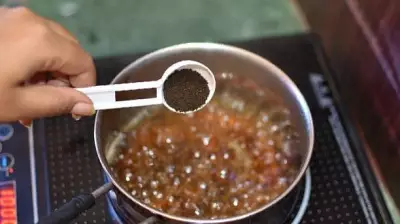
Songhai Manthan and MS Bar & Lounge have already partially transitioned to induction cookers and electric fryers. "We have shifted 30% of our cooking operations and plan to increase this to 50% within this week," explained owner Sudesh Poddar, who also serves as president of the Hotel and Restaurants Association of Eastern India (HRAEI). "Over the last two weeks, we've received only four LPG cylinders, which is sufficient for approximately six days of operation. We do maintain some older stock, but that will deplete soon. Therefore, we intend to shift entirely to electrical cooking equipment by early April."

Restaurants Scramble to Adapt
With customer numbers remaining consistently high, restaurants throughout Kolkata are urgently purchasing induction cookers and training their kitchen staff to operate these new appliances effectively. Amber, located in central Kolkata, has already deployed six induction cookers into service starting Saturday.
"While our basic curries and gravies continue to be prepared using gas, we are utilizing induction technology for warming dishes and supplementing our cooking processes," stated owner Sanjay Khullar. "Our LPG inventory has diminished considerably, and we are using it very sparingly. Soon, we will have no choice but to migrate completely to electrical cooking methods."
Khullar noted that this transition will inevitably increase cooking times, making it particularly difficult to serve a full house when customer numbers surge in April. "We have already reduced our menu offerings and may need to trim it further depending on the situation," he added.
Innovative Solutions Across the City
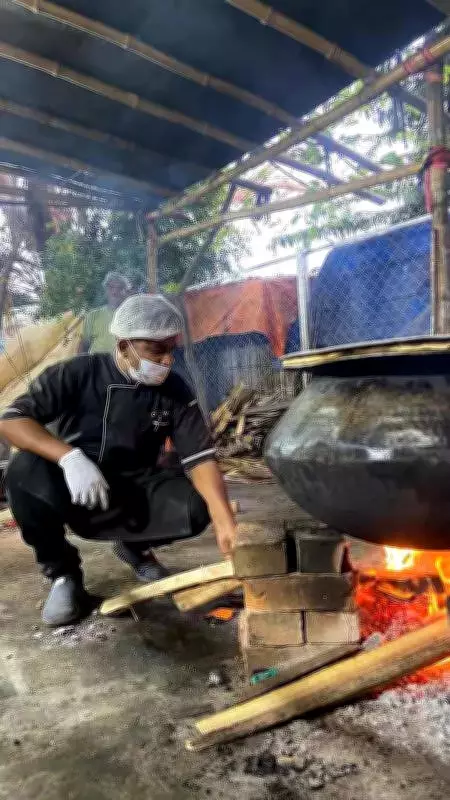
Different establishments are adopting varied approaches to cope with the crisis. Oudh 1590 has implemented a centralized coal oven system to prepare their signature biryani, which is then transported to their various outlets. Owner and co-founder Shiladitya Chaudhury revealed, "We will commence trials with induction cookers this week to determine whether our electrical infrastructure can support this equipment."
At the iconic Mocambo, the transition to induction cooking is already complete, while at Peter Cat and Peter Hu, the process is currently underway, according to owner Nitin Kothari. Oasis has moved an impressive 75% of its cooking operations to induction technology. Owner Pratap Daryanani explained, "We still perform some fundamental cooking tasks using LPG, though our stock is depleting rapidly." Meanwhile, Trincas has successfully transitioned to electric cooking, confirmed Anand Puri of the establishment.
The collective effort to adapt demonstrates the resilience of Kolkata's culinary industry, though concerns remain about maintaining quality and efficiency during peak periods with these new cooking methods.