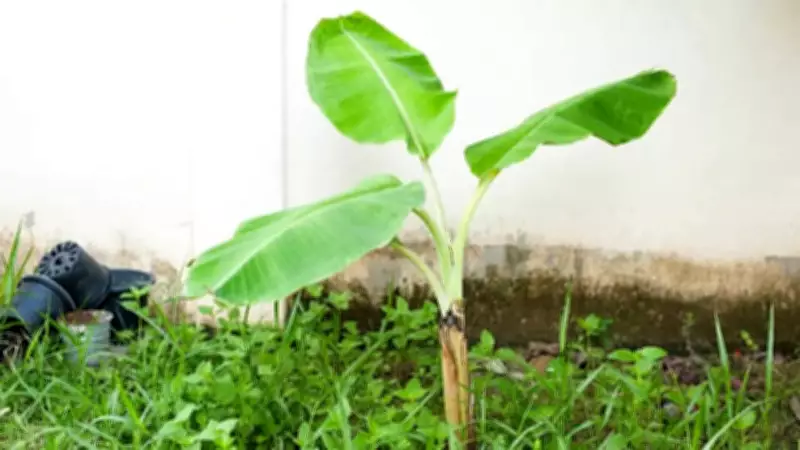
Growing a banana tree may seem difficult at first, but it becomes a fulfilling experience once it starts bearing fruit. The plant grows quickly, adds a tropical feel to any space, and produces fruit under the right conditions. Whether you have a backyard or a balcony, a beginner can successfully plant a banana tree by following these step-by-step instructions.
Pick the Right Type and Use Suckers to Plant
First, choose an appropriate variety. Dwarf varieties are ideal because they do not take up much space, making them suitable for balconies. Instead of planting seeds, use suckers that develop from an existing banana plant. This method ensures faster and more successful growth.
Prepare Nutritious and Well-Draining Soil
Banana trees require fertile, well-draining soil. Mix garden soil, compost, and sand to create a nutritious medium. Alternatively, use coco peat instead of sand to improve drainage and prevent waterlogging. Since banana plants are heavy feeders, enrich the soil before planting.

Place the Plant in the Right Location
Choose a sunny location that provides 6 to 8 hours of direct sunlight daily. If planting on a terrace, ensure the spot receives ample light. Use a large pot if planting in a container, as banana trees need room for root development.
Water the Plant Regularly
Banana plants require consistent watering because their leaves lose moisture quickly. Keep the soil moist but not waterlogged, as excessive moisture can harm the plant. On hot days, increase watering frequency. Mulching around the plant helps retain moisture and regulate soil temperature.
Feed the Tree Regularly and Trim Leaves
Banana plants are heavy feeders, so fertilize several times a month with organic options like compost to promote healthy growth and fruit production. Remove dried or damaged leaves to encourage new leaf growth and maintain plant health.