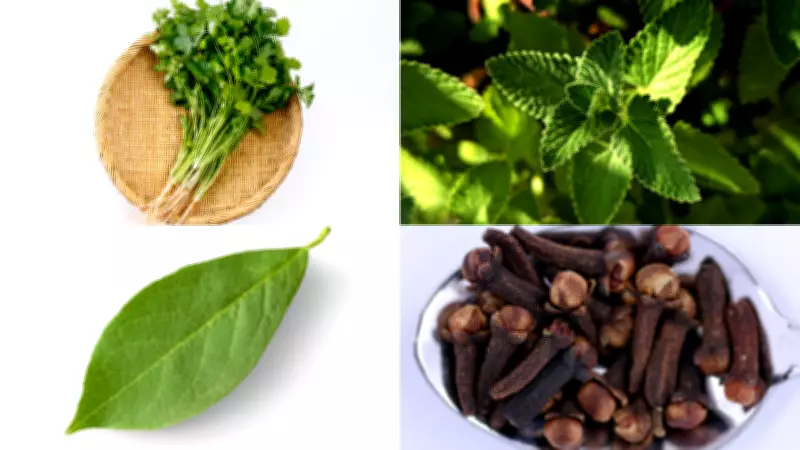
The Evolution of Home Gardening: From Aesthetics to Flavorful Kitchens
Home gardening has traditionally been associated with decorative flowers and ornamental plants, but a significant shift is underway across India. Increasingly, urban and suburban residents are transforming their balconies, terraces, and small outdoor spaces into productive kitchen gardens. This movement focuses on cultivating fresh herbs and spices right at home, offering a simple yet powerful alternative to store-bought products. The core idea is compelling: why rely on packaged, often stale flavors when you can harvest vibrant leaves directly from your own spice plants? These plants are not only convenient but also remarkably well-suited to Indian climatic conditions, requiring minimal maintenance to thrive.
Why Cultivate Spice Plants at Home?
Growing spice plants at home extends beyond mere convenience; it represents a healthier, more sustainable lifestyle choice. Freshly picked leaves contain significantly higher levels of taste and essential nutrients compared to their dried, commercially available counterparts. The benefits are multifaceted and impactful for everyday living.
Key Advantages of Home-Grown Spices:

- Fresh and Chemical-Free Products: You have complete control over the growing process, ensuring no harmful pesticides or chemicals are used.
- Cost-Effective in the Long Run: While there is an initial investment in seeds or saplings and soil, home cultivation reduces recurring grocery expenses over time.
- Space-Efficient Cultivation: Most spice plants can be successfully grown in pots, making them ideal for apartments and homes with limited space.
- Enhanced Culinary Experience: Fresh herbs dramatically improve the aroma, flavor, and overall sensory appeal of home-cooked meals.
Experts from the Department of Horticulture at Kumaraguru Institute of Agriculture in Tamil Nadu emphasize this point, noting, "Herbs grown at home often possess a stronger, more robust flavour due to their freshness and immediate use post-harvest."
Five Simple Spice Plants to Start Your Home Garden
Embarking on a home spice garden journey is easier than many imagine. Here are five excellent plants that are particularly well-suited for Indian households, each with unique characteristics and culinary uses.
1. Curry Leaves (Kadi Patta)
A quintessential component of Indian cuisine, curry leaves are remarkably easy to grow in containers. They thrive with adequate sunlight and moderate, occasional watering.
- Primarily used to infuse aroma into dals, curries, and various tempering (tadka) preparations.
- Rich in antioxidants and beneficial nutrients that support overall health.
- Adapts well to warm weather, making it perfect for most Indian regions.
2. Mint (Pudina)
Mint is renowned for its rapid growth and low-maintenance nature, making it a favorite among beginner gardeners.
- Versatile in use: ideal for preparing chutneys, flavoring drinks, and as a garnish.
- Can grow successfully even without full, direct sunlight, tolerating partial shade.
- Requires regular watering but otherwise demands minimal care and attention.
3. Coriander (Dhania)
Coriander is a staple in Indian kitchens, with both its leaves and seeds being extensively used in cooking.
- Enhances the flavor profile of virtually any dish it is added to.
- Grows quickly from seeds, offering a relatively fast harvest cycle.
- Needs moderate sunlight and consistent, but not excessive, watering to flourish.
4. Basil (Tulsi/Italian Basil)
While the sacred Tulsi is valued for its medicinal properties, Italian basil is the preferred variety for culinary applications.
- Elevates the taste of pasta dishes, salads, soups, and more.
- Possesses natural antibacterial properties, contributing to food safety and health.
- Grows well in pots provided it receives sufficient sunlight daily.
Research from the National Institutes of Health, a prominent health-related organization, supports this, highlighting that basil contains "notable antioxidant and anti-inflammatory properties."

5. Allspice (The "King" of Flavour)
Often described as "all spices in one," allspice offers a complex flavor reminiscent of cinnamon, nutmeg, and cloves combined.
- Both its leaves and berries are highly aromatic and useful in cooking.
- Commonly used in marinades and for general flavoring in various cuisines.
- Requires a consistently warm climate and some patience, as it may take time to establish fully.
Essential Care Tips for Thriving Spice Plants
Successful cultivation does not require expert gardening skills. By adhering to a few fundamental guidelines, anyone can maintain healthy, productive spice plants.
- Always use well-drained, high-quality potting soil to prevent waterlogging and root rot.
- Ensure plants receive between 4 to 6 hours of sunlight each day, preferably in the morning.
- Avoid overwatering; allow the top layer of soil to dry slightly between watering sessions.
- Supplement the soil occasionally with organic compost to provide essential nutrients naturally.
A Simple Path to Elevated Everyday Cooking
There is an undeniable satisfaction in stepping onto your balcony or terrace to pluck fresh leaves for your next meal. This practice not only enhances the taste of your dishes but also fosters a deeper connection to the food you consume. Despite their modest size, these plants possess the remarkable ability to transform ordinary cooking into an extraordinary culinary experience.
With consistent care and a little dedication, any home can become a personal garden of flavor. This trend underscores a valuable lesson: sometimes, the smallest changes—like growing your own spices—can yield the most significant and positive impacts on health, sustainability, and daily living.