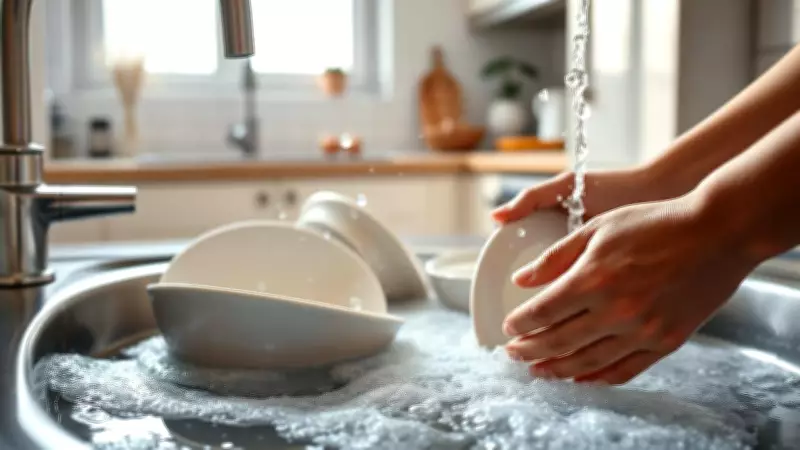
The Hidden Dangers of Hand Washing Dishes: Why Visual Cleanliness Isn't Enough
Many people find hand washing dishes in the kitchen sink to be a calming, almost meditative activity—especially after preparing a meal themselves. For DIY enthusiasts and gardeners who take pride in their homegrown produce, manually scrubbing each plate and jar feels like the only way to ensure true cleanliness. You hold a glass up to the light, inspect it for any spots, and when none are visible, you feel confident that your dishes are spotless. However, recent scientific findings suggest that this visual assurance might be deceiving you. An invisible residue often remains on surfaces, potentially harboring bacteria that could impact both your health and the functionality of your kitchen tools.
The Illusion of Cleanliness: What Your Eyes Miss
Simply put, a dish that looks clean is not necessarily free from contaminants. While hand washing effectively removes visible food particles and grease, it frequently leaves behind a thin, unseen film. This residue is more than just an aesthetic issue; it can serve as a breeding ground for harmful bacteria. For those who ferment foods or extract juices from homegrown fruits and vegetables, this bacterial presence can disrupt delicate biochemical processes, compromising the quality and safety of your homemade products. Understanding the chemical nature of this leftover film—what remains after the soap bubbles vanish—is crucial for improving kitchen efficiency and ensuring true sanitation.
The Science Behind the Sink: Why Hand Washing Falls Short
A quick rinse under the tap might seem sufficient, but manual dishwashing lacks two critical components for effective cleaning: consistent temperature and steady water pressure. Without these, even the most thorough scrubbing is inadequate. When washing by hand, the water temperature is limited by what our skin can tolerate, typically around 40-45°C. This is often well below the 60°C or higher needed to fully break down stubborn fats and proteins that cling to dishes.

A significant study published in the American Journal of Public Health examined this issue in depth. Surveying over 1,000 facilities, researchers found that hand washing frequently leaves behind substantial residues invisible to the naked eye. The study concluded that common soaking and scrubbing methods often merely redistribute bacteria rather than eliminate them. In practical terms, whether in a home kitchen or a makeshift setup, a "clean" jar used for making organic fertilizers might still contain traces of oils from previous uses, contaminating new batches.
The Role of Soap and Detergents in Effective Cleaning
The choice of cleaning agent plays a massive role in dishwashing efficacy. Many consumers simply grab whatever soap is on sale, but the chemical composition of the detergent determines how well it can lift and remove food particles. While some conventional soaps produce satisfying bubbles, they may not effectively break the organic bonds that hold residues together. Essentially, you might feel like you're cleaning, but you could actually be applying a thin layer of soapy film that traps organic dirt on your dishes.
Dishwashers, by contrast, offer superior cleaning through higher temperatures and programmed cycles. However, their effectiveness depends heavily on proper maintenance, particularly of filters. A clogged filter can recycle food particles back onto supposedly clean dishes, undermining the entire cleaning process.
Why Machines and Proper Cycles Are Essential for Modern Kitchens
Investing in an automated dishwasher is not just about convenience; it transforms into a powerful sanitation tool. Machines can maintain water temperatures above 60°C—a level impractical for hand washing—ensuring more thorough breakdown of contaminants. Yet, even with this advanced equipment, reliance on shortcut cycles can lead to subpar results. Research highlighted in Hygiene Efficacy of Short Cycles in Domestic Dishwashers confirms that while quick cycles save time and energy, they often fail to remove tough stains and starchy residues. The brief duration doesn't allow detergents enough time to penetrate surfaces fully.

For individuals who regularly clean garden tools or dishes soiled with mud or starchy foods like oatmeal, it's important to recognize that these substances can form a resilient biofilm. When washing manually, using an enzymatic detergent can help break down these complex residues. If using a dishwasher, reserve short cycles only for lightly soiled items, and opt for longer, more intensive programs for heavily stained cookware.
Maintaining True Cleanliness: Beyond Visual Inspection
Ensuring genuine kitchen hygiene requires more than a visual check. Regularly cleaning your dishwasher's filter is absolutely necessary to prevent cross-contamination. Combining mechanical cleaning with an understanding of scientific sanitation principles will help keep your kitchen truly clean, protecting both your health and the integrity of your homemade foods.