

For many urban gardeners in India, the journey is a cycle of passionate beginnings and frustrating setbacks. One Bengaluru-based gardening enthusiast shares a familiar tale: years of buying seeds, cocopeat, and compost, only to see tender seedlings devoured by snails and pests during midnight feasts. The dream of a homegrown harvest often ends back at square one.
The Instagram Inspiration and a Lucky Break
Yet, the spark always re-ignites. A neighbor's bounty or a social media post showcasing brimming baskets of produce is enough to revive the gardening bug. Recently, the cycle turned fortunate. An impressive germination rate of over 80% for new seeds promised a successful season. The next challenge was protecting these vulnerable sprouts. While some lettuce varieties were lost to hungry visitors, three cruciferous greens stood their ground: rocket, red kale, and mustard (sarson). Their secret weapon? A strong smell and sharp taste that deterred the predators.
Sarson's Seasonal Shift in Bengaluru's Markets
Traditionally, winters in India are synonymous with sarson ka saag, makke di roti, and gajar ka halwa. Just a couple of years ago, finding fresh sarson leaves in Bengaluru was a difficult task. However, a noticeable change has occurred. Over the past year, these fiercely seasonal greens have begun appearing on quick-commerce apps almost throughout the year. This raises questions about how a winter staple is becoming a perennial presence. Bengaluru's weather, conducive to growing most vegetables year-round, especially leafy greens that don't require prolonged direct sunlight, certainly plays a role.

The city's climate is ideal for beginners. Starting with a few shallow pots on a windowsill can yield satisfying results. For those looking towards more hands-on, analogue pursuits in 2026—like gardening, meeting friends in person, or simply touching grass—cultivating sarson is a perfect entry point. The seeds are likely already in your kitchen. Scattering them over a mix of cocopeat and compost can yield salad-ready leaves in about 15 days, and enough for a hearty saag in just six weeks.
The Unmistakable Flavour of a Homegrown Hero
The true appeal of sarson lies in its bold, punchy flavour. It is no wallflower. Even when combined with spinach, bathua, butter, and garlic, the dish remains unmistakably sarson ka saag, not a generic mixed-green preparation. The gardener-author prefers a minimalist treatment, letting the green take centre stage or pairing it with just one complementary ingredient like potato, sweet potato, pumpkin, yogurt, or bottle gourd.
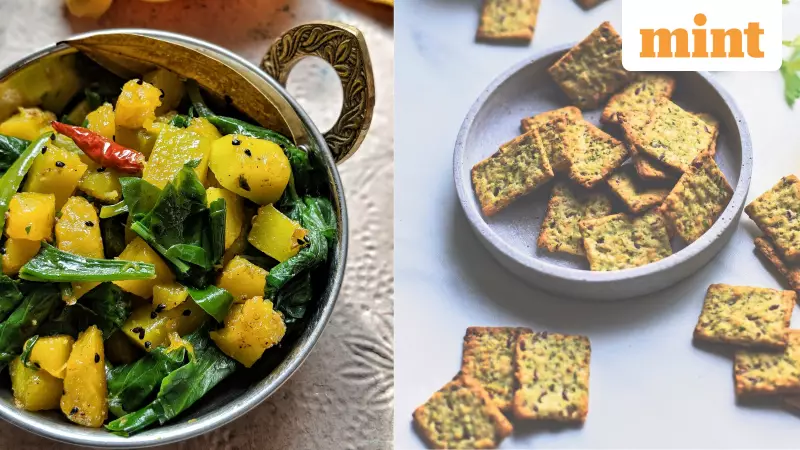
Choosing mustard greens for a winter garden is a rewarding decision. They require little space and attention but give generously, making their presence felt from the soil to the plate. Here are two ways to celebrate this resilient winter green.
Recipe 1: Sarson with Chow Chow (Serves 2-4)
Ingredients: 3 cups mustard greens (tender leaves and stems), 2 small chayote squash (chow chow), 1 tbsp mustard oil, ¼ tsp kalonji, ¼ tsp fennel seeds, 2 chopped green chillies, 1 tsp grated ginger, ¼ tsp turmeric powder, ½ tsp salt, ½ tsp sugar.
Method: Wash and chop the greens. Cube the peeled chayote. Heat mustard oil until smoking, add kalonji, fennel, chillies, and ginger. Fry for 30 seconds. Add squash and turmeric, sauté for 1-2 minutes. Combine greens and stir for another 1-2 minutes. Season with salt and sugar, cover, and cook for 7-8 minutes until tender. Serve with rice or rotis.
Recipe 2: Sarson Crackers (Serves 4)
Ingredients: 1 cup whole wheat flour, 1 tbsp fine semolina, 2 tsp white sesame seeds, 1 tsp red chilli powder, 1 tsp salt, ½ tsp baking powder, ½ cup finely minced mustard leaves, 2 tbsp yogurt, 1 tbsp mustard oil, 1 tbsp neutral oil.
Method: Mix all ingredients except neutral oil into a pliable dough using a little water. Knead, add neutral oil, and rest for 20 minutes. Divide into balls, roll out thinly, and cut into shapes. Bake at 180°C for 10-12 minutes until golden and crisp. Store in an airtight container and serve with dips.
This column on vegetarian cooking, Double Tested, highlights a single ingredient prepared two ways, by doctor and author Nandita Iyer.






