Bengaluru Doctors Report Post-Pandemic Surge in Guillain-Barré Syndrome Cases
Medical professionals in Bengaluru have documented a concerning rise in cases of Guillain-Barré Syndrome (GBS) in the aftermath of the Covid-19 pandemic. This development has sparked significant attention within the healthcare community, as doctors work to understand the potential links between viral infections and autoimmune responses.
Understanding Guillain-Barré Syndrome
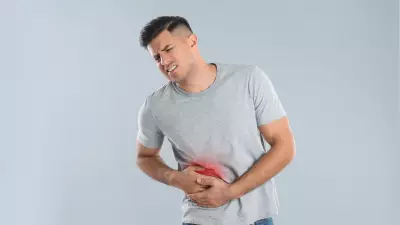
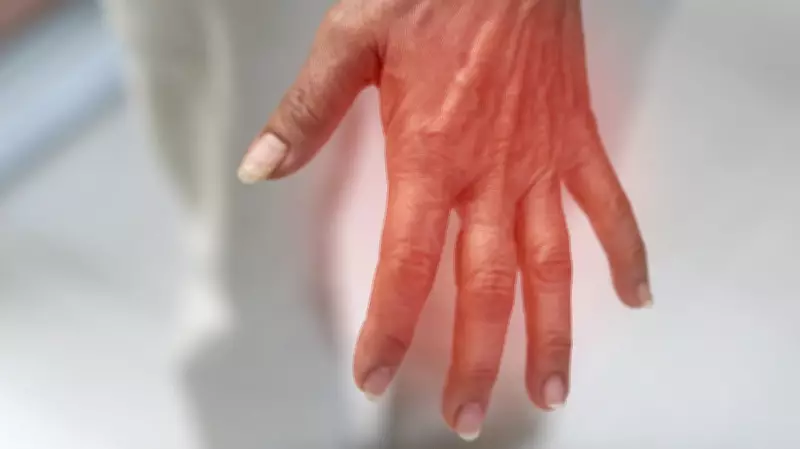
Guillain-Barré Syndrome is a rare but serious autoimmune disorder where the body's immune system mistakenly attacks the peripheral nervous system. This neurological condition typically begins with weakness and tingling sensations in the extremities, which can rapidly progress to more severe symptoms.
The primary characteristics of GBS include:

- Muscle weakness that often starts in the legs and spreads upward
- Numbness or tingling sensations in hands and feet
- Difficulty with coordination and balance
- Severe cases may involve breathing difficulties requiring mechanical ventilation
- Progressive symptoms that can lead to temporary paralysis
Post-Pandemic Observations in Bengaluru
Doctors across Bengaluru's major hospitals and neurological centers have reported a noticeable increase in GBS diagnoses since the peak of the Covid-19 pandemic. While the exact mechanisms remain under investigation, medical experts suggest several possible connections between viral infections and autoimmune neurological conditions.
"We've observed a pattern that warrants careful monitoring and research," noted one senior neurologist from a leading Bengaluru hospital. "The temporal association between the pandemic and increased GBS cases suggests potential immunological triggers that require deeper understanding."
Clinical Implications and Patient Management
The rising incidence of Guillain-Barré Syndrome presents several challenges for healthcare providers:
- Early diagnosis becomes crucial for effective treatment outcomes
- Rehabilitation services must be prepared for increased demand
- Patient education about symptom recognition and timely medical intervention
- Research initiatives to understand the post-viral autoimmune mechanisms
Treatment typically involves immunotherapy approaches such as intravenous immunoglobulin (IVIG) or plasma exchange, along with comprehensive supportive care during the acute phase of the illness.
Public Health Considerations
This development highlights the importance of ongoing surveillance for neurological complications following viral infections. Medical authorities emphasize that while GBS remains relatively rare, increased awareness among both healthcare providers and the general public can lead to earlier intervention and better patient outcomes.
The Bengaluru medical community continues to monitor this trend closely, with plans for systematic data collection and analysis to better understand the relationship between Covid-19 and subsequent neurological autoimmune conditions.