

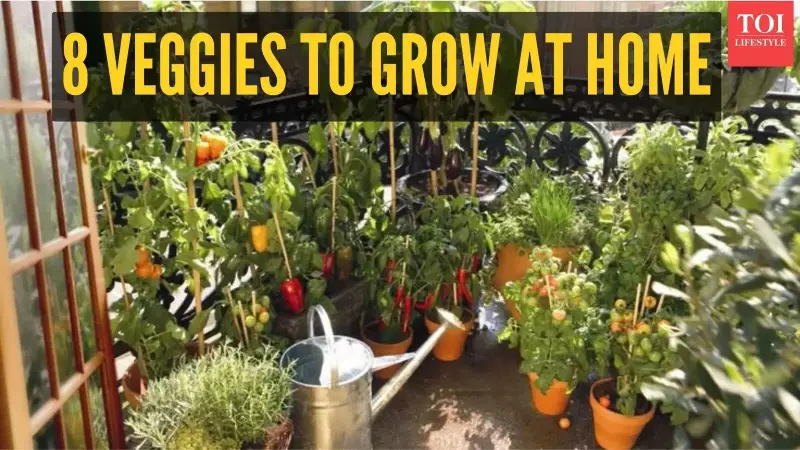
Faced with steadily climbing grocery bills and inconsistent quality of fresh produce in markets, a growing number of city residents across India are rediscovering a timeless practice: cultivating their own food. This isn't a movement restricted to those with sprawling backyards. According to estimates from the UN Food and Agriculture Organization, a staggering 800 million people globally are now growing food in and around cities, demonstrating that a fruitful harvest doesn't demand acres of farmland.
The Urban Gardening Solution for Modern Living
"Urban gardening presents a highly practical answer for individuals seeking fresh, healthy food without the heavy expense," explains Vince Braun, a sustainable living advocate at HealthiStraw. He emphasizes the flexibility of the approach, stating, "The real advantage of apartment gardening is its adaptability; it works harmoniously with your available space, rather than fighting against it." This shift is empowering everyone from students in hostels to families in high-rises to take control of a portion of their food supply.
Top 8 Vegetables for Your Indian Apartment Garden
Whether your home offers a sunny balcony, a bright windowsill, or simply a well-lit corner, these eight vegetables can flourish in containers and deliver farm-fresh flavours directly to your kitchen.

1. Cherry Tomatoes
These prolific plants are ideal for first-time gardeners. They require a container at least 12 inches deep and a solid 6-8 hours of direct sunlight each day. A south-facing balcony or window is perfect. Water them only when the top inch of soil feels dry and provide a small stake for support as they vine. Be careful not to overwater, as this can lead to root rot and split fruit.
2. Lettuce and Leafy Greens
Lettuce grows rapidly and doesn't need deep pots; 4-6 inches of soil is sufficient. These are cool-weather crops that actually prefer partial shade, making them excellent for less sunny urban spots. You can practice 'cut-and-come-again' harvesting by snipping outer leaves while the plant's center continues to produce. Keep the soil consistently moist to prevent leaves from turning bitter and tough.
3. Peppers
Both sweet bell peppers and hot chillies adapt remarkably well to life in a pot. Choose a container at least 8 inches deep and place it in a warm, sunny location. Once established, peppers are quite drought-tolerant, offering a low-maintenance gardening option. Keep an eye out for common pests like aphids, which can harm young plants.
4. Radishes
For almost instant gratification, radishes are unbeatable, often ready to harvest in just 30 days. They thrive in shallow containers (4-6 inches deep) and can manage in partial shade. Their speedy growth and hardiness make them nearly foolproof for beginners. Remember to thin out seedlings to give each radish enough space to develop properly.
5. Herbs (Basil, Cilantro, Parsley)
For the maximum flavour payoff with minimal space, fresh herbs are the champions. Most herbs do well in 6-8 inch containers and can handle some shade. Frequent harvesting encourages a bushier, more productive plant. A key tip: avoid planting aggressive spreaders like mint in the same container as other herbs, as it will quickly dominate the space.
6. Spinach
This nutrient-packed green prefers cooler temperatures and partial shade. Use containers 6-8 inches deep and maintain consistent moisture. Spinach is perfect for spring and autumn cultivation in most Indian cities when the weather is moderate. Avoid summer planting, as excessive heat causes the plant to bolt, making the leaves bitter.
7. Green Onions (Spring Onions)
Perhaps the simplest vegetable to grow indoors, green onions can even be regrown from kitchen scraps. They need minimal space and light, making a kitchen windowsill an ideal spot. Simply place the white roots with a little stem in water or shallow soil. Harvest by cutting the green tops, and the roots will often regrow multiple times.

8. Microgreens
These are nutrient-dense baby greens, harvested just 7-14 days after sowing. They require only 1-2 inches of growing medium and can be grown successfully under artificial lights, like LED strips. Microgreens deliver intense flavour and nutrition in a tiny package. Prevent damping-off disease by avoiding overwatering.
Pro Tips for a Thriving Container Garden
Vince Braun highlights a simple yet effective technique: "One of the most significant game-changers for urban gardeners is using straw as a mulch." He elaborates, "Materials like wheat straw offer excellent drainage while helping the soil retain moisture. They are also completely sustainable, as they repurpose agricultural byproducts that would otherwise be discarded."
For any container, ensuring proper drainage is critical; always drill holes in the bottom if none exist. While most fruiting vegetables need at least 6 hours of sun, leafy greens are more forgiving. Braun advises newcomers to start with just 2 or 3 types of vegetables to build confidence before expanding their green empire.
The Bottom Line: Reconnect with Your Food
"Cultivating your own food in compact spaces fosters a connection with nature that benefits both personal health and the environment," opined Vince Braun. "When you incorporate natural materials like wheat straw into your containers, you're essentially creating a miniature ecosystem that mimics nature—ensuring proper drainage, moisture retention, and adding organic matter to feed your plants. The secret to successful apartment gardening lies in starting modestly and selecting vegetables that align with your available light and space."
He concludes on an encouraging note: "Even a single windowsill can yield enough fresh herbs to revolutionise your everyday cooking." There is an undeniable wholesomeness in growing food wherever you can. It transforms your perception of your living space and deepens your relationship with what you eat. Ultimately, there is a unique and profound satisfaction in harvesting vegetables that you have nurtured from seed to plate.





