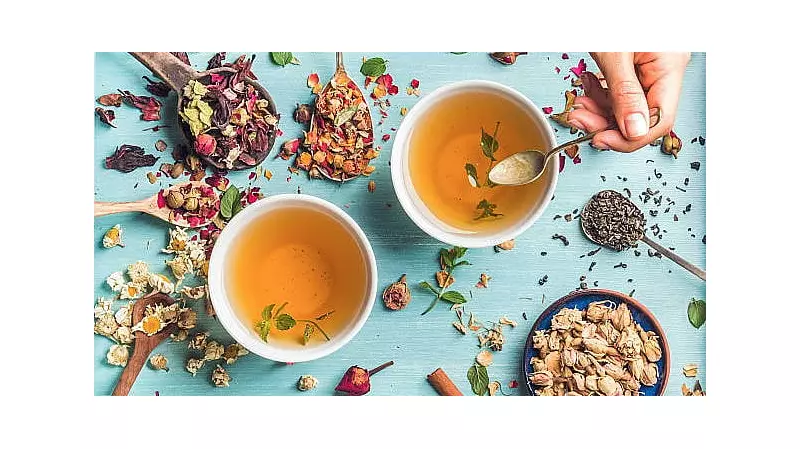
In a significant move to ensure clarity for consumers, India's food safety regulator has issued a clear directive to the food and beverage industry. The Food Safety and Standards Authority of India (FSSAI) has officially warned all food businesses against incorrectly labeling herbal infusions and other similar beverages as 'tea'.
What Does the FSSAI Regulation Say?
The core of the new directive is precise and unambiguous. According to the established FSSAI regulations, the term 'tea' can only be used on product packaging and labelling if the beverage is derived exclusively from the plant species Camellia sinensis. This is the traditional tea plant from which common varieties like black, green, white, and oolong tea are produced.
Any other beverage made by steeping herbs, flowers, spices, or fruits—such as chamomile, peppermint, hibiscus, or ginger blends—must be marketed accurately. These products should be labeled as 'herbal infusions', 'herbal beverages', or with a specific descriptor like 'peppermint drink', but never simply as 'tea'. The advisory was highlighted in a public notice, with the news being widely circulated on 25 December 2025.

Implications for Businesses and Consumers
This enforcement action has immediate implications for a wide range of companies. Manufacturers, packers, and retailers of herbal drinks must now urgently review their product labels, marketing materials, and even brand names to ensure compliance. Using the protected term 'tea' for non-compliant products could lead to regulatory action, including penalties.
For the Indian consumer, this is a win for transparency and informed choice. The move prevents the potential misleading of buyers who might purchase a 'herbal tea' expecting the properties and taste of traditional tea containing caffeine from Camellia sinensis. It clearly distinguishes between true tea and caffeine-free herbal concoctions, allowing people to make purchases based on accurate information.
The Road Ahead for the Industry
The FSSAI's stance is not entirely new but reinforces existing standards. It underscores the regulator's focus on strict adherence to food standards and truthful labeling practices. The food industry is expected to undergo a period of adjustment where non-compliant packaging is phased out and replaced.
This clarification ultimately benefits the market by creating a level playing field and building greater consumer trust. It ensures that when someone buys a product labeled 'tea' in India, they are genuinely getting a beverage made from the leaves of the Camellia sinensis plant, nothing else.