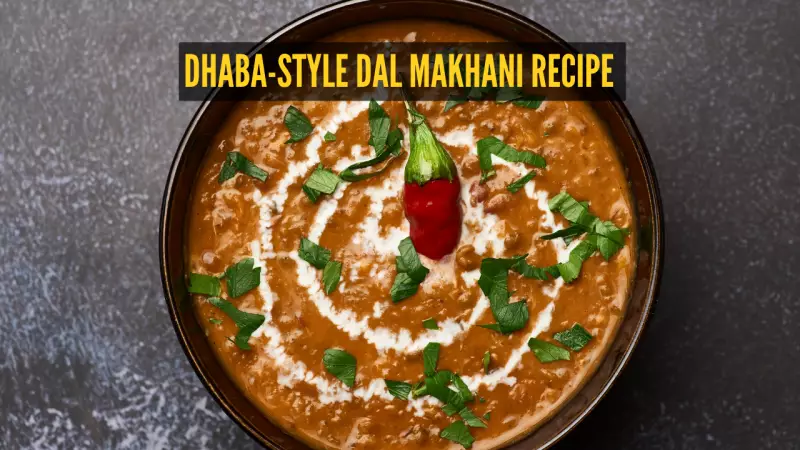
As the winter chill sets in, the craving for rich, comforting food grows stronger. For many in North India, few dishes evoke as much warmth and nostalgia as a creamy, buttery bowl of Dal Makhani. Traditionally served at roadside dhabas, this lentil curry is a beloved classic. On January 2, 2026, a detailed guide was published, making this culinary delight accessible to home cooks everywhere.
The Soul of North Indian Cuisine in a Pot
Dhaba-style Dal Makhani is more than just a meal; it's an experience. The dish is celebrated for its velvety texture, generous glaze of butter, and distinct smoky aroma. These elements combine to create a hearty and satisfying dish that is particularly enjoyable during the colder months. It is typically served with naan, tandoori roti, or steamed rice, making it a versatile centerpiece for any winter dinner.
Gathering Your Ingredients for Authentic Flavor
The key to an authentic taste lies in using the right components. For this recipe, you will need: ¾ cup of whole black lentils (urad dal) and ¼ cup of rajma (kidney beans), which form the protein-rich base. The flavor profile is built with butter, oil, a large onion, ginger-garlic paste, fresh tomatoes, and tomato paste. The spice mix includes red chilli powder, Kashmiri chilli powder (for color and mild heat), coriander powder, and garam masala. The final richness comes from fresh cream, dried fenugreek leaves (kasuri methi), and a signature smoky finish achieved with a small piece of hot charcoal and ghee.

Step-by-Step Cooking Instructions
The first crucial step is to soak the urad dal and rajma overnight or for at least 8 to 10 hours. This ensures they cook evenly and become tender. After a thorough wash, the lentils are pressure-cooked with water and salt for about 4 to 6 whistles, until they turn soft and creamy.
In a separate heavy-bottomed pan, the cooking process begins by heating butter and oil. Chopped onions are sautéed until golden brown, followed by ginger-garlic paste, which is cooked until its raw smell disappears. Next, tomato puree and paste are added. This mixture must be cooked on medium heat until it thickens significantly and the butter starts to separate from the sides of the pan—a sign that the masala is well-cooked.
At this stage, the dry spices—red chilli powder, Kashmiri chilli powder, coriander powder, and garam masala—are added and mixed well into the masala. The pressure-cooked dal, along with any leftover cooking liquid, is then introduced to the spiced masala. The combined mixture should simmer on a low flame for 45 to 60 minutes. Frequent stirring is essential to prevent the dal from sticking to the bottom of the pan and to develop its creamy consistency.
The Final Touches: Cream and Smoke
Once the dal has simmered and thickened, fresh cream, crushed kasuri methi, and an additional knob of butter are stirred in. The cooking continues for another 6 to 12 minutes. For the authentic dhaba-style smoky flavor (dhungar), a unique technique is used. A small piece of hot charcoal is placed in a heat-proof bowl set directly over the dal. Half a teaspoon of ghee is poured onto the charcoal, and the pan is immediately covered. This allows the dal to absorb the smoky aroma for 2 to 3 minutes before serving.
The final result is a luxurious, deeply flavored Dal Makhani that rivals any restaurant version. This recipe proves that with a little patience and the right technique, you can recreate a North Indian winter staple right in your own kitchen. Serve it piping hot with your choice of bread or rice for the ultimate comfort food experience.