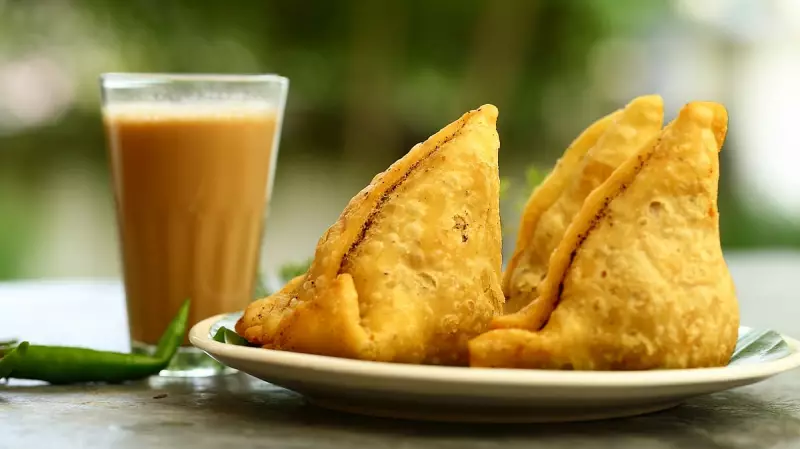
Davos Welcomes the Flavors of India: A Culinary Journey from Tea to Traditional Dishes
The prestigious World Economic Forum (WEF) annual meeting in Davos has become a hub not only for global economic discussions but also for a delightful taste of India's diverse cuisine. From the humble chai-samosa combination to hearty paranthas and comforting khichdi, Indian food is making a significant mark at this international event, offering a warm and flavorful respite to delegates and passers-by alike.
Tata Group's Chai Central: Brewing Connections Over Tea
In a strategic and culturally rich move, the Tata group has set up a charming tea stall named Chai Central near its lounge on the main street leading to the Congress Centre, the primary venue for the WEF meetings. This initiative is more than just a refreshment stop; it serves as a cultural ambassador, offering free tea to attendees and creating a cozy space for networking and informal conversations. The stall embodies the essence of Indian hospitality, where a simple cup of chai can foster meaningful connections and break the ice in the high-stakes environment of global diplomacy and business.
A Diverse Menu Showcasing India's Culinary Heritage
Beyond the tea stall, the culinary offerings at Davos extend to a variety of traditional Indian dishes that are gaining popularity among international visitors. Items such as:

- Paranthas: Stuffed flatbreads that come in multiple flavors, including aloo (potato) and paneer (cottage cheese), providing a wholesome and satisfying meal.
- Khichdi: A simple yet nutritious dish made from rice and lentils, often enjoyed for its comforting and healthful properties.
- Samosa: Crispy pastries filled with spiced potatoes or other ingredients, serving as a perfect snack alongside tea.
These foods not only cater to diverse palates but also highlight the richness and versatility of Indian cuisine, which ranges from street food to home-cooked meals.
The Impact on Global Perceptions and Cultural Exchange
The presence of Indian food at Davos is more than a culinary trend; it represents a subtle yet powerful form of soft diplomacy. By introducing global leaders and influencers to authentic Indian flavors, events like these help in:
- Enhancing cultural understanding and appreciation for India's traditions beyond its economic and political roles.
- Promoting tourism and interest in Indian cuisine worldwide, potentially boosting related industries.
- Fostering informal dialogues in a relaxed setting, which can complement the formal discussions of the WEF.
This initiative aligns with broader efforts to showcase India's soft power on international platforms, making the country's cultural assets a part of global conversations.
As reported by Deepti Susan Thomas, this culinary showcase at Davos underscores how food can bridge gaps and create memorable experiences, even in the most formal of settings. With the Tata group leading the way through Chai Central, Indian cuisine is poised to leave a lasting impression on the world stage, one sip and bite at a time.