A Decade in India: One Woman's Journey Beyond the Stereotypes
Social media platforms overflow with strong opinions about India. Many posts portray Indian people as rude, unsafe, or unwelcoming. A recent online post directly challenges these widespread claims. The author, a woman who has lived and traveled extensively across India for nearly ten years, shares her personal perspective. Her detailed account paints a picture starkly different from the common online narratives.
The Gap Between Viral Comments and Real Encounters
The woman explains that much of the criticism targeting Indians originates from viral comments, not from genuine personal interactions. Claims concerning hygiene, scams, or general hostility spread rapidly online. This often happens during periods of rising global tensions and racism. However, she argues that travel experiences defy simple reduction to stereotypes. Real places gain their character from the people, the specific context, and the behavior exhibited by everyone involved.
Everyday Dignity and Personal Pride
One common stereotype she specifically addresses relates to personal hygiene. According to her observations, even individuals in modest occupations take visible pride in their appearance. A neatly pressed shirt, clean clothes, and a sense of self-respect are common sights across the country. These small, everyday details might seem insignificant, but they actively challenge a narrative that frequently overlooks the dignity present in daily Indian life.

The Protective Embrace of Family Culture
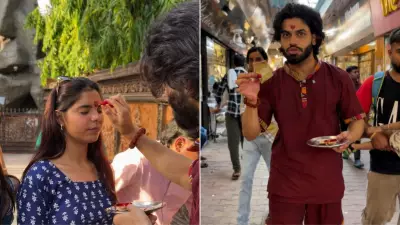
At the core of her experience lies India's strong family-oriented culture. Traveling solo as a woman, she recounts how many locals naturally assumed protective and caring roles. Offers of food, guidance, or assistance became routine occurrences. In numerous instances, this kindness did not feel staged or performative. Instead, it felt instinctive and almost familial, extending the warmth of family values to strangers.
Understanding Moments of Friction
The author does not ignore the fact that some tourists encounter unpleasant moments. Her analysis, however, is straightforward. Language differences play a significant role. Words like please and thank you do not always carry identical social weight or direct translations in many Indian languages. More crucially, she emphasizes that attitude matters profoundly. Approaching interactions with arrogance or impatience often invites a similar energy in return. She notes that showing respect typically encourages respect from others.
Remarkable Generosity That Leaves a Mark
Having visited several Asian countries, she describes Indians as exceptionally generous. Help is frequently offered freely, sometimes without even being requested. This spirit of generosity manifests in simple, powerful acts: guiding a lost traveler, returning misplaced belongings, or checking on someone who appears uncertain. These moments, she insists, truly define India's character far more accurately than sensational headlines.
Social Media Responses Validate the Experience
The comments on her original post echoed and reinforced her narrative. Many users shared similar stories of receiving help without hesitation after losing bags, missing directions, or struggling with language barriers. Others acknowledged cultural differences, such as comments on skin color, while still describing Indians as fundamentally kind and caring people. The overwhelming response suggests her positive experience is not an isolated case but a shared reality for many.
Disclaimer: This article is based solely on a publicly shared social media post and the accompanying user comments. Individual travel experiences can vary widely depending on location, specific context, and personal interactions. The content does not generalize all experiences and should be read as one perspective among many.