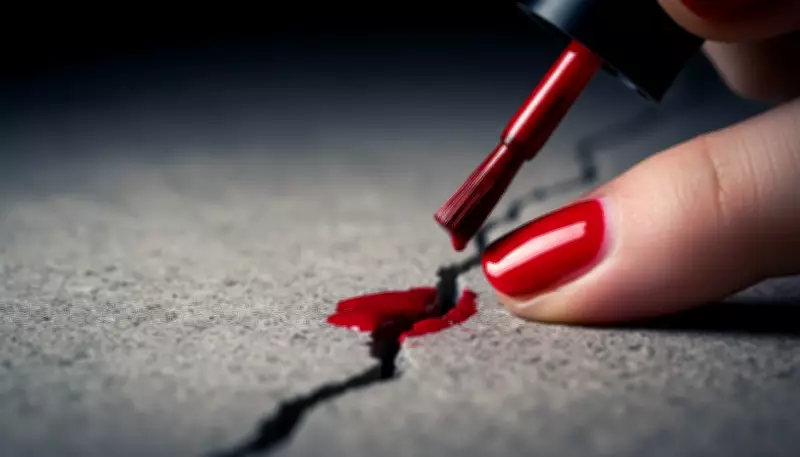
The Unlikely Garden Savior: Clear Nail Polish
Picture this familiar weekend scenario: you're immersed in gardening, reaching for your reliable trowel or admiring a favorite plastic planter, when suddenly you notice a web-like crack forming. The immediate thought might be a trip to the hardware store for epoxy, but an increasing number of gardeners are discovering a surprising alternative already in their homes.
A Bathroom Cabinet Solution for Garden Woes
The use of clear nail polish as a rapid repair method for minor cracks on gardening tools and equipment has gained significant popularity. This clever trick allows enthusiasts to address small issues before they escalate into major problems, saving both time and money. Waterproof and fast-drying, most households have a neglected bottle somewhere in their drawers, making it an accessible solution.
Application is straightforward: simply clean the affected area and apply several layers over small cracks. This creates a personalized plastic-like barrier that effectively protects against moisture penetration and dirt accumulation. While this hack appears to be a convenient lifesaver, there's more complexity to this chemical-based technique than initially meets the eye.

The Scientific Basis Behind the Polish Seal
Although using nail polish as a sealant might sound like an internet myth, the practice actually has legitimate scientific backing. For decades, researchers have utilized nail polish for preserving biological specimens in laboratory settings. A study published in the MethodsX journal titled "Gel nail polish as an alternative to traditional coverslip sealants: A quick solution to a sticky situation" explores this specific application.
Nail polish earns its place in laboratories due to its rapid air-drying properties and ability to form stable, non-permeable layers that prevent material leakage. When adapted for outdoor use, this same principle creates a temporary protective coating that can shield paint from peeling or prevent moisture from penetrating wooden tool handles or plastic planters.
Enthusiasts have even advanced the concept by employing gel nail polish techniques, which instantly solidify under UV light to form coatings resembling industrial-grade resin. However, it's crucial to understand that while nail polish excels at creating protective coatings, it doesn't provide the bonding strength of proper adhesives. This makes it ideal for protecting small cracks before tools experience significant pressure or friction.
Optimizing Your Polish Application
For maximum effectiveness, begin by thoroughly cleaning the area with rubbing alcohol to ensure complete cleanliness before polish application. This guarantees the lacquer adheres directly to the material rather than to any garden dirt or debris. Applying a second coat after the first dries creates a slightly thicker coating, resulting in a surprisingly durable glossy spot that withstands morning dew or hose spray.
Balancing Convenience with Chemical Awareness
While the ease of application makes this hack tempting, the chemical composition of nail polishes requires careful consideration. These products contain complex solutions of resins and solvents formulated for cosmetic purposes, not necessarily for garden applications.
Research detailed in "The Safety of Nail Products: Health Threats in the Nail Industry," published in the International Journal of Dermatology, reveals that many traditional polishes contain a "toxic trio" of ingredients including toluene and formaldehyde—volatile organic compounds that can pose health risks.
When applying these liquids to larger surfaces or using them frequently for DIY repairs, gardeners may expose themselves to fumes that could cause respiratory irritation or skin sensitivities. Health-conscious gardeners should therefore work in well-ventilated outdoor areas and consider whether chemicals might transfer to skin during extended gardening sessions.

Environmental Considerations and Alternatives
Environmental impact represents another important factor. As the polish coating deteriorates over time, particularly under intense sunlight exposure, microscopic plastic particles can potentially enter garden soil. For those maintaining organic vegetable patches, avoiding makeshift chemical sealants in favor of food-safe silicone or natural waxes might be preferable. These alternatives provide similar moisture barriers without introducing synthetic pollutants that could affect prize-winning tomatoes.
This ingenious repair method demonstrates human innovation at its most practical, offering an accessible solution to extend the lifespan of frequently used gardening equipment and decorations without requiring disposal. Understanding both the scientific principles behind its application and the chemical components involved enables gardeners to maximize benefits while minimizing risks.
Next time you notice even the tiniest crack developing on your watering can or favorite trowel, remember that a simple coat of clear nail polish might provide the temporary fix you need until a more permanent solution becomes available.