Transform Your Balcony into a Butterfly Haven with Simple Gardening Tips
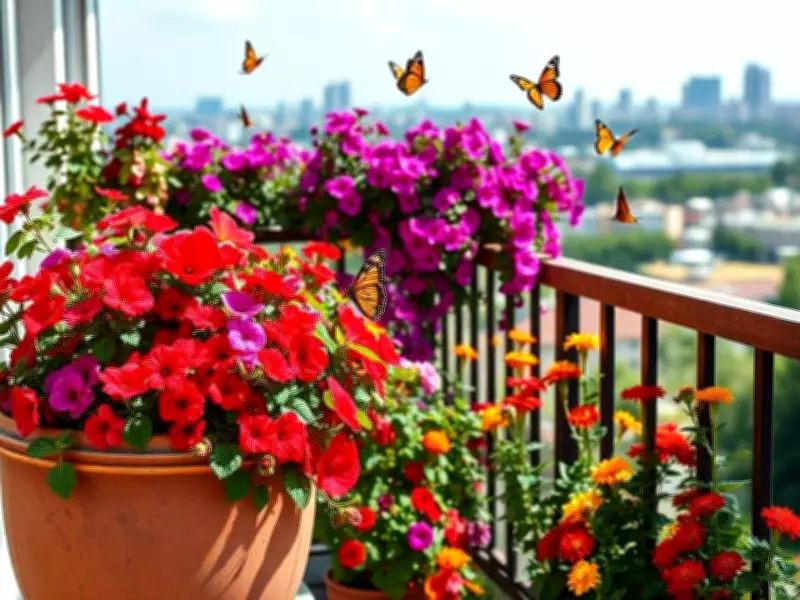
A tranquil balcony can be dramatically transformed into a lively, vibrant space with the correct selection of plants. By placing several pots and choosing the right flowers, you can create an environment that not only enhances aesthetics but also attracts beautiful butterflies. This growing trend among urban gardeners shows that even small spaces can become bustling pollination centers with minimal effort.
Select the Correct Plants and Create Space
Butterflies are primarily attracted to nectar, so it's essential to select plants with clear, continuous flowering. Flowers such as Lantana, Marigold, and Zinnia provide easy access to nectar and are ideal for pots on balconies. According to sources like Live to Plant, flowering plants in containers can effectively attract butterflies if they produce blooms consistently.
However, nectar alone is insufficient to keep butterflies around. Host plants are crucial for their lifecycle. Plants like milkweed and parsley serve as sites for egg-laying and food for caterpillars. Without these host plants, butterflies may visit briefly but won't establish a long-term presence. Combining both nectar and host plants turns your balcony into an appealing habitat.

Arrangement matters significantly. Cluster planting, where plants are grouped together rather than spread out, makes it easier for butterflies to find food. Arrange plants by height, with taller ones at the back and shorter ones upfront, to create a comfortable environment. This approach reduces the effort butterflies expend searching for resources, encouraging them to stay longer.
Water and Shelter Are Essential for Attracting More Butterflies
While flowers draw butterflies in, other elements help them stay. A simple tray with damp soil provides a water source for butterflies to rest and obtain minerals. Homes & Gardens notes that such minor adjustments can increase butterfly visits, especially during warm weather when natural water sources are scarce. Crucially, avoid all chemicals to ensure a thriving habitat; organic practices promote both plant and butterfly health.
Shelter is another key factor. Enhance your balcony's shelter by adding taller plants or densely planting containers for better protection. This creates a comfortable resting spot, making butterflies more likely to consider the area part of their territory. Vertical gardens, using hanging planters and rail boxes, add dimension without sacrificing surface space, offering additional shelter and food sources through climbing plants.
Maintain a Year-Round Butterfly Garden
To keep butterflies visiting throughout the year, plant a mix of flowers that bloom at different times. This ensures a steady nectar supply as one plant fades and another begins to flower. Research supports this approach; a study titled Pollinator diversity and floral resource availability in urban landscapes, published in Urban Ecosystems, highlights that continuous access to nectar is key to supporting butterfly presence in urban areas.
It doesn't take much space to bring a balcony to life. With thoughtful planning, you can add beauty through fluttering butterflies, colorful flowers, and regular garden care. As your efforts develop, you'll notice more patterns and regular visitors, turning a small balcony into a dynamic universe of nature.
This venture doesn't demand perfection but rather devotion, patience, and acceptance of what nature brings. Embrace the imperfections, and enjoy the rewarding experience of creating a pollinator-friendly oasis in an urban setting.