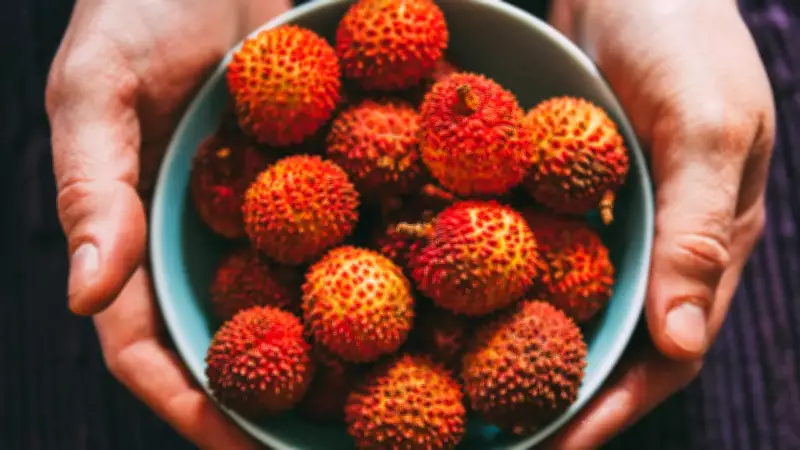
Importance of Litchi in Summer Diet
When it comes to summer fruits in India, litchi is one of the most beloved, prized for its sweet taste, juicy pulp, and refreshing flavor. It is primarily cultivated in states such as Bihar, West Bengal, Uttar Pradesh, Jharkhand, and Uttarakhand. Interestingly, India is among the world's leading producers of litchi. This fruit thrives in subtropical climates and is harvested during the summer months, typically from May to June. From shakes, juices, and salads to exotic desserts, this pulpy sweet fruit can be enjoyed during summers. However, the most common challenge people face is how to choose the perfect litchi. Here is your comprehensive guide to picking the best litchi at the market, storing them properly, and learning about the most popular varieties available in India.
Shahi Litchi
This variety is native to the Muzaffarpur area of Bihar. It typically flourishes in the third week of May and has an oval and conical shape. Crimson-red tubercles appear on a uranium-green background at maturity. This litchi features juicy pulp that melts in the mouth.
China Litchi
Also cultivated in the Muzaffarpur area of Bihar, this litchi is a semi-dwarf variety that begins ripening in the third week of May. It is medium to large-sized, globose, with a red and orange hue. China litchi has intense sweetness and works best for making desserts.

Kasba Litchi
Grown in the eastern part of Bihar, the fruits are medium to large-sized and heart-shaped. This variety has red tubercles on a reddish background at maturity and mostly ripens in the first week of June.
Purbi Litchi
This variety is grown in eastern Bihar. It is oblong-conical in shape and starts to ripen at the end of May or the first week of June. Once ripe, red tubercles appear on a pinkish-brown background. Purbi litchi has a perfect balance of sweetness and tartness, making it ideal for salads.
Bombai Litchi
Native to West Bengal, this litchi begins ripening during the first to second week of May. The fruits are large and heart-shaped, developing carmine-red tubercles on a uranium-green background. The pulp is greyish-white, soft, and juicy with a sweet and aromatic aftertaste.
Dehradun Litchi
As the name suggests, it is grown in and around Dehradun. This variety is highly valued for its sweet taste, juicy pulp, pleasant aroma, and thin skin. For years, Dehradun litchi has been considered one of India's premium varieties and is popular across the country. It has a small seed, thin skin, and aromatic pulp.
How to Pick the Sweetest Litchi at the Market
Choose Bright Pink-Red Ones
Ripe litchis are known to have vibrant pink or red skin. Always look for the right color and avoid fruits that are mostly green, as they may not be fully ripe.
Pick Heavy Ones
According to experts, a fully ripe and sweet litchi feels heavy for its size. Heavier fruits generally contain more pulp and juice.
Check for Firm and Intact Skin
When picking litchi, ensure the shell is firm and slightly textured. Avoid fruits with cracks, soft spots, or damaged skin.
Avoid Shriveled or Dry-Looking Litchi
Appearance matters significantly. Wrinkled skin indicates that the fruit has lost moisture and may be less juicy and flavorful.
Take a Look at Stem and Aroma
This is one of the most important ways to check freshness. Fresh litchis often have green stems and a light floral fragrance. Dry, brown stems may indicate older fruit.
How to Store Litchi at Home
While litchis are best enjoyed fresh, if you have picked some unripe ones or want them to last longer, place the lychees in a breathable bag or container and store them in the refrigerator. This helps preserve their freshness and sweetness. Keep in mind, however, that once peeled, lychees tend to spoil quickly, so it is best to eat them immediately after peeling.