Why One Should Reconsider Bringing Gangajal Home from Kashi
For countless devotees, collecting Gangajal from the sacred city of Kashi, also known as Varanasi, feels like a profound act of faith. The water from the Ganga River, especially sourced from this holy site, is revered for its spiritual potency, purity, and divine connection. Pilgrims often bottle it with care, believing it will invite blessings, protection, and a tangible link to their religious heritage into their homes. However, within the same ancient traditions that hold Gangajal in such high esteem, there exists a subtle yet significant warning: not all sacred elements are meant for casual storage in domestic settings. This caution is not a modern-day paradox but is deeply rooted in how Gangajal has been traditionally understood, utilized, and realized in Hindu practices.
Gangajal Is Not Meant for Everyday Use or Decoration
Gangajal should not be treated as mere holy décor or a spiritual keepsake to be displayed indefinitely. In Hindu rituals, it serves specific, purposeful roles: it is used in ceremonies, during last rites, for oath-taking, or at moments of significant life transitions. Its sacred power is believed to reside in the intention behind its use and the timing of its application, rather than in mere possession. When kept for extended periods without a clear ritual context, it risks being reduced from a dynamic sacred medium to a static symbolic object. Traditionally, sacred substances like Gangajal are thought to be activated through proper use; if left untouched, especially without purpose, they may stagnate energetically, akin to how stagnant water deteriorates physically.
Kashi Symbolizes Release, Not Accumulation
Kashi occupies a unique spiritual position in Hinduism. It is not primarily associated with rituals for prosperity, growth, or household continuity. Instead, it is renowned as the city of moksha—liberation, detachment, and endings. Devotees flock to Kashi to let go of fears, karma, and even life itself in pursuit of spiritual freedom. Taking something back from a place that embodies final release can be seen as contradicting its spiritual essence. Many priests and spiritual guides quietly advise that offerings made in Kashi should remain there, as the city is believed to absorb, dissolve, and liberate energies. It is not designed to send those energies back into the cyclical patterns of domestic life.

Ritual Purity Demands Responsible Handling
Once Gangajal enters a home, it requires meticulous respect in terms of handling, storage, and usage. It cannot be placed haphazardly, mixed with other water sources, or forgotten on a shelf. Mishandling is thought to create ritual imbalances rather than confer benefits. Numerous households inadvertently store old bottles of Gangajal for years, uncertain of when or how to use them. From a traditional perspective, this is not a neutral act; sacred items left unattended are considered neglected, not preserved, potentially leading to spiritual disharmony.
Temples Rarely Encourage Collection for Home Use
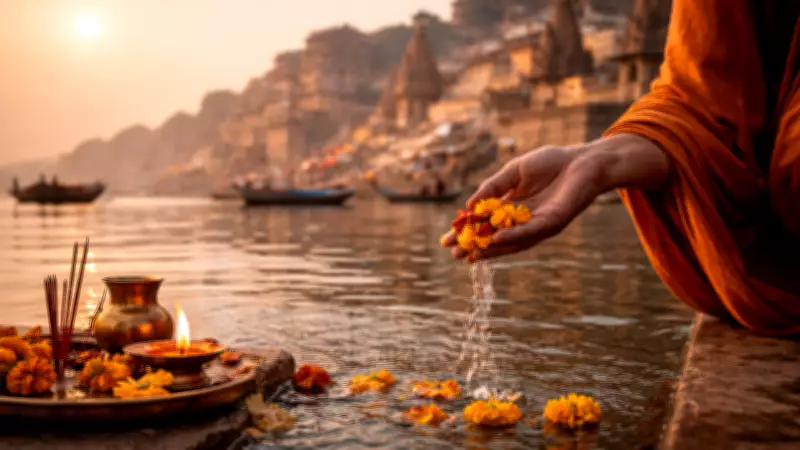
At the ghats of Kashi, Gangajal is freely accessible, but there is seldom active encouragement to carry it home. The emphasis is typically on taking a holy dip, offering prayers, or immersing offerings in the river. The transformative experience is meant to occur within the devotee, not within the container they carry. Spiritual traditions often stress inner carrying—internalizing blessings and lessons—over physical transport. The true blessing is believed to settle within the individual, not within a bottle of water.
Ecological Considerations Add Another Layer
Beyond spiritual beliefs, practical ecological concerns also come into play. Gangajal collected in plastic bottles, stored for prolonged periods, or transported without proper care can degrade over time. The sanctity attached to the water may clash with the reality of improper storage, potential contamination, and eventual disposal—sometimes into sinks or drains. Such actions, however unintentional, can be viewed as disrespectful. True reverence for sacred elements involves thoughtful management of their use and presence in our lives. Water, by its nature, is meant to flow and should not be trapped indefinitely.

Traditional Alternatives to Bringing Gangajal Home
Many spiritual teachers and guides suggest alternatives that align more closely with traditional practices:
- Offer prayers at the Ganga River itself rather than transporting the water home.
- Use Gangajal only when specifically required for a ritual, sourcing it fresh if possible.
- Carry symbolic items like rudraksha beads, vibhuti (sacred ash), or temple ash instead.
- Let the memory and spiritual impact of the visit become the lasting presence, rather than a physical container.
Faith is not diminished by restraint. Choosing not to bring Gangajal home is not a rejection of belief; in many ways, it serves as a quiet affirmation of reverence. It acknowledges that some spiritual forces retain their power precisely because they are not owned, stored, or controlled. Kashi teaches the value of surrender over possession, while the Ganga exemplifies flow over containment. Viewed through this lens, leaving Gangajal where it belongs can favor deep faith over mere hesitation. Sometimes, true devotion lies not in what we carry back with us, but in what we are willing to leave behind.