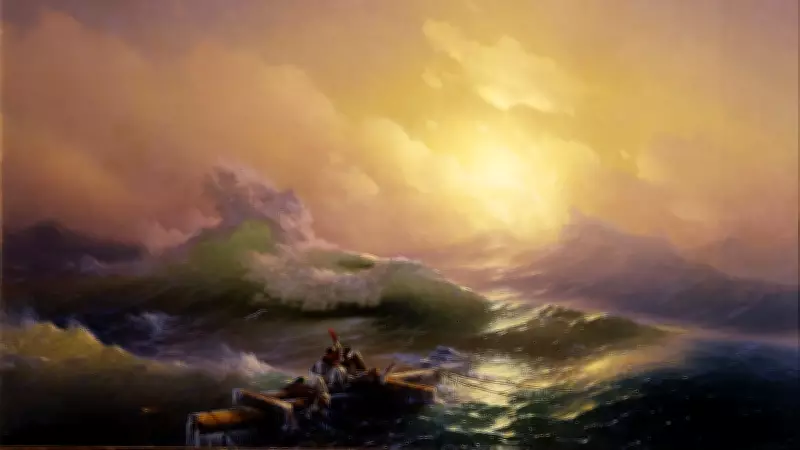
The Tsar of the Waves: A Comprehensive Look at Maritime Heritage
In the vast expanse of the world's oceans, few figures have captured the imagination of historians and enthusiasts alike as the Tsar of the Waves. This title, steeped in maritime lore, represents a pivotal era in naval history, where power, exploration, and cultural exchange converged on the high seas. The story of the Tsar of the Waves is not just about a single ruler or ship; it is a narrative that intertwines with the broader tapestry of global seafaring traditions, offering unique insights into how maritime activities have shaped civilizations over centuries.
Historical Context and Significance
The concept of the Tsar of the Waves emerged during a period when naval dominance was a key factor in geopolitical strategies. Historically, tsars and other monarchs often sought to expand their influence through maritime prowess, leading to the development of advanced fleets and exploration missions. This era saw the rise of powerful naval empires that controlled trade routes, facilitated cultural exchanges, and engaged in conflicts that reshaped world maps. The Tsar of the Waves symbolizes this golden age of seafaring, where innovation in shipbuilding and navigation techniques allowed for unprecedented voyages across uncharted waters.
One of the most notable aspects of this maritime history is the cultural impact it had on societies around the globe. As ships sailed from port to port, they carried not only goods but also ideas, art, and traditions. This led to a rich fusion of cultures, evident in the architectural styles, culinary practices, and artistic expressions found in coastal regions. The Tsar of the Waves played a crucial role in this exchange, acting as a catalyst for the spread of knowledge and the blending of diverse heritages. Today, this legacy is preserved in museums, historical records, and oral traditions that continue to inspire modern maritime enthusiasts.

Key Elements of Maritime Culture
To fully appreciate the story of the Tsar of the Waves, it is essential to understand the key elements that define maritime culture. These include:
- Shipbuilding Techniques: The development of sturdy vessels capable of withstanding long voyages was a hallmark of this era. Innovations in design and materials allowed for greater speed and durability.
- Navigation and Exploration: Advances in cartography and celestial navigation enabled sailors to traverse vast distances with increased accuracy, leading to the discovery of new lands.
- Trade and Economy: Maritime routes became the backbone of global trade, facilitating the exchange of spices, textiles, and other commodities that fueled economic growth.
- Art and Literature: The sea has long been a muse for artists and writers, with tales of adventure and exploration inspiring countless works of art, poetry, and novels.
These elements collectively contributed to the enduring legacy of the Tsar of the Waves, highlighting how maritime activities have been integral to human progress and cultural development.
Modern Relevance and Preservation Efforts
In contemporary times, the story of the Tsar of the Waves remains relevant as societies continue to grapple with issues related to maritime heritage and conservation. Efforts to preserve historical ships, documents, and artifacts are crucial in keeping this history alive for future generations. Organizations and governments worldwide are investing in initiatives to protect underwater archaeological sites and promote maritime education, ensuring that the lessons from the past are not forgotten.
Moreover, the Tsar of the Waves serves as a reminder of the importance of sustainable practices in modern seafaring. As climate change and environmental concerns pose new challenges, there is a growing emphasis on balancing economic activities with ecological preservation. By studying historical maritime practices, we can glean insights into how to navigate these issues responsibly, fostering a harmonious relationship between humanity and the oceans.

In conclusion, the Tsar of the Waves is more than just a historical figure; it is a symbol of the enduring human spirit of exploration and innovation. Through a detailed examination of maritime history and culture, this article sheds light on the profound impact that seafaring has had on our world, encouraging readers to appreciate and preserve this rich heritage for years to come.