The Temple of Pythons: A Sacred Sanctuary Where Snakes Are Divine
In the heart of West Africa lies a remarkable spiritual site where religion, history, and living tradition intertwine with the serpentine grace of pythons. The Temple of Pythons stands as a rare sacred place where these reptiles are not feared but revered as embodiments of divinity and protection.
Vodun Roots and Spiritual Significance
The temple is deeply connected to Vodun, a spiritual tradition practiced across West and Central Africa, particularly in Benin, Togo, and Ghana. Through the African diaspora, Vodun beliefs traveled to the New World, influencing spiritual systems like Haitian Vodou and Louisiana Voodoo. Within this belief system, snakes are sacred symbols of protection, balance, and spiritual mediation.
At the core of Vodun theology stands Dan, the rainbow serpent—a powerful intermediary being that bridges our world with the realm of spirits. Pythons, associated with this cosmic force, are worshipped as living divinity rather than creatures to be controlled or confined.

Legends of Protection and Providence
Local lore enriches the temple's history with captivating tales. One popular legend dates back to the 1700s when the king of Ouidah was fleeing enemies during wartime. As he sought refuge in a sacred forest, pythons miraculously emerged from the underbrush, surrounding and protecting him from capture. Grateful for this divine intervention, the king ordered monuments to be built honoring the snakes, eventually evolving into today's Temple of Pythons.
Another story tells of a woman escaping war and famine who encountered a python in the bush and brought it home. By night, the snake would slither through fields, consuming rodents and pests, thereby helping crops flourish. Over time, the python came to be regarded not merely as a protector of food but as a spiritual guardian.
The Temple Today: Architecture and Rituals
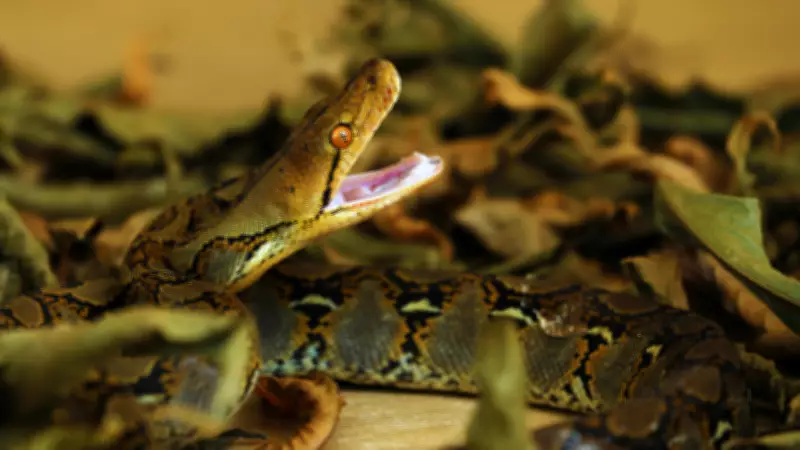
Presently, the Temple of Pythons is a modest concrete structure with a clay roof. Inside, a pit houses dozens of royal pythons—prized for their calm, docile nature—coiled peacefully together. Approximately 60 pythons reside at the temple, making it home to the largest congregation of sacred pythons in Benin.
Priests do not feed the snakes directly. Instead, they are released on a scheduled basis, typically at night, to hunt mice, rats, and other pests in the town. It's common for pythons to wander into village houses, where they are welcomed as honored visitors rather than causing panic.
Visitor Experience and Cultural Practices
Contrary to widespread fears, these pythons pose no danger to people. They are non-venomous and possess a gentle disposition. Visitors can hold the snakes after a brief hand-purification ritual and, for a fee, have their photographs taken. Guides assist to ensure both visitor comfort and snake protection.
Beyond being a tourist attraction, the temple remains an active worship site. Some structures within the complex are open to the public, while others are reserved solely for prayer. According to temple guides, the pythons are ceremonially released once a month in rituals dating back centuries, believed to purify the town.
A Symbol of Heritage and Harmony
In Ouidah, snakes are not emblems of danger or deceit but protectors, spiritual intermediaries, and living reminders of the town's layered past. The Temple of Pythons represents one of those rare places where myth and faith coexist harmoniously, free from fear. It stands as a testament to a unique cultural heritage where humans and pythons share a sacred bond of reverence and coexistence.