The Spirit of Service Before Self: A Journey with Ramakrishna Mission
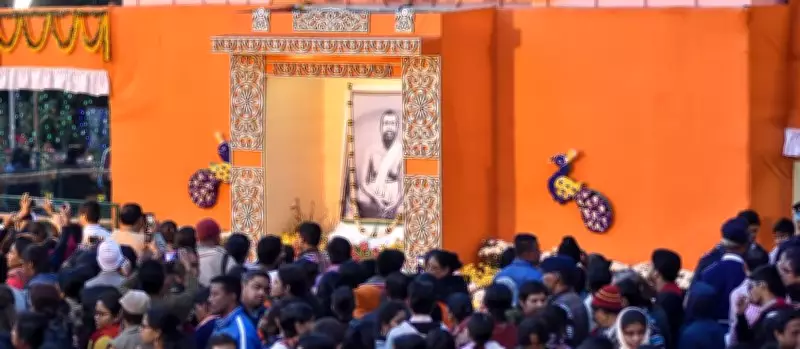
The recent annual celebrations at the Ramakrishna Mission in Chandigarh transported me back five decades to Kanyakumari, where the confluence of three oceans creates a majestic embrace. Standing there, retracing the steps of the spiritual giant Swami Vivekananda, I felt a profound stillness that defied the roaring winds, a moment that encapsulated the mission's timeless essence.
Historical Foundations of Service
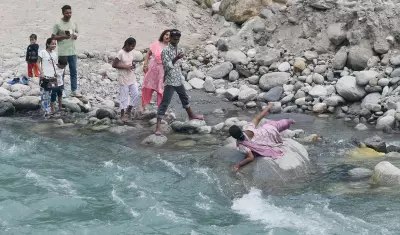
In 1892, Vivekananda fearlessly plunged into shark-infested waters to swim to a huge basalt rock, where he meditated for three days in the Dhyana Mandapam. During this intense silence, he realized a profound truth: religion becomes a hollow shell unless it actively feeds the hungry and uplifts the downtrodden. His clarion call, "Arise, awake and stop not till the goal is reached", echoes through the ages as a personal command to all seekers of truth.
At the 1893 Parliament of Religions in Chicago, Vivekananda, known as the "Cyclonic Monk", dissolved barriers with five simple words: "Sisters and Brothers of America". This moment projected India as the spiritual cradle of the world, transforming the young seeker Narendranath Dutt into Vivekananda, guided by the God-intoxicated mystic Sri Ramakrishna Paramahamsa.

Core Philosophy and Inspirational Acts
I am always deeply moved by the account of Ramakrishna's 1868 journey to Kashi. On the way, when he encountered starving, famine-stricken villagers in Deoghar, he wept and refused to proceed to the "Holy City" until his patron fed and clothed them all. Declaring, "In these people, I see the living God", this spark ignited the Mission's core philosophy: "Shiva Jnane Jiva Seva" (to serve man is to worship God).
In the holy trinity of the mission, Ma Sarada Devi serves as the anchor. A village girl married at six, she reached the pinnacle of spirituality through total surrender to Ramakrishna. She stated, "I am here to be his sahadharmini and help him in his path". After his passing, she became the prime force for both monks and householders, embodying her own words: "I am the mother of the wicked, as I am the mother of the virtuous".
Personal Engagement and Modern Relevance
My family's journey with the Ramakrishna Mission began in the 1960s through my wife's frequent visits to the Ashram. Soon, the core teachings became the center of our lives. Watching our younger son imbibe the value of "work is worship" in the Bala Sangha started by Swami Sastranandaji reaffirmed my faith in the Mission's crucial role in shaping India's future generations.
In the 1980s, facing stiff competition for Rotary directorship, I sought Swami Sastranandaji's guidance. He handed me a compass of three questions:
- Are you capable of the position?
- Will you contribute meaningfully?
- Will it make you a better person?
He advised, "If the answers are in the affirmative, go ahead". These questions have guided all my decisions ever since, illustrating how spiritual principles can inform practical leadership.
On my 85th birthday, Swami Brahmeshanandaji suggested it was time for me to embark on Vanaprastha. I humbly submitted that for me, work was a form of prayer, leading him to jokingly bestow the title of "modern sanyasi".
Service Initiatives in Chandigarh
The services offered by the Ramakrishna Mission in Chandigarh are a testament to its enduring philosophy. These include:
- A free homoeopathy clinic providing accessible healthcare.
- Financial help to deserving students for education, empowering future leaders.
- The Vivekananda Health Centre, where the underprivileged receive dignified and quality treatment.
These initiatives reaffirm the philosophy from Dakshineswar: spirituality is not an escape from the world but is fundamentally about Jiva Seva (service to living beings). While serving as president of the managing committee, I have realized that leadership is not about power; it is about being a humble instrument of the divine, channeling efforts towards collective upliftment.

The writer, a former world president of Rotary International, reflects on how the Ramakrishna Mission's ethos of service before self continues to inspire and transform lives, bridging historical wisdom with contemporary action in a world that deeply needs compassion and dedication.