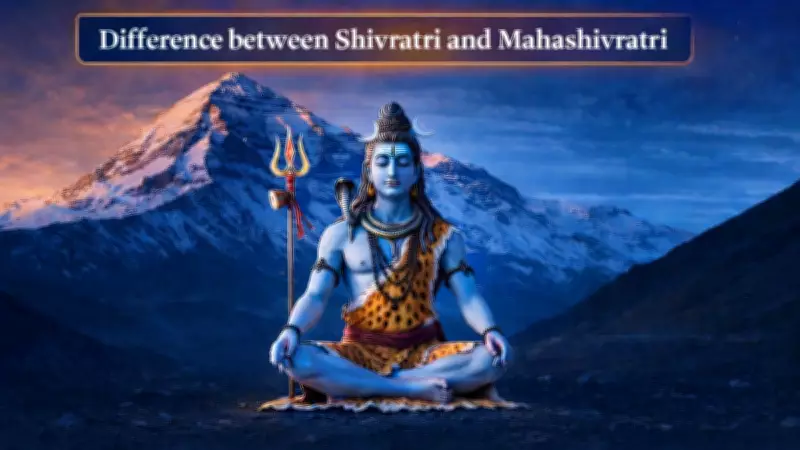
Understanding the Distinction: Shivratri vs Mahashivratri
In Hindu spiritual traditions, festivals dedicated to Lord Shiva hold profound significance, with Shivratri and Mahashivratri being two of the most revered observances. While both are deeply rooted in devotion to Shiva, they differ in frequency, spiritual emphasis, and ceremonial practices, offering unique pathways for worship and reflection.
Frequency and Timing of Observance
Shivratri is celebrated every lunar month on the 14th day of the dark fortnight (Krishna Paksha), making it a monthly event that occurs twelve times a year. This regular observance allows devotees to engage in consistent spiritual practices, focusing on purification and connection with Shiva. In contrast, Mahashivratri is an annual festival that falls once a year, typically in February or March, marking a grand celebration of Shiva's cosmic dance and divine grace. The singular nature of Mahashivratri amplifies its importance, drawing millions of devotees worldwide for intense worship and festivities.
Spiritual Significance and Themes
The spiritual core of Shivratri centers on personal devotion and inner transformation. It is a time for fasting, meditation, and chanting of mantras like "Om Namah Shivaya," aimed at overcoming ignorance and attaining spiritual clarity. Mahashivratri, however, carries a broader cosmic significance, commemorating the night when Shiva performed the Tandava (the dance of creation, preservation, and destruction). This festival symbolizes the triumph of light over darkness and encourages communal worship, with themes of renewal and universal harmony taking center stage.

Rituals and Observances
Devotees observe Shivratri with relatively simpler rituals, often involving:
- Fasting from sunrise to sunset
- Offering milk, water, and bel leaves to Shiva Lingam
- Night-long vigil with prayers and hymns
Mahashivratri, on the other hand, is marked by more elaborate ceremonies, including:
- Grand processions and temple decorations
- Special pujas and abhishekams (ritual baths) with sacred substances like honey and ghee
- Cultural performances and spiritual discourses that enhance the festive atmosphere
These differences highlight how Shivratri serves as a monthly spiritual recharge, while Mahashivratri acts as an annual pinnacle of devotion, blending personal piety with collective celebration.
Cultural and Mythological Context
Mythologically, Shivratri is linked to stories of Shiva's benevolence, such as saving the world from poison during the Samudra Manthan. Mahashivratri is often associated with the marriage of Shiva and Parvati, symbolizing the union of consciousness and energy. Culturally, Mahashivratri sees widespread participation across India, with major celebrations at temples like Kashi Vishwanath and Somnath, whereas Shivratri is observed more quietly in homes and local shrines.
In essence, while both festivals honor Lord Shiva, Shivratri offers a regular opportunity for personal spiritual growth, and Mahashivratri provides a grand, once-a-year occasion for communal worship and cosmic reflection. Understanding these distinctions enriches the devotional experience, allowing practitioners to engage more meaningfully with these sacred traditions.