Sheetla Ashtami 2026: The Ancient Festival of Stale Food for Summer Wellness
On March 11, 2026, millions across India will partake in a unique culinary tradition: consuming stale food. This practice is central to Sheetla Ashtami, a Hindu festival dedicated to Goddess Sheetla Mata, celebrated on the eighth day of Krishna Paksha in the month of Chaitra, typically a few days after Holi. The festival underscores the timeless adage, "Let food be thy medicine," attributed to Hippocrates, by using food as a preventive health measure.
What is Sheetla Ashtami and Its Significance?
Sheetla Ashtami honors Goddess Sheetla Mata, revered as a protector against diseases such as smallpox, infections, and seasonal ailments. The name "Sheetla" translates to "cooling," symbolizing the goddess's ability to soothe fevers and shield devotees from epidemics. This festival reflects ancient Indian wisdom in maintaining hygiene and seeking divine intervention during seasonal transitions when illness risks were high.
The Ritual of Eating Stale or Cold Food
The cornerstone of Sheetla Ashtami is the consumption of Basoda or Basi Bhojan, which means stale food. On the eve of the festival, known as Saptami, families prepare a specific set of dishes. These are left overnight and offered to Goddess Sheetla Mata the next morning before being eaten. This ritual is believed to prepare the body for the impending summer heat, acting as a natural detoxifier and boosting immunity.

Traditional Dishes Prepared for the Festival
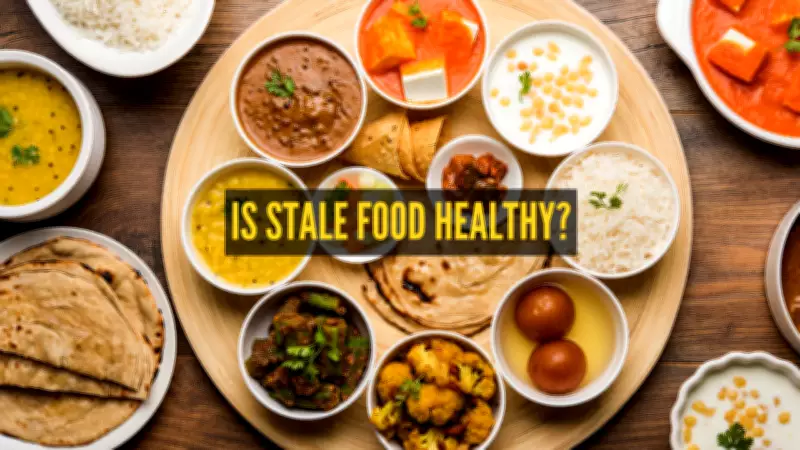
On Saptami, a variety of foods are cooked to be consumed stale the following day. Common dishes include:
- Poori: Deep-fried bread
- Pua: Sweet pancakes
- Sweet Rice: Aromatic rice with sugar or jaggery
- Chana: Spiced chickpeas
- Halwa: Semolina or carrot-based dessert
- Dal: Lentil curry
These items are chosen for their nutritional value and ease of preservation, aligning with the festival's health-focused ethos.
Rituals and Practices on Sheetla Ashtami
The festival commences with an early morning puja (worship) dedicated to Goddess Sheetla Mata. Devotees offer the stale food along with neem leaves, renowned for their medicinal and purifying properties. This combination is thought to enhance protection against diseases. The practice not only fosters spiritual devotion but also promotes community bonding and adherence to traditional health practices.
Sheetla Ashtami serves as a reminder of India's rich cultural heritage, where festivals intertwine with wellness. By eating stale food on March 11, 2026, participants honor ancient beliefs that blend spirituality with practical health measures, ensuring readiness for the summer season ahead.