University of Chicago Scholar Challenges Tamil Origin Theory of Kannada Language
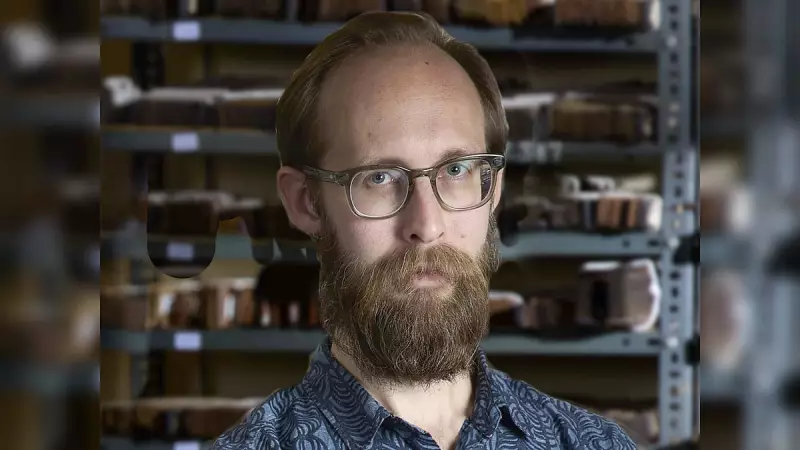
A prominent academic from the University of Chicago has sparked a significant linguistic debate by asserting that a detailed study of grammar does not support the long-held claim that the Kannada language originated from Tamil. This scholarly intervention comes at a time when historical linguistics in South India is under renewed scrutiny.
Academic Expertise and Current Project
The professor, whose research focuses on classical Indian languages, is currently engaged in a collaborative project with fellow scholar Sarah Pierce Taylor. Together, they are working on a new and authoritative translation of Kavirajamarga, a seminal 9th-century Kannada treatise on poetics and literary theory. This work is considered foundational to Kannada literature and provides crucial insights into the language's early structure and usage.
The core of the argument presented by the University of Chicago academic hinges on a meticulous grammatical analysis. By examining the syntactic and morphological features of ancient Kannada texts, including Kavirajamarga, the scholar contends that the evidence points to an independent developmental trajectory for Kannada, rather than a direct descent from Tamil.

Implications for Dravidian Linguistics
This challenge to the Tamil-origin theory has profound implications for the understanding of the Dravidian language family. The prevailing academic narrative has often positioned Tamil as a mother language or a significant progenitor for other South Indian languages like Kannada, Telugu, and Malayalam.
The scholar's analysis suggests:
- A re-evaluation of historical language contact and influence patterns in ancient South India.
- The possibility of Kannada developing its distinct grammatical framework parallel to, rather than derived from, Tamil.
- New avenues for research into the pre-historic roots of the Dravidian language family as a whole.
Context and Scholarly Debate
The debate touches on sensitive issues of linguistic identity and cultural history in Karnataka and Tamil Nadu. Kavirajamarga itself, as a work from the Rashtrakuta Empire, represents a high point of classical Kannada scholarship and is a source of great cultural pride.
This new scholarly perspective, emerging from a prestigious international institution like the University of Chicago, is likely to invigorate discussions among:
- Historical linguists specializing in South Asian languages.
- Philologists working on classical Indian texts.
- Cultural historians interested in the formation of regional identities.
The ongoing translation project of Kavirajamarga by the professor and Sarah Pierce Taylor is expected to provide even deeper textual evidence to support this grammatical argument, potentially reshaping academic consensus on the origins of one of India's major classical languages.