The Historical Roots of Easter Eggs: From Medieval Abstinence to Modern Treats
Long before the advent of chocolate hens and festive egg hunts, the Easter egg was a profound symbol shaped by faith, fasting, and survival. In medieval Europe, eggs were strictly forbidden during Lent, the 40-day period of abstinence preceding Easter. To preserve them, households would boil or store eggs, later decorating and gifting them on Easter Sunday to celebrate the end of restraint and the promise of new life. This practice transformed the egg into a powerful metaphor for resurrection, with its sealed shell representing the tomb and its breaking signifying rebirth.
German Innovations and the Rise of Marzipan
By the 16th century, German traditions introduced egg hunts and elaborate decorative practices, enriching Easter celebrations. Concurrently, marzipan—a luxurious sweet almond paste molded into fruits and eggs—gained popularity across Europe as a festive confection tied to special occasions. Chocolate eggs emerged much later in the 19th century in France and Britain, following advancements in cocoa processing that enabled intricate molding.
Colonial Influence and the Arrival in Pune
These traditions journeyed to India through British colonial networks, taking root in cantonment towns like Pune. In areas such as Camp, colonial bakeries began crafting marzipan Easter eggs using a blend of ground almonds, sugar, and egg white, kneaded into a smooth paste and hand-shaped, often dyed in soft pastel hues. For decades, this practice symbolized a blend of colonial heritage and local adaptation.

The Economic Shift: Rising Costs and Changing Demand in Pune
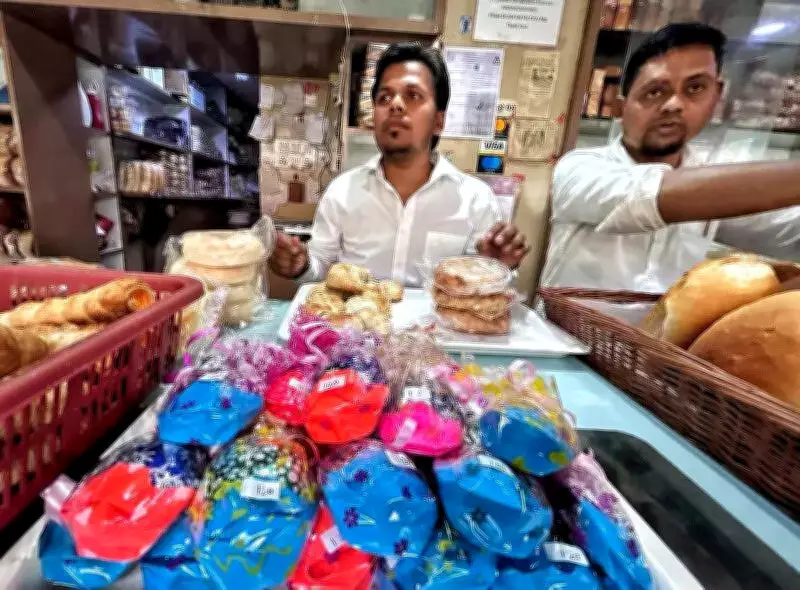
However, recent years have witnessed a dramatic transformation. Yusuf Mirdehghan, co-owner of the 94-year-old Husseny Bakery in Camp, explained to TOI: "Almonds have become very expensive over the last five years. We stopped making marzipan Easter eggs in 2022 and now only sell chocolate eggs, which are in high demand. Hardly anyone wants marzipan varieties anymore. Churches and establishments distributing Easter eggs seek cheaper options, and people prefer chocolate for gifting."
Soaring Almond Prices and Production Challenges
The economics behind this shift are stark. Almond prices have climbed steadily from approximately Rs 500–Rs 700 per kilogram in 2020 to Rs 900–Rs 1,100 per kilogram in early 2026, with premium varieties reaching even higher. This surge has turned what was once a festive indulgence into a costly gamble for small bakeries, especially as demand fails to support production.
Legacy Bakeries Adapt or Abandon the Tradition
Reflecting a broader trend among legacy establishments, Astaad from City Bakery noted: "We have stopped selling Easter eggs altogether. Bakeries have either shifted entirely to chocolate or stepped away from the tradition. Even newer, high-end bakeries that once experimented with marzipan have quietly discontinued it this year."
Customer Perspectives and the New Normal
Customers in Pune have noticed this change firsthand. Sheila D'Souza, a resident of Camp, shared: "I went looking for marzipan eggs like I used to buy every year, but I could not find them anywhere. All I saw were colorful chocolate eggs." This sentiment underscores a shift in consumer preferences and availability.
Reinvention Over Ritual: The Future of Easter Eggs in Pune
Today, Easter eggs in Pune are less about ritual and more about reinvention. What began as a symbol of restraint and rebirth has evolved into a narrative of changing tastes, rising costs, and a city quietly trading almond paste for chocolate sheen. This transition highlights how global traditions adapt to local economic realities and cultural shifts, ensuring that the essence of celebration endures, even as its forms transform.