Papamochani Ekadashi 2026: A Sacred Day for Lord Vishnu Devotees
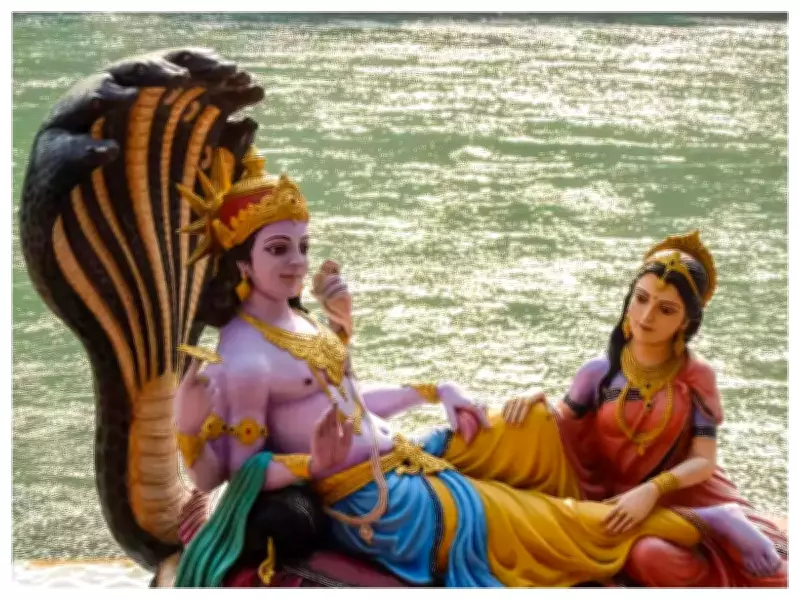
Ekadashi is a revered day in Hinduism dedicated to honoring Lord Vishnu, the preserver in the divine trinity. On this auspicious occasion, devotees embark on a spiritual journey by observing a fast that commences on the Ekadashi tithi and concludes on the Dwadashi tithi. This period is considered highly propitious for performing all puja rituals associated with Lord Vishnu, offering a pathway to divine blessings and inner cleansing.
Understanding Ekadashi and Its Observances
Throughout the year, there are 24 Ekadashi observances, each bearing a unique name and mythological story. These days hold profound religious significance, providing opportunities for spiritual growth and devotion. In the month of Chaitra, the focus shifts to Papamochani Ekadashi, a particularly sacred observance that devotees will honor on March 15, 2026. This Ekadashi is renowned for its power to absolve sins and purify the soul, making it a pivotal event in the Hindu calendar.
Papamochani Ekadashi 2026: Date and Time Details
The observance of Papamochani Ekadashi follows a precise timetable rooted in Vedic traditions. Devotees must adhere to these timings to maximize the spiritual benefits of their fast and rituals.

- Ekadashi Tithi Begins: March 14, 2026, at 08:10 AM
- Ekadashi Tithi Ends: March 15, 2026, at 09:16 AM
- Parana Time: March 16, 2026, from 06:30 AM to 08:54 AM
- Parana Day Dwadashi End Moment: March 16, 2026, at 09:40 AM
These timings are crucial for planning the fast, puja, and breaking of the fast, ensuring alignment with astrological auspiciousness.
The Profound Significance of Papamochani Ekadashi
Papamochani Ekadashi holds immense religious and spiritual importance among Hindus. It is regarded as one of the most sacred days to perform puja dedicated to Lord Vishnu. Devotees utilize this day for spiritual purification, aiming to cleanse their mind, body, and soul by abstaining from all tamasik (negative or impure) activities. The observance begins with fasting and extends to purifying thoughts by avoiding malicious speech, maintaining celibacy to cleanse the body, and eliminating negative thoughts to purify the soul.
This Ekadashi is believed to eradicate all types of sins committed in past or current births. The fast is considered powerful in removing bad karmas and offering a great opportunity for devotees to seek forgiveness from Lord Vishnu. It serves as a spiritual reset, allowing individuals to start anew with a cleansed conscience.
How to Seek Blessings from Lord Vishnu on Papamochani Ekadashi
To fully embrace the blessings of this sacred day, devotees are encouraged to follow specific guidelines that promote righteousness and purity.
- Purify your thoughts by refraining from thinking ill of others.
- Choose to walk on the path of righteousness and ethical conduct.
- Treat everyone with equality and respect, regardless of differences.
- Cultivate pure and sacred thoughts throughout the day.
- Stay away from all tamasik activities and foods, embracing sattvic (pure) alternatives.
These practices help align the devotee's energy with divine vibrations, enhancing the spiritual benefits of the observance.
The Importance of Parana Time
On Dwadashi tithi, devotees break their Ekadashi Vrat during the Parana time, a specific auspicious period detailed in scriptures. Typically occurring in the early morning, this time window is critical for breaking the fast. Adhering to Parana time is believed to be essential for receiving spiritual enlightenment and reaping the full benefits of the Ekadashi observance. It symbolizes the proper conclusion of the fast, marking a transition back to regular routines with renewed spiritual vigor.
Papamochani Ekadashi 2026: Step-by-Step Puja Rituals
Performing puja on Papamochani Ekadashi involves a series of rituals designed to honor Lord Vishnu and invite his blessings. Follow these steps for a meaningful observance.

- Wake up early in the morning and take a holy bath to purify the body.
- Clean your house and puja room thoroughly, creating a sacred environment.
- Wear clean and fresh clothes, then set up an altar for worship.
- Place an idol of Lord Vishnu on the altar, along with a Shree Yantra (symbol of Goddess Lakshmi) and an idol of Lord Ganesha for auspicious beginnings.
- Light a diya (lamp) with desi ghee and invoke the deity by chanting mantras dedicated to Lord Vishnu.
- Recite the Vishnu Sahasranama (thousand names of Vishnu) and the Ekadashi Katha (story of Ekadashi).
- Offer garlands, homemade sweets, and bhog prasad (food offering) to the deity.
- Conclude the puja by reciting an aarti (devotional song) and seeking blessings.
- Engage in charitable deeds, as the day is extremely auspicious for philanthropy.
- Feed a Brahmin or, if not possible, provide food to the needy to help remove bad karma from past or current births.
These rituals foster devotion, gratitude, and spiritual connection, enhancing the overall experience of Papamochani Ekadashi.
Powerful Mantras for Papamochani Ekadashi
Chanting mantras is a key aspect of the puja, helping to focus the mind and invoke divine energy. Here are some potent mantras to recite during the observance.
- Om Namo Bhagavate Vasudevaye..!! – A salutation to Lord Vishnu in his form as Vasudeva.
- Achyutam Keshvam Krishna Damodaram Ram Narayanam Janaki Vallabham..!! – Invoking various names and forms of Vishnu and Rama.
- Ram Ram Rameti Rame Raame Manorame Sahasranama Tatulyam Ram Naam Varanane..!! – Emphasizing the power of Rama's name, equated to a thousand names.
- Hare Ram Hare Ram Ram Ram Hare Hare Hare Krishna Hare Krishna Krishna Krishna Hare Hare..!! – The Maha Mantra, calling upon the divine energies of Rama and Krishna for purification and peace.
Regular recitation of these mantras during the puja can deepen spiritual engagement and bring devotees closer to Lord Vishnu.