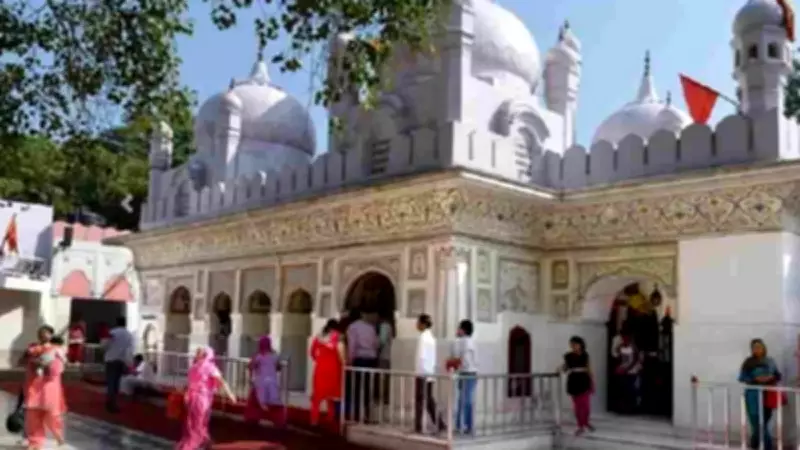
Mata Mansa Devi Temple Bhandara Halted in Panchkula Over LPG Supply Issues
The renowned Mata Mansa Devi temple, a major pilgrimage site in Panchkula, Haryana, has been forced to suspend its daily community kitchen service, known as Bhandara, due to an acute shortage of liquefied petroleum gas (LPG). This unexpected closure has disrupted the temple's long-standing tradition of providing free meals to thousands of devotees and visitors each day.
Impact on Religious Activities and Devotees
The Bhandara, which typically operates from early morning until evening, plays a crucial role in the temple's daily rituals and serves as a vital source of sustenance for pilgrims. With the LPG shortage, temple authorities have announced that the kitchen will remain closed until the gas supply is restored, affecting not only the food distribution but also related religious ceremonies that rely on the kitchen's operations.
Local officials have cited logistical challenges and supply chain disruptions as the primary causes of the LPG crisis, leading to this temporary halt. The temple management is actively coordinating with gas suppliers and government agencies to resolve the issue promptly, but no specific timeline for resumption has been provided yet.

Community Response and Historical Significance
Devotees and local residents have expressed disappointment over the closure, as the Bhandara is an integral part of the temple's cultural and spiritual heritage. The Mata Mansa Devi temple, dedicated to the Hindu goddess Mansa, attracts a large number of visitors year-round, especially during festivals and special occasions, making this suspension particularly impactful.
This incident highlights broader infrastructure challenges in the region, with similar shortages reported in other parts of Haryana recently. Authorities are urging patience and have assured that efforts are underway to normalize the situation, emphasizing the importance of maintaining essential services at religious sites.
In the meantime, temple activities such as prayers and darshan continue as usual, but the absence of the Bhandara has left a noticeable void for many who depend on it for both spiritual and practical needs.