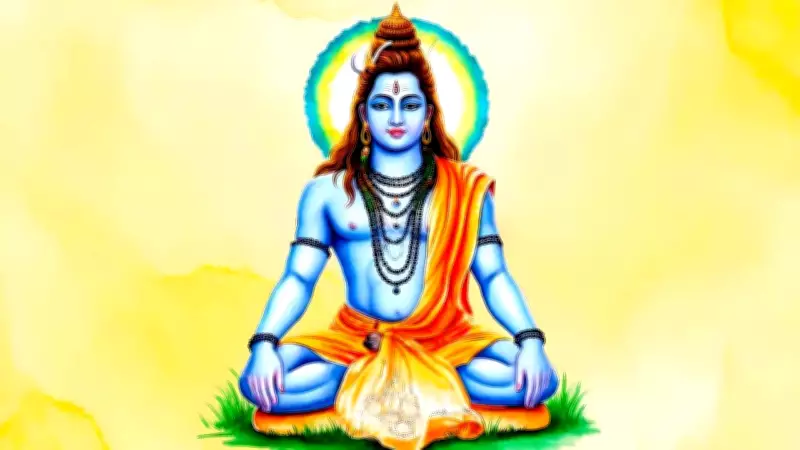
Mahashivratri stands as one of the most spiritually potent nights dedicated to the worship of Lord Shiva, revered as a cornerstone festival in Hinduism. This significant observance is set to occur during the month of Magha according to the Hindu calendar, carrying immense religious and spiritual weight for millions of devotees worldwide.
Understanding Mahashivratri: The Annual Observance
While there are twelve Shivratri observances throughout the year, each falling on the Chaturdashi tithi of the Krishna Paksha, Mahashivratri holds a special place as the "Great Night of Shiva." Many individuals often find themselves uncertain about the exact date for celebrating this festival, leading to confusion. This guide aims to clarify all details, providing precise information on when to observe fasts and engage in devotional practices to seek Lord Shiva's blessings with utmost dedication.
Mahashivratri 2026: Exact Date and Timings
The festival in 2026 is scheduled for February 15, 2026, with the Chaturdashi tithi commencing on February 15 at 05:04 PM and concluding on February 16 at 05:34 PM. It is crucial to note that Mahashivratri emphasizes the night, which is why it is celebrated with fervor during these hours, earning its name as "The Great Night of Shiva." Devotees are advised to observe their fast on February 16, 2026, aligning with the spiritual practices.

Detailed Puja Schedule for Mahashivratri 2026
To assist in proper worship, here is a comprehensive breakdown of the puja timings:
- Chaturdashi Tithi Begins: February 15, 2026 - 05:04 PM
- Chaturdashi Tithi Ends: February 16, 2026 - 05:34 PM
- Ratri First Prahar Puja Time: February 15, 2026 - 06:11 PM to 09:23 PM
- Ratri Second Prahar Puja Time: February 16, 2026 - 09:23 PM to 12:35 AM
- Ratri Third Prahar Puja Time: February 16, 2026 - 12:35 AM to 03:47 AM
- Ratri Fourth Prahar Puja Time: February 16, 2026 - 03:47 AM to 06:59 AM
- Nishita Kaal Puja Time: February 16, 2026 - 12:09 AM to 01:01 AM
- Shivaratri Parana Time: February 16, 2026 - 06:59 AM to 03:24 PM
The Profound Significance of Mahashivratri
Mahashivratri transcends being a mere festival; it is a miraculous night dedicated to Shiva, offering devotees a unique opportunity to seek divine blessings. Often misunderstood solely as the God of destruction, Lord Shiva is, in fact, the greatest of givers. Scriptural narratives highlight his role as Trikaal Darshi, one who foresees the future and its consequences, yet he consistently honored demons by granting them boons when they performed penance.
This exemplifies his compassionate nature, suggesting that pure devotees who worship with full devotion and purity can also receive desired wish fulfillment. Known affectionately as Bholenath, Shiva is easily pleased, even by simple offerings like a bel patra. As this auspicious day approaches, the universe resonates with chants of "Har Har Mahadev," encapsulating the spiritual fervor and devotion that define Mahashivratri.
By adhering to the specified dates and timings, devotees can fully immerse themselves in this sacred observance, harnessing its spiritual power for personal growth and divine connection.