Mahakaleshwar Temple Conducts Eco-Friendly Holika Dahan with Gau Kasht
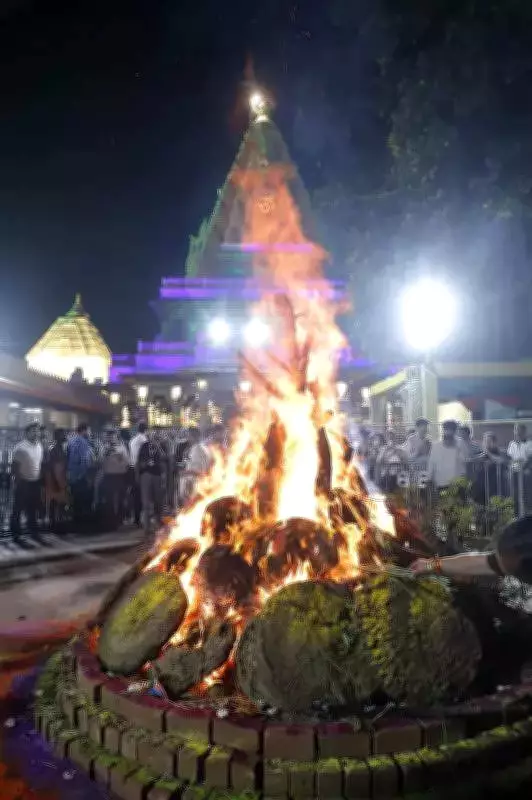
In a significant religious event, the Mahakaleshwar Temple in Ujjain, Madhya Pradesh, performed the traditional Holika Dahan ritual with a unique twist by using Gau Kasht, or cow dung cakes, to light the sacred fire. This ceremony, held ahead of the Holi festival, highlights a blend of ancient customs with modern environmental awareness, drawing devotees and attention from across the region.
Ritual Details and Significance
The Holika Dahan, a key pre-Holi ritual symbolizing the triumph of good over evil, was conducted with meticulous adherence to Vedic traditions. Temple priests led the proceedings, chanting hymns and offering prayers to invoke divine blessings. The use of Gau Kasht, considered pure and auspicious in Hindu culture, added a layer of sanctity and sustainability to the event. This practice not only honors religious beliefs but also promotes eco-friendly alternatives to conventional materials, reducing the environmental impact of such large-scale ceremonies.
Community Participation and Cultural Impact
Devotees gathered in large numbers at the temple premises, participating in the rituals with fervor and devotion. The event fostered a sense of community and cultural pride, as people from various backgrounds came together to celebrate. Local authorities ensured smooth arrangements, including security and crowd management, to maintain the spiritual ambiance. This Holika Dahan at Mahakaleshwar Temple serves as a model for integrating tradition with contemporary values, potentially inspiring similar practices in other religious sites across India.

Broader Implications for Festive Celebrations
The initiative reflects a growing trend towards sustainable practices in Indian festivals, aligning with broader efforts to combat pollution and promote green living. By opting for Gau Kasht, the temple not only upholds religious purity but also contributes to waste reduction and resource conservation. This event underscores the importance of preserving cultural heritage while adapting to modern environmental challenges, making it a noteworthy example for future celebrations nationwide.