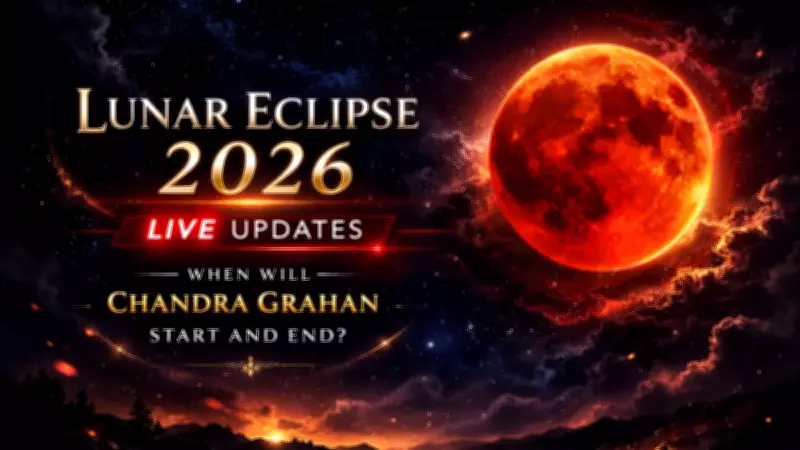
Lunar Eclipse 2026: A Comprehensive Guide to Chandra Grahan Timings and Rituals
The celestial spectacle of a Lunar Eclipse, or Chandra Grahan, is set to grace the skies in March 2026, captivating astronomers and spiritual seekers alike across India. This astronomical event, where the Earth aligns between the Sun and the Moon, casting a shadow on the lunar surface, holds profound significance in Hindu traditions and Vedic astrology. As anticipation builds, here is an exhaustive overview of the eclipse timings, the associated Sutak period, and the essential practices to observe during this period.
Exact Timings of the Lunar Eclipse in India
According to astronomical calculations and predictions from reputable sources, the Lunar Eclipse of March 2026 will be a penumbral eclipse, visible from various regions in India. The event is scheduled to commence in the late evening hours, with the eclipse beginning at approximately 10:15 PM IST on March 14, 2026. The maximum phase, where the Moon is most obscured by Earth's penumbral shadow, will occur around 12:30 AM IST on March 15, 2026. The eclipse will gradually conclude by 2:45 AM IST on March 15, 2026, marking a total duration of about 4 hours and 30 minutes. It is crucial for observers to check local weather conditions and visibility forecasts, as cloud cover or atmospheric factors might affect the viewing experience in certain areas.
Understanding the Sutak Period and Its Implications
In Hindu customs, the Sutak period is a time of inauspiciousness that begins several hours before an eclipse and extends until its conclusion. For the Lunar Eclipse in March 2026, the Sutak is expected to start at around 4:15 PM IST on March 14, 2026, approximately 6 hours prior to the eclipse's onset. During this period, traditional beliefs advise refraining from various activities to avoid negative energies. Key restrictions include avoiding the consumption of food and water, abstaining from cooking or eating pre-prepared meals, and postponing important ceremonies or new ventures. Pregnant women, children, and the elderly are often advised to take extra precautions, such as staying indoors and avoiding direct exposure to the eclipse rays, based on age-old practices aimed at safeguarding health and well-being.

Spiritual and Astrological Significance of Chandra Grahan
Lunar Eclipses are not merely astronomical phenomena but are deeply embedded in spiritual and astrological contexts. In Vedic astrology, or Jyotish, eclipses are considered powerful times for introspection, meditation, and spiritual cleansing. The March 2026 Chandra Grahan is believed to influence the zodiac signs, particularly affecting those with Moon placements in sensitive houses. Astrologers recommend performing specific rituals, such as chanting mantras like the Maha Mrityunjaya Jaap or donating to charity, to mitigate any potential adverse effects and harness positive energies. From a spiritual perspective, eclipses are seen as opportunities for personal transformation, encouraging individuals to let go of past burdens and embrace renewal. Many devotees also engage in prayers and visit temples during this time to seek divine blessings and protection.
Practical Tips for Observing the Lunar Eclipse
For those planning to witness the Lunar Eclipse, here are some practical guidelines to enhance the experience while adhering to traditional norms:

- Viewing Safety: Unlike solar eclipses, lunar eclipses are safe to observe with the naked eye. However, using binoculars or telescopes can provide a clearer view of the Moon's changing appearance.
- Spiritual Practices: Engage in meditation, prayer, or recitation of sacred texts during the eclipse to align with its spiritual essence. Avoid initiating new projects or making significant decisions until after the Sutak period ends.
- Health Precautions: Follow traditional advice regarding food and water intake, especially if you adhere to these customs. Stay hydrated before the Sutak begins and resume normal activities only after the eclipse concludes.
- Community Engagement: Participate in local events or online forums where experts discuss the eclipse's astronomical and cultural aspects, fostering a deeper understanding of this celestial event.
As the Lunar Eclipse of 2026 approaches, it serves as a reminder of the intricate connection between cosmic events and human traditions. By understanding the timings, respecting the Sutak period, and embracing the spiritual significance, individuals can fully appreciate this natural wonder while honoring age-old beliefs. Mark your calendars and prepare for a night of celestial awe and introspection under the shadowed Moon.