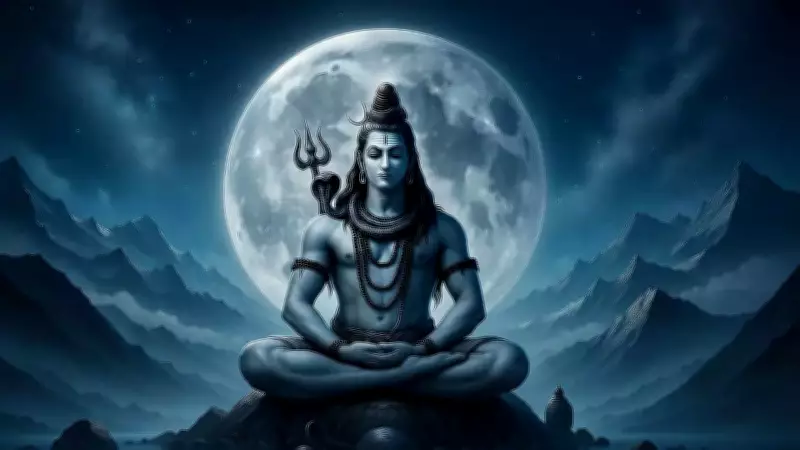
The Eternal Bond Between Lord Shiva and the Moon
The Moon, revered as Chandra in Vedic traditions, shares a profound and eternal bond with Lord Shiva, the Adi Yogi and supreme destroyer of illusion. According to ancient Hindu scriptures including the Puranas, this cosmic link is deeply embedded in spiritual teachings and mythological narratives. This association is primarily symbolized through Lord Shiva adorning Chandra as a crown jewel on his matted hair, offering devotees a powerful metaphor for transcending the mind's constant fluctuations through unwavering devotion and grace.
Shiva as Chandra Shekhara: The Moon-Crowned God
Ancient Hindu mythology recounts a compelling story about Chandra's curse and redemption. The Moon was cursed by his father-in-law, Daksha Prajapati, to wane eternally due to showing favoritism toward only one of his twenty-seven Nakshatra consorts, Rohini. As Chandra began to wither away, he sought refuge at Mount Kailash, the abode of Lord Shiva. In a divine act of compassion and grace, Lord Shiva placed the fading crescent moon upon his own hair locks, thereby halting its decay and granting it a permanent place. This benevolent act earned Shiva the epithet Chandrashekhara, meaning "the one who wears the moon as a crown."
Symbolism of Emotional and Mental Balance
In Vedic philosophy, the Moon is believed to govern manas (the mind), emotions, feelings, and human intuition. Lord Shiva's grace, as demonstrated through his protection of Chandra, teaches practitioners to rise above Kal, the cyclical nature of time that often leads to mental instability. By embracing this divine connection, devotees can transform anxiety and emotional turmoil into meditative bliss and inner peace. This spiritual practice is especially emphasized on Mondays, known as Somvar, which is considered the Moon's day, where specific rituals are performed to harness these calming energies.

Astrological Significance and Remedial Practices
Vedic astrology holds that a weak or afflicted Moon in one's birth chart can lead to emotional disturbances, anxiety, or even lunacy. To counteract these effects, several remedies associated with Lord Shiva are recommended. Performing Rudrabhishek, a ceremonial bathing of the Shiva Linga with sacred substances, is believed to strengthen the Moon's positive influence. Chanting the Chandra mantra, "Om Som Somaya Namah," regularly can also help stabilize emotional health. During lunar eclipses (Chandra Grahan), the bond between Shiva and the Moon is thought to intensify; offering milk to the Shivling is a common practice to pacify the malefic effects of the eclipse's nodal shadows.
Rituals, Worship Practices, and Cultural Observances
Devotees engage in various rituals to honor the Shiva-Chandra connection and seek blessings for mental clarity and emotional stability. Key practices include:
- Offering milk mixed with honey to the Shivling on Purnima (full moon days) or on Mondays while chanting the powerful mantra "Om Namah Shivaya."
- Wearing pearls (moti) after proper astrological consultation, as pearls are associated with the Moon and believed to enhance its beneficial effects.
- Observing Somvar Vrat, a Monday fast, to cultivate discipline and mental focus.
- Participating in festivals like Maha Shivratri and the holy month of Shravan, where fasting, offering bilva leaves, and holding moonlight vigils are common to strengthen this divine association.
Pilgrimages to temples such as Somnath, which embody Shiva as the protector of the Moon, are undertaken by many to absorb healing energies and spiritual solace.
Spiritual Lessons and Broader Implications
The sacred union between Lord Shiva and the Moon imparts profound spiritual lessons for devotees. It emphasizes the importance of surrendering one's ego to divine will, much like the Moon's phases submit to Shiva's eternal grace. This connection is believed to awaken the Sahasrara chakra, the crown chakra, blending lunar intuition with Shiva's infinite consciousness to guide seekers toward moksha, or liberation. Furthermore, this bond is thought to calm Lord Shiva's tandav, the cosmic dance of destruction, fostering a harmonious balance between creation and dissolution, ultimately promoting inner peace and universal equilibrium.