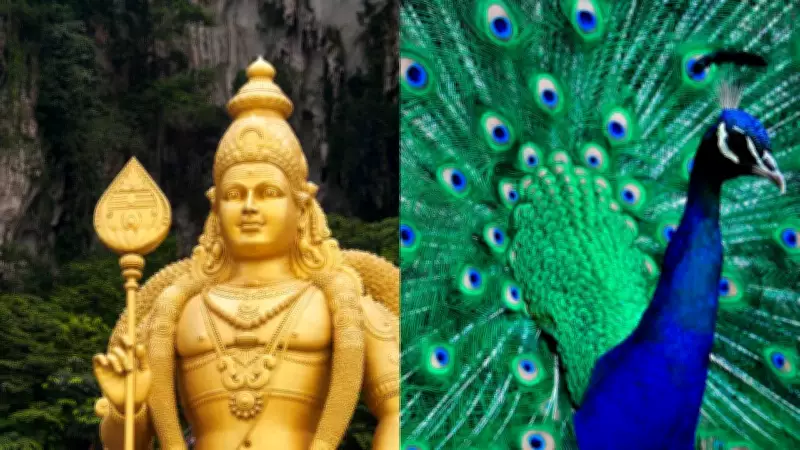
The Divine Connection: Lord Kartikeya and His Peacock Vehicle
In the rich tapestry of Hindu mythology, Lord Kartikeya stands as a powerful deity revered as the God of war and victory. Known by various names including Skanda, Murugan, and Subrahmanya, he is the elder son of Lord Shiva and Goddess Parvati. Among his many symbolic associations, the peacock holds a particularly significant place as his sacred vehicle, representing profound spiritual truths and mythological narratives.
Mythological Origins: The Defeat of Surapadman
The primary mythological account explaining the peacock's association with Lord Kartikeya centers on the epic battle with the demon king Surapadman. This malevolent ruler had terrorized the gods with his extraordinary powers, making him nearly invincible. When Lord Kartikeya confronted Surapadman in combat, his divine spear struck the demon with transformative force.
Upon impact, Surapadman miraculously transformed into a mango tree, which then split into two distinct entities. One half became a magnificent peacock, while the other manifested as a rooster. This transformation symbolizes redemption and forgiveness, as the defeated demon expressed remorse for his actions and sought Lord Kartikeya's mercy. The peacock thus became the god's permanent vehicle, representing the triumph of divine goodness over evil.

Alternative Narrative: Indra's Celestial Gift
Another compelling version of this mythological connection involves Indra, the king of gods. According to this tradition, Indra's celestial bird Paravani played a crucial role in assisting Lord Kartikeya during the battle against Surapadman. As a reward for this loyal service and selfless devotion, the bird was transformed into the peacock that became Lord Kartikeya's vehicle.
This narrative emphasizes themes of loyalty, devotion, and divine reward. The peacock's subsequent association with Lord Kartikeya reflects these virtues, with its vibrant plumage and distinctive vocalizations serving as visible and audible manifestations of divine favor in warfare.
Spiritual and Astrological Significance
Peacock feathers hold extraordinary importance across various Hindu spiritual traditions. They are considered highly auspicious in Vedic Astrology, Vastu Shastra, and numerous spiritual practices. These feathers maintain direct associations with multiple deities including Lord Krishna, Lord Murugan (another name for Kartikeya), and Goddess Saraswati.
In spiritual contexts, peacock feathers function as powerful talismans believed to attract wealth, provide protection, and promote happiness. Their astrological significance connects them with Goddess Lakshmi's benevolent energies and the transformative influences of Rahu and Ketu. Maintaining peacock feathers in one's home environment is thought to channel these positive energies while offering spiritual benefits.
Symbolic Qualities and Cultural Representations
The peacock embodies specific characteristics that perfectly complement Lord Kartikeya's divine nature. As a creature demonstrating remarkable speed, agility, and fearlessness, the peacock represents the essential qualities required for victory in battle. This symbolic partnership creates a powerful synergy between deity and vehicle.
Throughout South India, particularly in revered temples such as Palani and Tiruchendur, artistic depictions show Lord Kartikeya majestically riding his peacock mount. These representations often feature the deity with six heads and twelve arms, adorned with peacock feathers that serve as constant reminders of his courage and martial prowess.
The enduring image of Lord Kartikeya with his peacock continues to inspire devotees to cultivate bravery, protect themselves from negative influences, and pursue success with determination. This divine partnership ultimately reinforces the fundamental spiritual truth that goodness inevitably triumphs over evil, a message that resonates through centuries of Hindu tradition and worship.