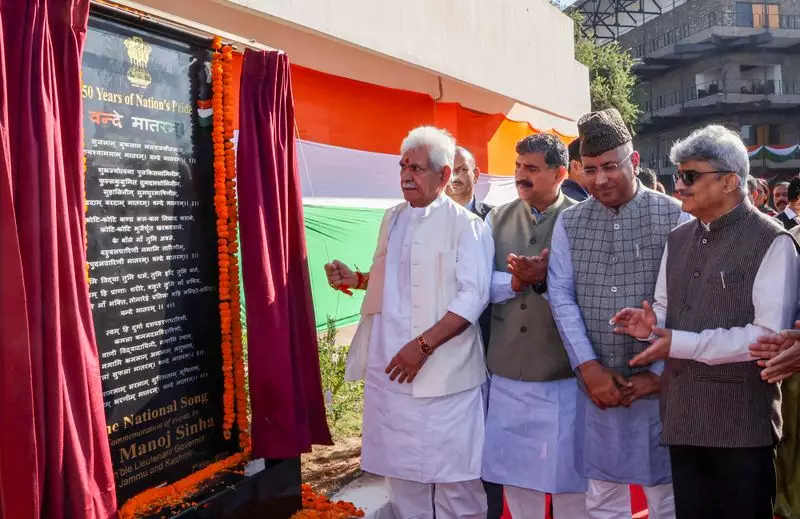
In a powerful address that resonated with patriotic fervor, Jammu and Kashmir Lieutenant Governor Manoj Sinha has emphatically described Vande Mataram as India's eternal symbol of national unity and cultural harmony. The senior administrator's heartfelt tribute to the iconic national song came during a significant public event that highlighted the enduring power of this musical masterpiece in binding together the diverse tapestry of Indian society.
The Historical Significance of Vande Mataram
L-G Manoj Sinha passionately articulated how Vande Mataram has transcended its origins to become a unifying force for all Indians. He emphasized that the song represents much more than just musical notes and lyrics—it embodies the very soul of India's freedom struggle and continues to inspire generations of citizens across the country's vast cultural landscape.
The Lieutenant Governor specifically highlighted how the song's message of devotion to the motherland cuts across regional, linguistic, and religious boundaries. He noted that Vande Mataram has historically served as a rallying cry during India's independence movement and maintains its relevance in contemporary times as a reminder of the nation's shared heritage and common destiny.

Cultural Harmony and National Integration
During his address, Sinha elaborated on the song's role in fostering national integration, particularly in the culturally rich region of Jammu and Kashmir. He stressed that Vande Mataram represents the cultural mosaic that defines India and serves as a constant reminder of the values that bind the nation together despite its remarkable diversity.
The administrator's comments carried special significance given Jammu and Kashmir's unique position in the Indian union. He expressed confidence that the message of Vande Mataram would continue to strengthen the bonds of unity and promote harmony among all communities in the region. The Lieutenant Governor's remarks underscored the administration's commitment to preserving and promoting cultural symbols that unite rather than divide.
Enduring Legacy and Contemporary Relevance
Sinha reflected on the timeless quality of Vande Mataram, noting that its appeal has only grown stronger with passing decades. The song continues to evoke deep emotional responses from Indians of all backgrounds, serving as a musical embodiment of national pride and collective identity.
The Lieutenant Governor observed that in today's rapidly changing world, the values represented by Vande Mataram—devotion to the motherland, respect for diversity, and commitment to unity—are more important than ever. He called upon citizens, particularly the youth, to draw inspiration from the song's message and contribute to nation-building efforts.
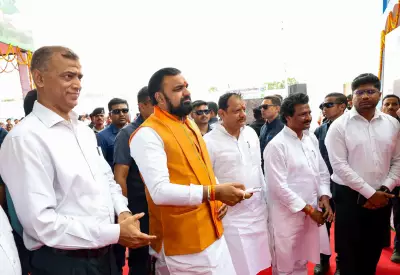
The event where Sinha delivered these remarks saw participation from various sections of society, including community leaders, cultural enthusiasts, and government officials. The atmosphere was charged with patriotic sentiment as attendees reflected on the Lieutenant Governor's powerful message about one of India's most cherished national symbols.
As the program concluded, it was evident that Sinha's words had struck a chord with the audience, reinforcing the position of Vande Mataram as more than just a song, but as a living testament to India's unity in diversity and a source of inspiration for future generations.