Jharkhand's Cultural Renaissance: 25 Years of Tribal Art Evolution
As Jharkhand steps into its 25th year of statehood, the state's most prominent cultural figures and Padma awardees are taking stock of an extraordinary journey that has seen tribal art forms transform from local traditions to globally recognized cultural treasures.
The creation of Jharkhand in 2000, when it separated from Bihar, marked a turning point for the region's rich artistic heritage. Tribal art forms that were once confined to rural areas have now captured attention on national and international stages, creating a cultural renaissance that continues to evolve.
Global Recognition for Traditional Art Forms
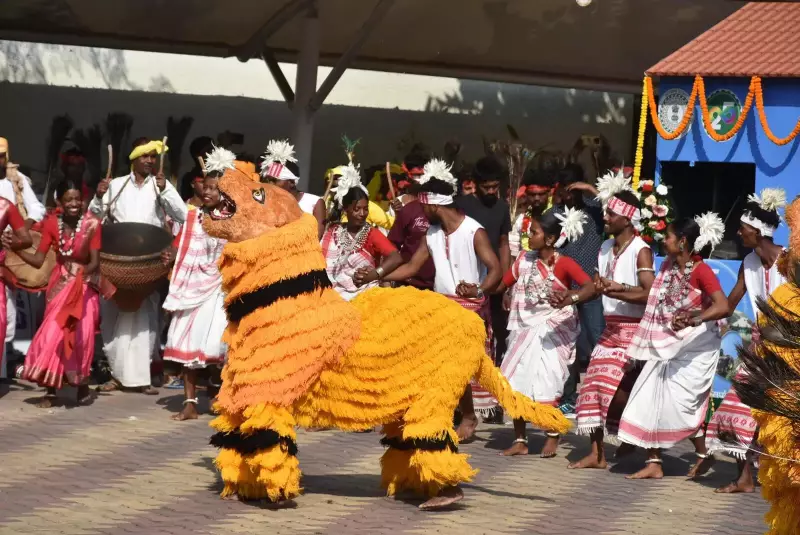
Padma Shri awardee Shashadhar Acharya, a renowned Chhau exponent, emphasized the significant transformation that has occurred since the state's formation. Traditional tribal art forms including dances, songs, and painting styles have gained unprecedented recognition worldwide, according to the celebrated artist.

"The government's initiatives in recognizing artists and encouraging younger generations to engage with traditional art forms have played a vital role in the widespread appreciation of these art forms," Acharya stated. However, he highlighted the need for more structural support, emphasizing that the government must focus on establishing literature, music, drama, and fine arts academies across the state.
These institutions would enable researchers to study many dying art forms and develop strategies to preserve them for future generations, creating a sustainable ecosystem for Jharkhand's cultural heritage.
Safeguarding Cultural Heritage Through Training and Support
Madhu Mansuri, the celebrated Nagpuri folk singer who received the Padma Shri in 2000, pointed to the positive impact of cultural centers established across Jharkhand. The formation of numerous cultural centers and training programs for younger generations has significantly contributed to safeguarding the state's cultural heritage, according to Mansuri.
The folk singer also proposed an important welfare measure for aging artists. "The government should also consider introducing pension schemes for veteran artists, ensuring they can live with dignity once they are no longer able to perform," Mansuri emphasized, highlighting the need for social security for those who have dedicated their lives to preserving traditional arts.
Growing Cultural Identity and Self-Recognition
Nandalal Nayak, a Sangeet Natak Akademi general council member and folk music artist, identified what he considers the most significant transformation in Jharkhand's cultural landscape over the past quarter-century. The growing self-recognition among people as performers of traditional art forms that once reflected their everyday lives represents a profound shift in cultural identity.
This awakening of cultural pride has been instrumental in the preservation and promotion of art forms that were previously practiced mainly within tribal communities. The increased visibility and appreciation have created new opportunities for artists while ensuring that traditional knowledge and techniques are passed down to younger generations.
As Jharkhand celebrates this important milestone, the consensus among cultural leaders is clear: while significant progress has been made in bringing tribal arts to the global stage, systematic institutional support and intergenerational knowledge transfer remain crucial for ensuring these art forms not only survive but thrive in the decades to come.