Dastarkhwan-e-Jahaanuma: An Iftar Gathering Under the Glow of Jama Masjid
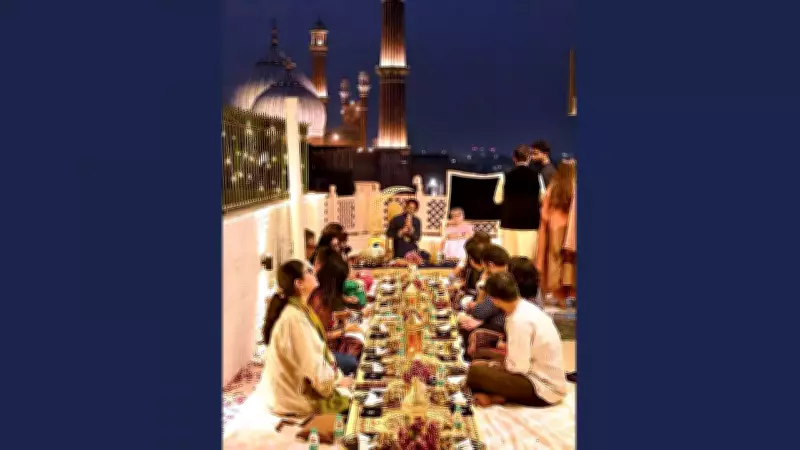
The illuminated dome and minarets of Delhi's historic Jama Masjid provided a breathtaking backdrop for a recent iftar soiree, Dastarkhwan-e-Jahaanuma. Curated by Abu Sufiyan Khan, the founder of Tales of City, the evening transformed into a heartfelt baat-cheet (conversation), where attendees reminisced about childhood memories, cherished foods, and vibrant festive traditions.
A Celebration of Shared Heritage and Community Spirit
Setting the tone for the event, Sufiyan Khan emphasized the cultural significance of the gathering. "Purani Dilli mein dastarkhwan par saath baith kar khaane ka culture raha hai. Through this, we want to bring the community together and share a glimpse of our shared heritage. Dastarkhwan sabke milne se banta hai. It's a mehfil celebrating flavours, stories and memories," he said. Guests shared festive memories while seated around the traditional dastarkhwan (spread), creating an atmosphere of warmth and connection.
Insights on Ramzan's Spiritual and Cultural Dimensions
Historian and author Rana Safvi spoke eloquently about the profound significance of Ramzan moments before a cracker signaled the iftar. "This month detoxifies your soul. It is like a thirty-day school of life, and its teachings, akin to Gandhi ji's 'bura mat dekho, mat bolo, mat suno' and bura mat karo, must be carried through the year," she remarked, highlighting the spiritual lessons embedded in the holy month.

A Culinary Journey Through Purani Dilli's Flavors
Seated on gaddas (cushions) around a hand-painted yellow dastarkhwan, guests savored a lavish spread inspired by dishes from Purani Dilli homes. Prepared by bawarchis (chefs) from Shahjahanabad, the menu featured melt-in-mouth shami kebabs, aromatic biryani, haleem, hari mirch keema with rawa aur maiday ke parathe, and pasanday. A standout highlight was muttanjan, a sweet rice dish cooked with meat, topped with nuts and khoya, traditionally reserved for weddings.
The vegetarian spread included dahi vade, matar pulao, shahi paneer, moong ki phareri dal, aloo ka bharta, zarda, and doodh roti. Sufiyan Khan explained, "Maine apni bachpan ki yaadon ko piroya hai. Jo khaane bazaaron se gayab ho gaye hain, unhe hum dastarkhwan par laaye hain," meaning he wove his childhood memories into the event by reviving dishes that have vanished from markets.
Personal Reflections and Nostalgic Moments
For attendee Zayyan Shah Khan, the setting evoked deep nostalgia. "Yeh peela dastarkhwan mere liye bahut khaas hai. Meri dadi kehti thi ki iss par saath baith kar khaane se barkat hoti hai. Aaj mujhe apna bachpan yaad aa gaya," he shared, recalling his grandmother's wisdom about blessings from communal dining.
Malavika Gopinath, an attendee from Kerala, noted, "Having moved cities often, food has become my way of connecting with a place, especially during festivals." Priya Paul expressed her joy, saying, "Really happy to be able to soak the Ramzan vibes, eat delicious food in Old Delhi. As a family, we are obsessed with food, with influences from multiple cultures. It is exciting." Other guests included Rene Singh, Rana Safvi, Indrani Dasgupta, and Karan Paul.
Historical Context and Cultural Documentation
Adding historical context, Rana Safvi referenced texts like Alwan-e-Nemat and Nuskha-e-Shahjahani, which document balanced diets in royal kitchens, including dishes such as aloo ka bhurta, baingan ka bharta, and cholai ka saag. This underscored the event's connection to India's rich culinary heritage.
Memorable Takeaways and Shared Experiences
Alpana Srivastava, another attendee, reflected, "There is something truly special about Jahaanuma – not just the meal, but the conversations and shared moments." Guests captured the magic of the evening through photographs, freezing moments of warmth and laughter to relive long after the night ended. Additionally, attendees were treated to personalized calligraphy takeaways, adding a unique artistic touch to the experience.

The Dastarkhwan-e-Jahaanuma iftar successfully blended food, storytelling, and community, offering a poignant reminder of the enduring cultural traditions of Purani Dilli and the unifying spirit of Ramzan.