The Hidden World of House Lizards: Where They Secretly Lay Eggs
In countless households, particularly in warmer climates, house lizards have become familiar, almost invisible residents. These small reptiles are frequently observed perched motionless on walls or ceilings, typically positioned near light sources where their insect prey congregates. Despite their prevalence, their daily behaviors and reproductive habits remain largely unnoticed by most homeowners due to their rapid movements and exceptional hiding abilities.
Understanding House Lizard Egg-Laying Preferences
A common question among curious observers concerns where these reptiles deposit their eggs and how they select secure locations for their offspring. By examining their preferred nesting sites, we can unravel why certain areas of homes become attractive to these adaptable creatures. Similar to many reptile species, house lizards favor laying eggs in secluded, undisturbed locations that offer protection and stable environmental conditions.
These sites are typically warm, dry, and experience minimal human traffic. Recognizing these preferred egg-laying locations not only helps identify signs of lizard activity but also provides insight into how these animals have successfully adapted to cohabitate with humans in domestic environments.

Common Egg-Laying Locations Inside Homes
House lizards meticulously seek out secure, concealed spots to deposit their eggs, ensuring protection from predators and environmental disturbances. Typical nesting locations include:
- The rear sections of cabinets and cupboards
- Cracks or crevices within walls
- Areas beneath tables and shelving units
- Spaces behind picture frames or wall decorations
- Small openings or electrical switch boxes
- Corners where ceilings meet walls
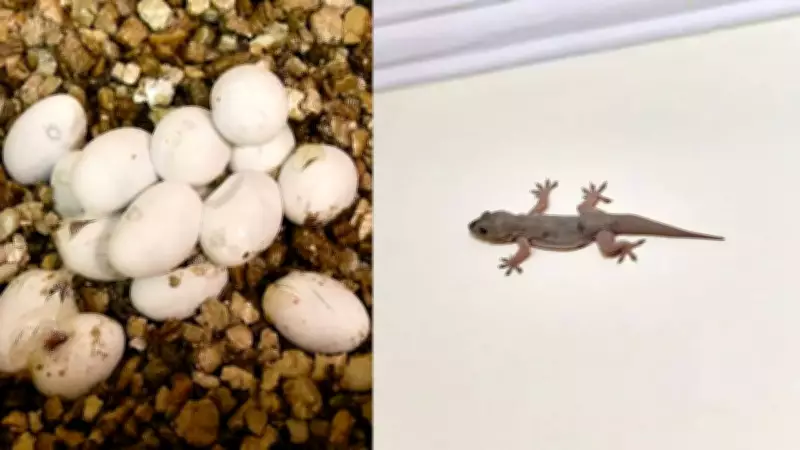
These locations share several characteristics: they remain relatively undisturbed, receive infrequent cleaning, and maintain consistent temperatures crucial for proper egg development. Female house lizards typically lay eggs in pairs, producing small, white, oval-shaped eggs approximately the size of a marble.
Identifying Common Household Lizards
The lizards most frequently encountered in homes belong to the house gecko family, a group of small reptiles that have remarkably adapted to human environments. These geckos typically measure between 7 and 15 centimeters in length and display coloration ranging from light brown to grey, sometimes with semi-transparent qualities that enhance their camouflage against walls and ceilings.
Their specialized toe pads enable them to climb smooth surfaces like tiles, glass, and painted walls with ease. Primarily nocturnal creatures, they're often spotted near artificial lights where insects gather, as these insects constitute their primary food source.
Why Concealed Corners Make Ideal Nesting Sites
The selection of hidden nesting locations represents a critical survival strategy for house lizards. Unlike birds, these reptiles don't construct nests or provide parental care after egg deposition, making undisturbed incubation environments essential.
Secluded spots offer protection from potential predators like ants and spiders while shielding eggs from temperature fluctuations and direct sunlight. The eggs develop optimally in warm, moderately humid conditions—environments frequently found in ceiling spaces, cupboards, and storage areas within homes.
Reproductive Patterns and Egg Characteristics
Most house lizard species lay two eggs per clutch, a pattern consistent across many gecko varieties. During breeding seasons—which can occur multiple times annually in warm climates—females may produce several clutches. Occasionally, multiple females select the same secure location, resulting in clusters of eggs in a single area.
House lizard eggs possess distinctive features:
- White coloration
- Oval or slightly rounded shape
- Hard or leathery exterior texture
- Approximately 1 centimeter in size
Their durable shells protect developing embryos, and their appearance sometimes leads to mistaken identification as small white stones or seeds.

Incubation Period and Hatching Process
Temperature serves as the primary factor influencing incubation duration. Under warm conditions, house lizard eggs typically hatch within 30 to 60 days, though cooler temperatures may prolong this period. Upon hatching, miniature lizards emerge—measuring just a few centimeters but fully capable of independent movement and hunting small insects. These juveniles quickly establish independent lives without parental assistance.
Recognizing Signs of Lizard Nesting Activity
While eggs often remain concealed, several indicators suggest lizard nesting activity:
- Discovery of small white eggs in hidden corners
- Eggshell fragments following hatching
- Frequent lizard sightings in specific areas
- Small droppings on walls or floors (typically dark with white tips)
The white portion of droppings represents uric acid excretion, a characteristic of reptile waste elimination.
Why Homes Attract House Lizards
Residential spaces provide ideal conditions for house lizards through abundant insect populations attracted to artificial lighting, numerous hiding places among walls and furniture, and consistent indoor temperatures that support year-round habitation. These factors create perfect environments supporting lizard populations in close proximity to human occupants.
The Silent Coexistence: Understanding Lizard Adaptation
The nesting behaviors of house lizards typically go unnoticed despite their domestic prevalence. Their preference for undisturbed locations ensures egg safety until hatching, while their small egg size, effective concealment strategies, and rapid juvenile mobility enable them to inhabit human spaces with minimal detection. By comprehending where house lizards lay eggs, we gain valuable perspective on how these resilient reptiles have successfully colonized homes, apartments, and buildings worldwide, maintaining their quiet existence alongside human populations.