Eid ul-Fitr 2026 in India: Awaiting the Crescent Moon for Celebration Dates
Eid ul-Fitr, the grand festival celebrated by Muslims worldwide, signifies the conclusion of Ramadan, the sacred month characterized by fasting from dawn to dusk, devout prayers, and profound introspection. This joyous occasion brings families together in reunion, fills mosques with voices of gratitude, and saturates the atmosphere with the aromas of freshly prepared sweets and savory feasts.
India's Diverse Eid Celebrations: Unity in Tradition
In India, where varied Muslim communities intertwine their customs, Eid serves as a powerful force for neighborhood unity. The exchange of heartfelt "Eid Mubarak" greetings, communal sharing of delicacies like sheer khurma, and children eagerly clutching Eidi envelopes highlight the festival's spirit of togetherness. Amid the vibrant hustle of Chand Raat markets, Eid stands as a poignant reminder of renewal, charitable giving, and enduring bonds.
However, the precise timing of this celebration hinges on the sighting of the crescent moon, leaving many eagerly anticipating whether Eid will unfold as a Friday feast or a Saturday festivity in 2026.

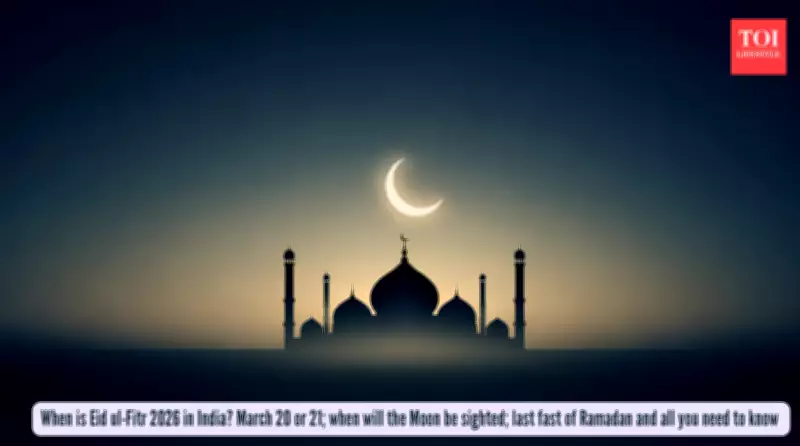
When is Eid ul-Fitr 2026 in India? March 20 or 21 Predicted
Eid ul-Fitr 2026 in India is projected to occur on either March 20 or March 21, contingent upon the visual confirmation of the crescent moon that heralds the start of Shawwal. This "Festival of Breaking the Fast" culminates Ramadan, with the definitive date only established after local Ruet-e-Hilal Committees observe the moon in the evening sky on Chand Raat.
According to the Islamic lunar calendar, months span either 29 or 30 days, making the moon sighting the decisive factor. Astronomical data currently suggests favorable visibility across India on March 20, but official committees in cities such as Delhi, Lucknow, Hyderabad, and Mumbai will render the final verdict following Maghrib prayers. As a gazetted holiday, the date often remains tentative until an official announcement is made.
Why Eid Dates Shift Annually: The Lunar Calendar Explained
The Islamic calendar follows lunar cycles, with months lasting 29 or 30 days, approximately 10-11 days shorter than the solar Gregorian year. Consequently, Eid advances earlier each year in the Gregorian calendar. For 2026, moonwatching is scheduled for the evening of March 19 or 20. If the crescent is sighted, Eid will be celebrated on Friday, March 20. Absence of a sighting results in a 30-day Ramadan, shifting festivities to Saturday, March 21.
The Significance of Eid ul-Fitr: Spiritual Renewal and Community
Eid ul-Fitr commemorates the joyful termination of Ramadan, a period of fasting from dawn to dusk. Muslims break their fast on the first day of Shawwal, marked by the crescent moon sighting. It is a time to express gratitude to Allah, achieve spiritual rejuvenation, and distribute blessings through charitable acts like Zakat al-Fitr.
Families congregate for special prayers, indulge in feasts featuring sweets and biryani, and exchange "Eid Mubarak" salutations. Children receive Eidi gifts, reinforcing familial and community ties. Known as the "Festival of Breaking the Fast," it honors self-discipline, prayer, and compassion, encouraging everyone to propagate kindness after a month of reflection.
Chand Raat: The Festive Prelude to Eid
Chand Raat ignites excitement with late-night markets bustling for new attire, mehendi applications, sweet purchases, and feast preparations. Families bond over shopping and anticipation, transforming the eve into a spectacle of pure exhilaration.
The first day of Eid commences with ritual baths, donning finest attire, distributing Zakat al-Fitr charity, and performing Salat al-Eid prayers at mosques or Eidgahs. The air resonates with "Eid Mubarak!" as people visit loved ones, exchanging dishes such as biryani and sewai. Dubbed "Sweet Eid," it encompasses three days of gift-giving (Eidi for children), feasting, and contemplation, honoring the spiritual growth attained during Ramadan.