Eid-ul-Fitr 2026: India to Celebrate on Saturday as Moon Not Sighted
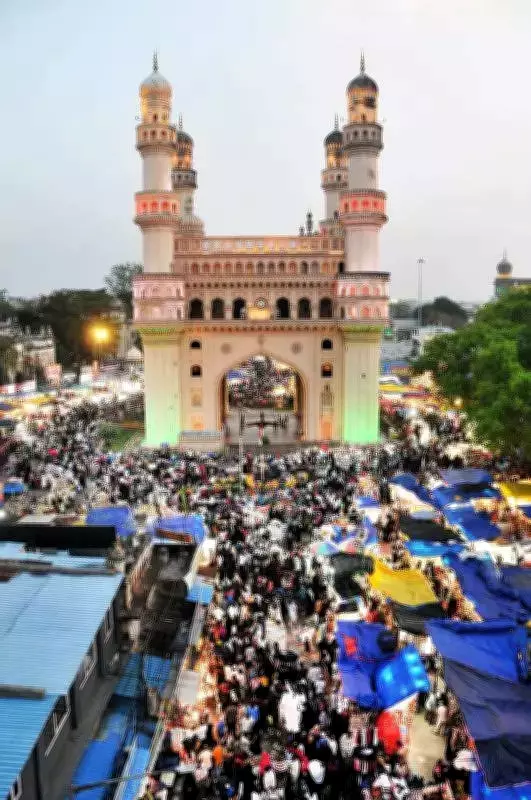
Hyderabad: Eid-ul-Fitr, the joyous festival marking the end of the Muslim holy month of Ramadan, will be celebrated in Hyderabad and throughout India on Saturday, March 21, 2026. This announcement follows the decision by the central moon-sighting committee of Telangana, which convened in Hyderabad on Thursday to determine the start of Shawwal, the tenth month of the Islamic calendar.
Moon-Sighting Committee Declares Eid Date
The committee, led by Maulana Syed Hassan Ibrahim Hussaini Qadri Sajjad Pasha, secretary of the Sadar Majlis Ulema Deccan, confirmed that the crescent moon was not sighted in Hyderabad or anywhere else in India. Consequently, Friday, March 20, will be observed as the 30th and final day of Ramadan, with Eid festivities commencing the following day. This panel oversees religious matters, including the critical task of moon-sighting for Islamic events.
Global Disparities in Eid Celebrations
With this declaration, the aspiration for a universal Eid—where Muslims worldwide celebrate on the same day—remains unfulfilled for another year. While Singapore has aligned with India in scheduling Eid for Saturday, Saudi Arabia and several other Arab nations, including the UAE, Kuwait, Qatar, and Bahrain, have announced they will observe the festival on Friday, March 20. This divergence highlights the ongoing challenges in achieving a synchronized global celebration.

Root Causes of Date Differences
The split in Eid dates stems from fundamental disagreements among Muslim scholars regarding moon-sighting methodologies. In India, religious authorities insist on traditional naked-eye sightings of the crescent moon to mark the beginning of Islamic months. In contrast, countries like Saudi Arabia often rely on advanced optical aids and observatories for more precise astronomical calculations. This technological divide frequently results in Eid being celebrated on different days across regions, reflecting broader theological and cultural variations within the global Muslim community.
Impact on Muslim Communities
The lack of a unified Eid date can affect social and religious cohesion, as families and friends in different countries may celebrate separately. However, it also underscores the diversity of Islamic practices, with each region adhering to its established traditions. The committee's announcement ensures that millions of Muslims in India can prepare for the festivities, which include special prayers, feasts, and charitable acts, fostering a sense of local unity and spiritual renewal.
As Hyderabad and other Indian cities gear up for Eid-ul-Fitr, the focus remains on the spiritual significance of the occasion, despite the ongoing global discrepancies in its observance.