India's Temples: Sanctuaries of Devotion, Art, and Divine Sustenance
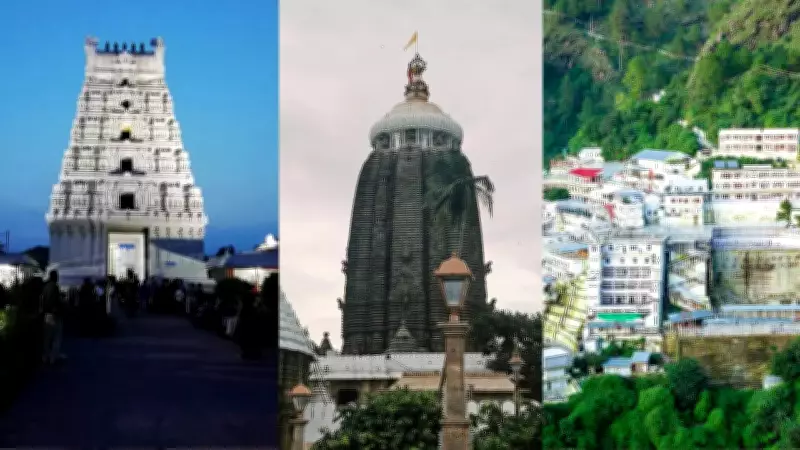
India, a land steeped in spirituality, is home to countless temples that serve as profound repositories of devotion, culture, and charitable traditions. These sacred structures transcend mere places of worship; they stand as artistic masterpieces, showcasing the nation's rich architectural brilliance, cultural depth, and historical heritage. For centuries, temples have nurtured the religious beliefs of communities, shaping regional identities through traditions intrinsically linked to these holy sites. While each temple narrates a distinct tale, a common yet extraordinary thread unites them: the sacred offering known as 'Prasad.' This divine food, blessed by the deities, carries unique stories and significance. Here, we delve into the captivating narratives behind seven temples and their exceptional prasad offerings.
Vaishno Devi, Katra: The Sattvik Bhaints
The revered shrine of Vaishno Devi in Katra, Jammu, attracts millions of devotees annually. The prasad here, known as Bhaints, is a distinctive blend of puffed rice, sugar balls, dried apple, and coconut, accompanied by a silver coin engraved with an image of Vaishno Devi. This offering is distributed by the Shrine Board and embodies a sattvik tradition, emphasizing purity and vegetarianism. Interestingly, this temple has moved away from ancient sacrificial rituals, instead focusing on appeasing the divine feminine energy through these wholesome, blessed foods that symbolize devotion and grace.
Jagannath Temple, Puri: The Miraculous Mahaprasad
At the Jagannath Temple in Puri, the Mahaprasad is revered as 'Anna Brahma,' or food as the divine. Daily, 56 dishes are prepared in massive clay pots over wood fires, yet the food never tastes burnt—a phenomenon attributed to the temple's wooden idols, believed to have been salvaged from the sea. Legends speak of King Indradyumna's pots miraculously multiplying food to serve all castes, promoting divine equality. Historians note that when the steam-cooked food is carried to the deity in earthen pots, no aroma is detectable, but upon being offered and returned, a delicious fragrance permeates, astonishing devotees and signifying the Lord's blessing.

Tirupati Balaji: The Legendary Laddu
The Tirumala Venkateswara Temple in Andhra Pradesh is famed for its world-renowned laddu prasad. Its origins trace back to sage Vyasatirtha, who dreamed of the deity craving sweet balls made from ghee, gram flour, and sugar, leading to their creation and offering. Another tale recounts that Lord Vishnu, indebted to Kubera for his earthly wedding, offered these laddus as installment repayments. Today, each bite of this sacred laddu is believed to dissolve financial woes, embodying both spiritual and material blessings for devotees.
Sabarimala Ayyappa: The Crispy Appam
Kerala's Sabarimala temple offers appam—crispy rice pancakes filled with sweet coconut and jaggery—to the warrior god Ayyappa, born from the union of Shiva and Mohini. Pilgrims undertake a 41-day vow, culminating in the offering of these ghee-fried appams, echoing the deity's forest conquests. Lore suggests these appams sustain without spoiling, providing essential energy for the arduous treks to the temple, symbolizing endurance and divine sustenance.
Ambalapuzha Krishna: The Eternal Palpayasam
At the Ambalapuzha Sri Krishna Temple in Kerala, the milky payasam (rice pudding) has a storied origin from the 17th century. A king dreamed of Krishna, disguised as a poor Brahmin, demanding this dish during a famine. The temple's eternal pot boils continuously, and legend holds that unfinished bowls summon the lord's return, representing divine intervention and eternal grace in times of need.
Madurai Meenakshi: The Symbolic Pottukadalai Halwa
Madurai's Meenakshi Temple serves Kaja halwa, made from black gram, tied to the goddess Meenakshi's victory over a demon fish army. Artisans claim the deity blessed their vats during a drought, and the halwa's melt-in-mouth texture symbolizes divine nectar that dissolves ego, offering devotees a taste of spiritual purification and humility.

Vaitheeswaran Koil: The Healing Panchamirtam
In Tamil Nadu's Vaitheeswaran Koil near Chidambaram, the prasad is panchamirtam—a blend of banana, jaggery, ghee, honey, and cardamom offered to Shiva as a healer. Legend says sage Valmiki cured leprosy here, and the prasad's immortality stems from Shiva's amrit drops, believed to heal devotees eternally, embodying the temple's role as a sanctuary of wellness and divine medicine.
Chinese Kali Mandir, Kolkata: A Fusion of Faith
In Kolkata's Tangra area, the Chinese Kali Mandir exemplifies cultural assimilation and unity by offering Chinese noodles, chop suey, rice, and vegetable dishes as bhog to the goddess. This unique temple, located in Chinatown, showcases acceptance and diversity, making it a must-visit for those seeking a blend of spiritual and culinary traditions.
These seven temples and their prasad offerings highlight India's rich tapestry of faith, where food becomes a medium for storytelling, healing, and community bonding. Each prasad carries not just flavors but profound legends that continue to inspire devotion and cultural pride across generations.